
Germany · taz · · 1d
Bab al-Mandab Strait: Houthis worsen oil crisis
Deutsch (original) · Auto-translated to English
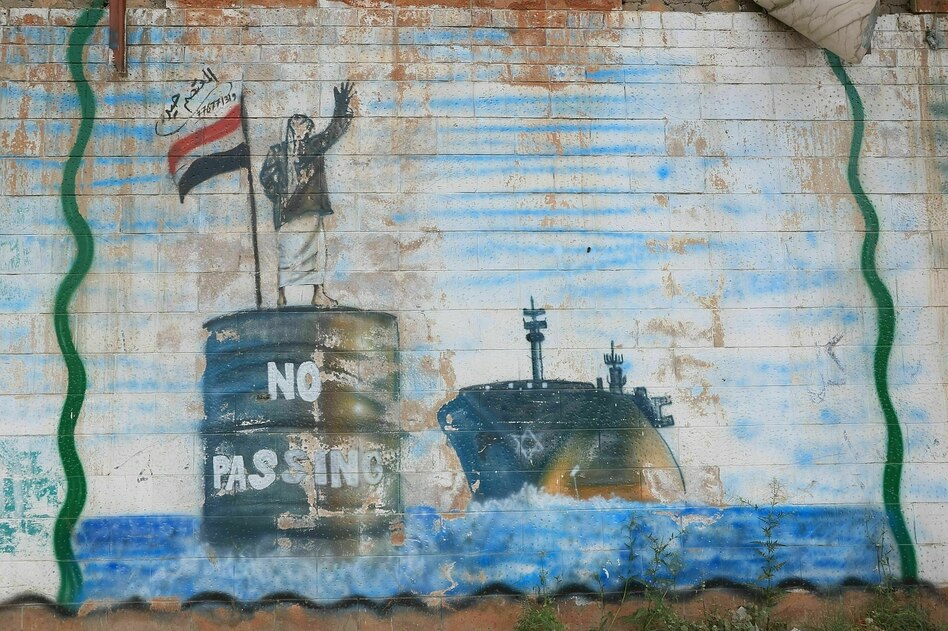
The attacks by the Iran-backed Yemeni Houthi rebels on an important Saudi pipeline and the occupation of the islands on the Bab al-Mandab Strait are causing oil prices worldwide to rise significantly again. The strait, which is important for world trade and connects the Gulf of Aden with the Red Sea, was a bypass of the largely closed Strait of Hormuz in the Persian Gulf that has been expanded since the Iran War.
Even though the oil price fell slightly again on Sunday, it now seems to be stuck above the $100 mark per barrel (159 liters each). The International Energy Agency (IEA) has just revised down its forecast for global oil supply in 2026 by a further 1.4 million barrels per day. It now expects oil supply to collapse by 5.7 million barrels per day as the Gulf recovery will now be delayed until 2027.
The situation has been made worse by the expanding civil war in Yemen: There, the Iran-allied Houthi militia is continuing its advance and intensifying its attacks on Saudi Arabia. Yemeni government forces backed by Riyadh reported attacks on Houthi positions in southwest Yemen on Sunday. Houthi military spokesman Jahja Saree, however, wrote on Sunday on the online service X that the militia had attacked the Sharurah army base in southern Saudi Arabia with drones and missiles.
The Houthis already control large parts of Yemen, including the capital Sanaa. Most recently, the Shiite rebels, who call themselves “Helpers of Allah,” occupied strategically important islands on the Bab al-Mandab and captured the port of Mocha on the Red Sea. As a result, Saudi tankers can no longer safely sail into the Gulf of Aden and thus on to India or China.
The world's largest oil company Saudi Aramco expanded this route after Iran closed the Strait of Hormuz. For this purpose, the East-West pipeline, built in 1982, was increasingly used: While the kingdom had previously supplied the western part of the country with 2 million barrels of crude oil per day from the oil-rich east through this east-west route, since the closure of the Strait of Hormuz, a further 5 million barrels per day have been pumped to the port of Yanbu; for shipping from the Red Sea. Aramco diverted 70 percent of its exports this way.
After attacks over the weekend, operations on the pipeline were suspended. Saudi crude oil supplies had already collapsed to just 6 million barrels per day at the end of August - the lowest level in more than three decades. The IEA sees dramatic consequences: “Oil exports from the Gulf states were around 13 million barrels per day in August – only about half of the pre-war level,” says its latest market report.
Even before the de facto closure of the Red Sea, at least for Saudi tankers, IEA Director Fatih Birol spoke of the “biggest energy security crisis the world has ever experienced”. Iran and its allies now have control of two of the world's most important trade chokepoints. According to energy experts, the burden on the global economy resulting from the disruption to shipping traffic is likely to become even worse.
Rebecca Babin, one of the world's leading oil analysts at investment firm CIBC Private Wealth, said the closure of the Strait of Hormuz was "already an unprecedented supply disruption." “But prices remained surprisingly stable because the market found workarounds – such as rerouting oil through the Red Sea and Bab al-Mandab.”
Now the Bab al-Mandab is also closed, at least for the world's largest oil exporter. And the oil industry is bracing for years of war between the U.S. and Iran, with oil prices expected to remain elevated for longer. In addition, it is not just the high price of crude oil alone that contributes to this, but also freight costs for the transport of crude oil and insurance costs, among other things.
There are only two hopes: The IEA expects global oil consumption to fall by 2.5 million barrels a day this year. And China could potentially curb its thirst for oil even faster than planned, including by reaching its goal of 70 percent electric cars before 2030. In August, 65 percent of the cars sold in the People's Republic were electric.
Bab al-Mandab is 26 kilometers wide and is passed through daily by tankers carrying 6.2 million barrels of oil and refined products (as well as about 80 percent of the liquefied natural gas transported north to Europe). About a quarter of the world's oil and gas supplies came through the Strait of Hormuz without blockages.
Read the full story at the source
Source: taz