
Climate taz
Abuse of power in hospitals: A climate of fear and silence
The statistics on abuse of power and sexual harassment in hospitals are shocking. A round table should bring about change. more...
Deutsch (original) ·Auto-translated to English
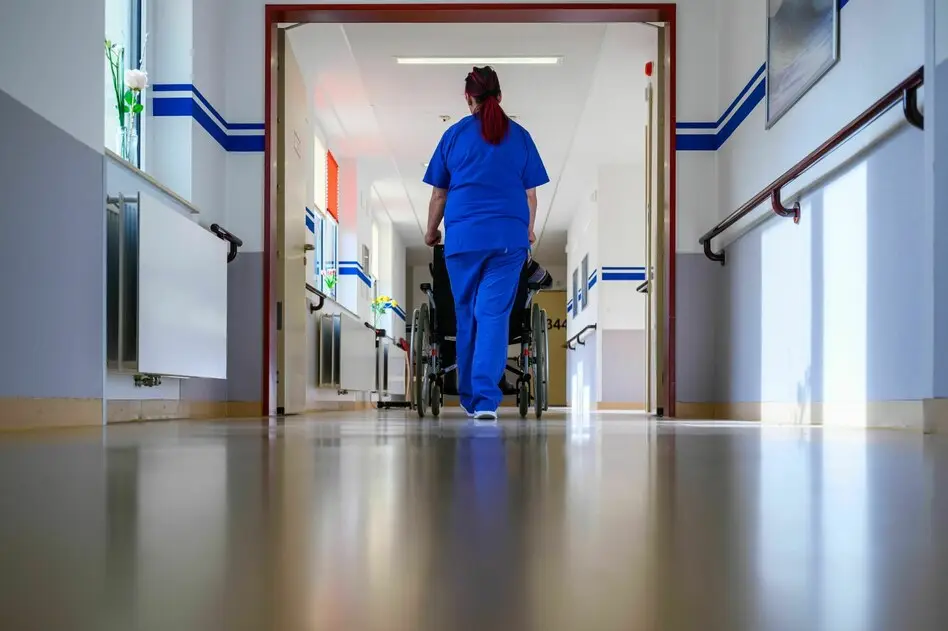
A doctor reports: “A superior asked me to have the conversation sitting on his lap so that he could concentrate better”: Afterwards he dismissed the whole thing as “just a joke”. Superiors who touch breasts, make lewd comments, humiliate others in the presence of other colleagues: Doctors describe a whole series of such events in a survey by the Marburger Bund doctors' union about abuse of power and sexual harassment in hospitals. A round table should now bring about change. Leading organizations in the German clinical landscape are taking part in this.
Figures from the survey that the Marburger Bund published in the spring are frightening. Almost half of the more than 9,000 respondents said they had experienced abuse of power by primarily male superiors in the previous twelve months, a good half of them several times, 14 percent even weekly. The most common forms of abuse of power included a condescending tone, groundless questioning of competence, and public shaming.
More than one in ten of the people surveyed also reported sexual harassment within the past twelve months - three quarters of those affected, almost all of them female, even reported it several times. These are not unfortunate individual cases, but rather a structural problem, said Susanne Johna, chairwoman of the Marburger Bund, at the presentation of the round table on Wednesday.
What is particularly alarming is that 74 percent of those affected by abuse of power did not report the incidents. In the case of sexual harassment, the figure is as high as 84 percent. Those affected do not trust the complaint system and do not expect consequences for those responsible, but do expect consequences for themselves. In the strict hierarchy of hospitals, young doctors are dependent on the intercession of their superiors.
The survey of hospital doctors was the largest of its kind to date. But the dimensions of the abuse of power in hospitals are likely to be even greater. There are currently no comparable surveys for nursing staff. Christine Denk, Managing Director of the German Nursing Council, emphasized that trainees or nursing staff recruited from abroad are among the most vulnerable groups. The Nursing Council therefore also takes part in the round table.
With the German Hospital Association and other hospital associations, the management levels are also part of the round table. “We have not paid enough attention to the issue in the past,” admitted Gerald Gaß, CEO of the German Hospital Association. Apparently, younger colleagues in particular are no longer willing to accept traditional hierarchies. At the German Doctors' Day in Hanover in May, medical students also reported harassment that they had experienced themselves at the congress.
The current climate of silence and fear also has consequences for patients, emphasized Denk from the Nursing Council and Johna from the Marburger Bund. If, for example, a young doctor or nurse doesn't dare to say that the senior doctor forgot to disinfect his hands before treating a wound, this could have serious consequences.
The round table met for the first time on Wednesday; those involved had already formulated a mission statement. The aim is to take concrete measures to raise awareness among employees in clinics and to improve the options for making complaints. “We want to be asked in a year what has changed and then have answers,” promised Gaß.