
Germany · taz · · 2h
Oil price above $100: Alternative routes, less demand
Deutsch (original) · Auto-translated to English
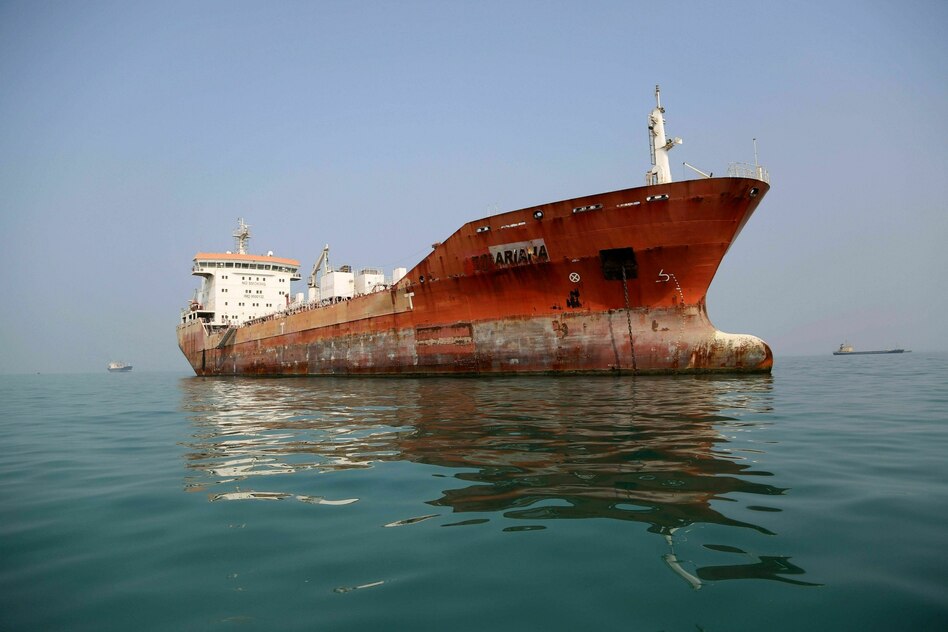
The war in the Middle East continues to drive up energy prices: Brent crude oil from the North Sea cost more than $100 per barrel (159 liters) on Wednesday for the first time since July. The escalating conflict between the USA and Iran is fueling concerns about delivery failures on the stock exchanges. However, the rise in oil prices is more gradual and not as explosive as perhaps expected. The Brent price is still a long way from its annual high of $126, which was reached in April. There are several reasons for this.
Despite the war, significant amounts of oil from the Middle East continue to flow onto the world market. In the past few days, around 9 million barrels of crude oil and another million barrels of oil products have been exported from there every day, says Russell Hardy, head of the world's largest independent oil trader Vitol. Although this is significantly less than the around 20 million barrels before the start of the war, it shows that deliveries have not come to a standstill. Gulf producers have also found alternative routes to bypass the largely blocked Hormuz waterway, with exports via the Egyptian port of Sidi Kerir in August increasing to more than double their June volume.
Part of the shortfall will be offset by countries outside OPEC. The USA, Canada and the South American Republic of Guyana will increase their production by a combined 1.4 million barrels per day this year, says Jarand Rystad, founder of Rystad Energy. Russian crude oil exports also remained stable in July and August at around 5.5 million barrels per day, 23 percent above the February level. This is also because Russian refineries can process less oil after Ukrainian attacks and more crude oil is available for export.
Another important factor is the significant loss of demand. According to Rystad, this amounts to 3.5 million barrels per day in the third quarter. China accounts for more than half of this. The world's largest oil importer cut its sea imports to 7 million barrels a day in July and August, compared to more than 11 million in February. The reasons for this are the increasing electrification of transport and the use of coal to produce chemicals. At the same time, Beijing has huge oil reserves, estimated by the analysis firm Kpler at 1.17 billion barrels.
At the same time, prices for oil that can be delivered at short notice on the spot market have risen and have reached their highest level since April. “What this shows us at the moment is that the situation on the physical market is incredibly tense,” says David Fyfe, chief economist at Argus. “More importantly, there are signs of a shortage in the diesel market.” The latest escalation between the US and Iran is likely to hit exports from the Gulf region, while demand is rising as refiners ramp up diesel production - the price of the fuel has hit a record high in the US. And in Germany, too, prices at German gas stations have continued to rise significantly in the past few days. The ADAC announced on Wednesday that a liter of Super E10 currently costs 2.259 euros on average nationwide, 7.6 cents more than the previous week. Diesel rose in price by almost 9 cents to 2.321 euros per liter. (Reuters/AFP)
Read the full story at the source →
Source: taz