
Germany taz
Head of the European Central Bank: Christine Lagarde quits early
The head of the ECB is giving politicians time to arrange their successor - there is great concern about right-wing populists. The chance for Germany? more...
Deutsch (original) ·Auto-translated to English
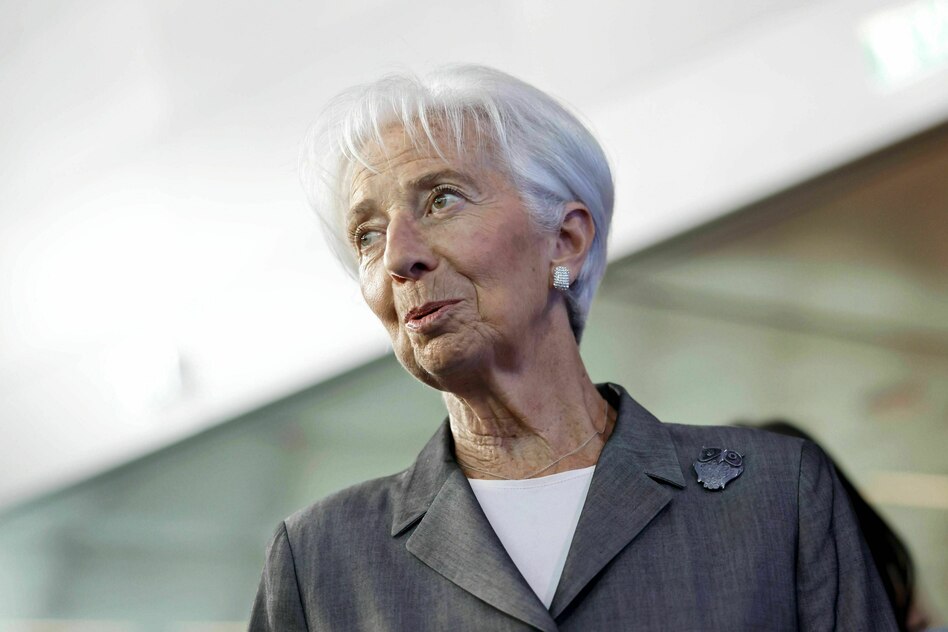
dpa | Christine Lagarde steps down early as President of the European Central Bank. The Frenchwoman will give up her post on February 7, 2027, as the ECB announced in Frankfurt. Lagarde informed the ECB Council and the President of the European Council, António Costa, about this. Lagarde's eight-year term in office would normally have run until the end of October 2027.
The heads of state and government of the 21 euro states are now called upon to regulate the Frenchwoman's successor earlier. Lagarde's departure will enable outgoing French President Emmanuel Macron and Chancellor Friedrich Merz (CDU) to clarify the replacement of one of the most important top positions in Europe before the election in France.
Lagarde's resignation does not come as a surprise; there have been rumors of an early departure for a long time. As early as February 2026, the Financial Times reported that Lagarde wanted to withdraw before the presidential election in France in April 2027. The background is concerns that Euro-critical right-wing populists led by Marine Le Pen could win the elections in the second largest euro economy, which could make it more difficult to fill the top of the ECB. Macron is not allowed to run again in the presidential election. In an interview in September, Lagarde confirmed for the first time that she was considering leaving the ECB “a few months” earlier.
Bundesbank President Joachim Nagel also came into play as Lagarde's successor. Europe's largest economy, Germany, has never headed the ECB in the central bank's more than 25-year history.
The favorites to succeed Lagarde are the former Dutch central bank chief Klaas Knot and the Spaniard Pablo Hernández de Cos, who is head of the Bank for International Settlements (BIS). ECB Director Isabel Schnabel, who also expressed interest in succeeding Lagarde, will move to the International Monetary Fund (IMF) in Washington at the beginning of January 2027.
This means that Schnabel's position on the six-member ECB Executive Board will soon become vacant. From June 2027, the central bank will also need a new chief economist because then the term of office of owner Philip R. Lane will end. It is likely that a whole personnel package will be negotiated at European level. Vice Chancellor Lars Klingbeil recently emphasized the demands of the federal government: Of course, Germany will continue to play a role in the ECB's board of directors, said the SPD politician on the sidelines of the IMF annual meeting in Bangkok.
The biggest obstacle to a German at the top of the ECB is that the European Commission is already led by a German: Ursula von der Leyen. Two Germans at the head of such important institutions in Europe – that would be difficult to convey in the personnel poker in Brussels.