
Germany taz
Suffering caused by the sending of children: All providers say sorry, but no one takes responsibility
Over 10 million children were sent to a spa after 1949 and were often mistreated there. A final report is now available in NRW. more...
Deutsch (original) ·Auto-translated to English
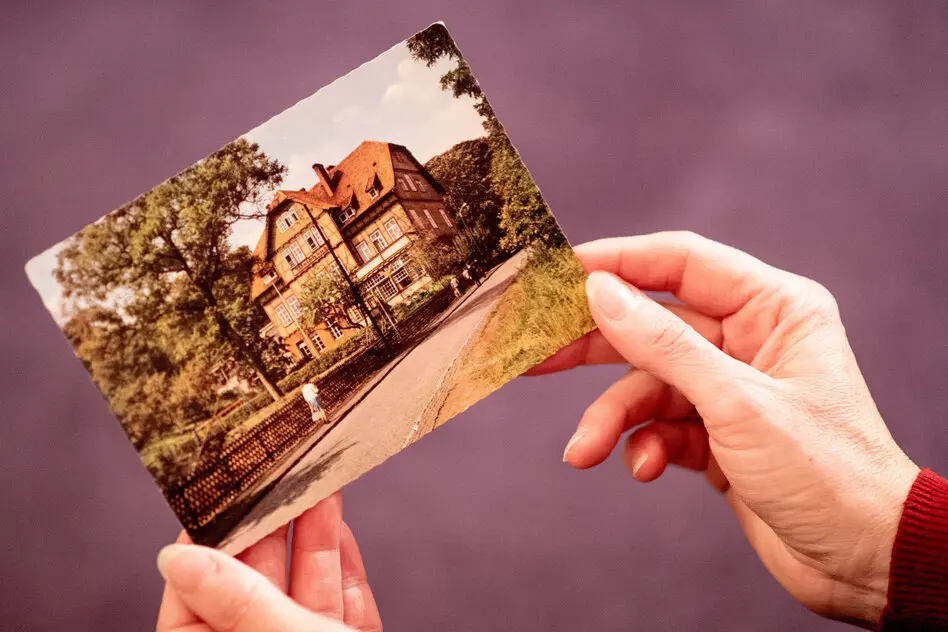
The issue was hushed up in public for a long time: millions of so-called deportation children who were sent to health resorts to be nursed up from the post-war period until the 1990s suffered systematic humiliation, violence and abuse of power instead of care and relaxation. The process of coming to terms with it only began a few years ago, after those affected had campaigned for it.
This is what happened in 2021, when the Düsseldorf state parliament, after hearing from those affected, decided to address the phenomenon of child deportation. From North Rhine-Westphalia alone, an estimated 2.1 million children were “sent away” in the post-war period: to convalescent and children’s health homes that were far away from their hometowns and where they spent six weeks separated from their families.
There are said to have been at least 10 million nationwide. The educational regime was often strict, if not abusive, and caused psychological damage from which those affected still suffer today. It was only in 2019 that those affected began to organize themselves and make the issue public. The final report expressly acknowledges that the reappraisal was carried out by them.
Based on the state parliament's resolution, the NRW Children's Sending Round Table was created in 2023 on behalf of Labor, Health and Social Affairs Minister Karl-Josef Laumann (CDU). In addition to two of those affected, representatives of the responsible institutions and facilities sat here - and there were many: municipal, church, independent and social providers, but also health insurance companies, pension insurance and the medical profession were involved in the child deportation system.
In the final report, all institutions involved in the round table apologize to the former deportation children for the “suffering and injustice” they experienced; There are no concrete commitments for further research, networking and possible therapeutic offers.
“There was a tough struggle over the apology sentence,” says Detlef Lichtrauter, 65, chairman of the Association for the Processing of Child Deportations NRW, to the taz on the phone. Lichtrauter sat at the round table as a representative of those affected for three and a half years. Some institutions were probably afraid that they could be used for compensation, he says.
But there are no concrete financial compensation claims at all: "It's not about compensation, it's about coming to terms with it. And we're just at the beginning," explains Lichtrauter. "We have started with our citizen science project to build a digital contemporary witness archive. In order to expand this further and to network those affected with one another, we need money and staff." He asked the sponsoring organizations of the group three times: “What concrete support can you imagine? - And three times there was an icy silence.”
After all, Lichtrauter is satisfied, a moratorium was enshrined in the final report that existing sources such as files from the former sponsors may not be destroyed. As part of the round table, state archivists provided information and discussions about this at a specialist conference. They offer advice to those affected because processing is often complicated: there are blocking periods, data protection and many individual files have been destroyed or disappeared.
But there are always accidental discoveries, such as recently in the old district of Geldern, where 3,500 complete case files turned up. This is also good for research: the University of Duisburg-Essen is currently working on its first doctorate on the subject of child deportation, with a focus on North Rhine-Westphalia.
Lichtrauter's Association for the Processing of Children's Deportations NRW looks after the citizen science project, i.e. it carries out citizen research, which is responsible for a contemporary witness portal where those affected can tell their story anonymously or personally. It contains 723 reports so far and an interactive map of the homes. Funding for the project from the state of North Rhine-Westphalia is secured until the end of 2028. “We need long-term support and structure,” says Lichtrauter, “many of those affected want, for example, memorial sites or places.”
This requires more than recognition or regret, it requires action and financial commitment from providers or communities. "The state of North Rhine-Westphalia has made its contribution," says Detlef Lichtrauter, "but the sponsoring organizations are shirking their responsibility. Ultimately, an apology is not enough."
The state of North Rhine-Westphalia is further along with the issue of children being sent away than the federal level. In his closing speech, Minister Laumann pointed out that it was not enough for North Rhine-Westphalia alone to promote the process. After all, the topic is anchored in the federal government's coalition agreement. But the matter remains dormant in the Family Ministry. No money, they say. The federal initiative Verchickungsheime.de was warmly welcomed in October, but sent home without any promises.