
Germany · taz · · 3h
Daycare centers and co after the hot summer: social cold is becoming a hot topic
Deutsch (original) · Auto-translated to English
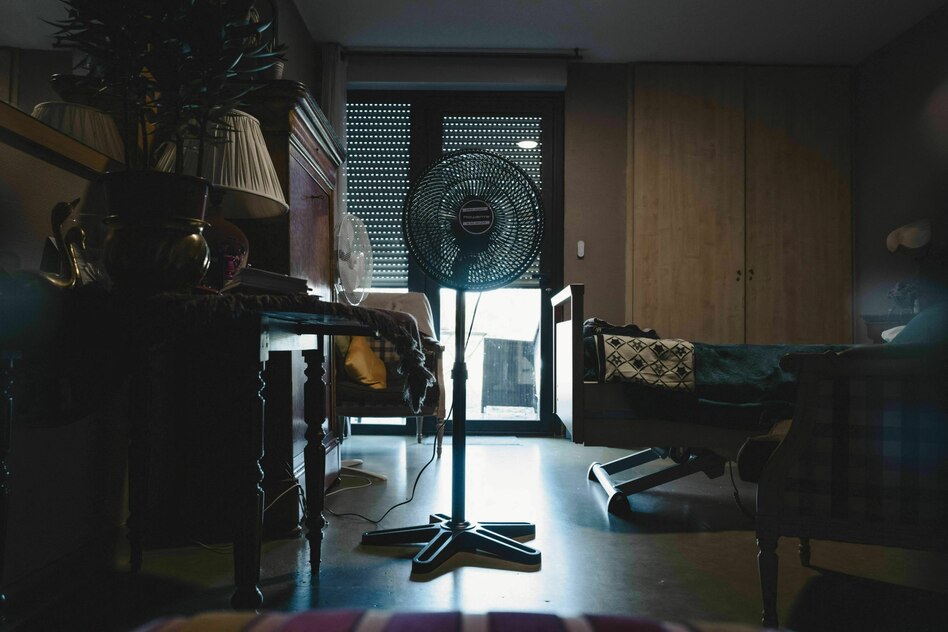
For example, it got hot in the children's homes. Julia Köster is the managing director of a provider that runs several residential groups in East Frisia. Some of the houses rented for this purpose are state-of-the-art, others are from the 1980s. “After several tropical nights in a row, you can no longer expect anyone to sleep in a room under an uninsulated roof,” she says. “Then we’ll have a sleepover in the living room.”
After such hot periods there are sometimes discussions with parents: they would rightly expect that their children will do well in the home. The authorities finally took the children away from their families on the grounds that they were not doing well there.
Köster discussed such experiences with staff from other social institutions in a video conference organized by the Paritätischer Wohlfahrtsverband on Wednesday. The “Heat Hearing” follows a survey by the association: After the record temperatures at the end of June, it asked 2,900 facilities across Germany about their problems in the climate crisis.
According to its managing director Katja Kipping, the answer is already helping the Paritätische in lobby discussions with politicians: The descriptions were close. “The survey gives the topic another level of authority,” says Kipping.
The range of challenges becomes clear in the exchange between those affected on Wednesday. This is what a daycare center manager says about 34 degrees in the bedroom. "You can imagine how the crèche children sleep. They only have diapers on and are still sweating endlessly. They're exhausted."
A Lebenshilfe employee talks about the facility's offer to children to go to the outdoor pool. “But even the 20-minute walk there is actually too much.” The alternative: put on a movie and give out popcorn – “so they don’t move around so much”.
The managing director of a counseling center for women who are victims of violence reports more domestic violence and correspondingly more work this summer. In the heat, the counselors find it difficult to stay focused during conversations. The temperatures also put additional strain on the clients. For people with post-traumatic stress disorder, for example, stressful situations could trigger severe symptoms. If several fans are running in the consultation room and making noise, that could be one deciding factor.
The solutions proposed by the institutions are just as broad as the problems. It's always about structural measures such as insulation, shading or air conditioning. Some want corresponding obligations for landlords, others want more public funding for renovations - or easier access to existing funding sources, which have so far been associated with too much bureaucracy.
But even with renovations, not everything will be fine. The manager of a nursing home tells how his facility used its own resources to finance the installation of air conditioning systems three years ago. The stress was previously great: in the heat it happened that employees “literally fell over”.
Today the situation is better. However, the residents are “sometimes confused” and cannot use the technology properly. Extensive training was required for the staff. The home manager's conclusion: "Our air conditioning is a real asset. But also a challenge."
Read the full story at the source →
Source: taz