
Germany taz
AI initiative at the World Climate Conference: When AI warns of forest fires
Is AI a threat to the climate or can it also be a means of salvation? In Antalya, hope and worry go hand in hand. more...
Deutsch (original) ·Auto-translated to English
An AI-supported platform with which countries can better predict their climate risks and improve protection against them - for this development, the Tanzanian programmer Upendo Ernest Lyimo received this year's AI for Climate Action Award at the World Climate Conference in Antalya, Turkey. The award is given to open source projects that use artificial intelligence (AI) to help combat and adapt to the climate crisis.
Overall, it looks more like AI is significantly driving forward the climate crisis rather than contributing to its containment. UN climate chief Simon Stiell described AI and other future technologies as a “double-edged sword” at the conference. “We are at a technological inflection point that holds both great potential and great danger,” he said on Monday.
The main drivers of resource consumption are data centers with capacity for training and using large language models. These models are the basis for common AI chatbots. The centers not only consume a lot of electricity, which is often generated from fossil sources and causes corresponding emissions. It's also about water, which is used at various stages from hardware manufacturing to cooling.
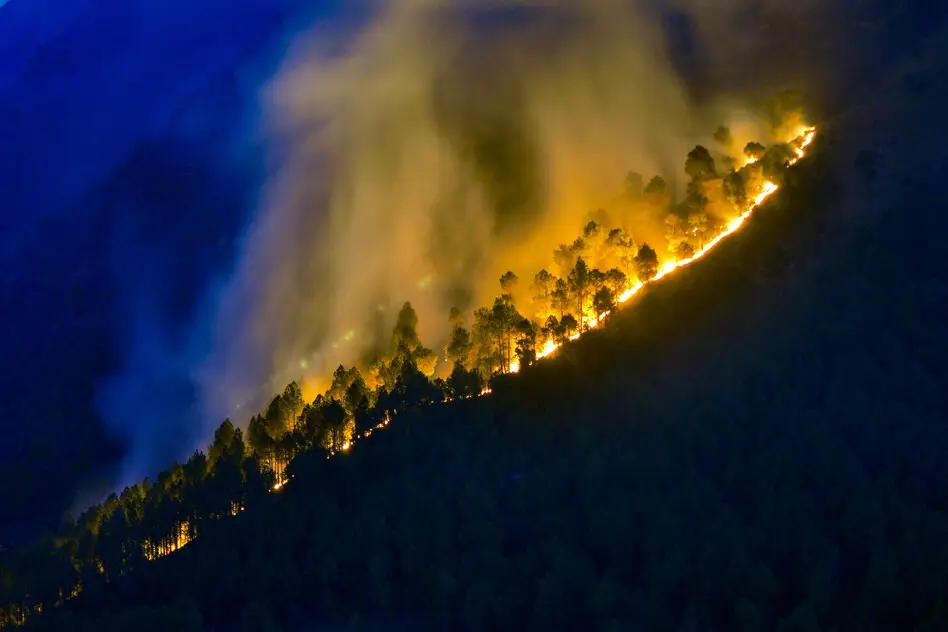
At the same time, AI offers new possibilities. The Climaid platform developed by Upendo Ernest Lyimo is an example of this. Her goal is to help “translate climate data into adaptation measures, across Africa and beyond,” explained the programmer at the award ceremony. Other participants in the competition had, among other things, developed an AI-supported prediction system for forest fires and an AI program that is intended to help plan reforestation projects.
On Friday, the Global Initiative for Information Integrity on Climate Change launched an initiative at the conference that aims to make information provided by AI chatbots more fact-based. Because at the moment the information about the climate provided by the bots is anything but reliable. A report presented on Monday shows that the tested chatbots answered 90 percent of the questions correctly in the first step. But if users question the scientific findings, the chatbot quickly abandons the scientific basis.
“It is worrying that models have a design flaw: they are designed to agree with their users and are all too ready to deny facts,” criticized Leona Verdadero from UNESCO and lead author of the report. But AI also has “extraordinary potential to make complex climate science findings accessible to everyone.” However, users must be able to rely on AI chatbots to provide reliable scientific findings.