
Germany taz
Kerstin Preiwuss “All of us”: We all find ourselves crying more and more often
The disillusionments are overwhelming: Kerstin Preiwuß faces the end of the world with disarming desolation. more...
Deutsch (original) ·Auto-translated to English
Pawn and precious metal shops are opening everywhere, and people are scouring drawers and battlefields for something they can use. A symptom of crisis. Kerstin Preiwuß couldn't have chosen a better location than a pawn shop for her novel “We All,” which hits at the heart of the present. Hers is in Leipzig, and a woman named Sonja is the sole ruler of it. She is one of four central characters in this novel; There is also a first-person narrator.
In a first all-rounder, the author introduces her staff and zooms in on them one by one. The presentness of what is being told is also reflected in the prevailing heat; it smells of fire and apocalypse. The loneliness of the characters acts like an accelerant.
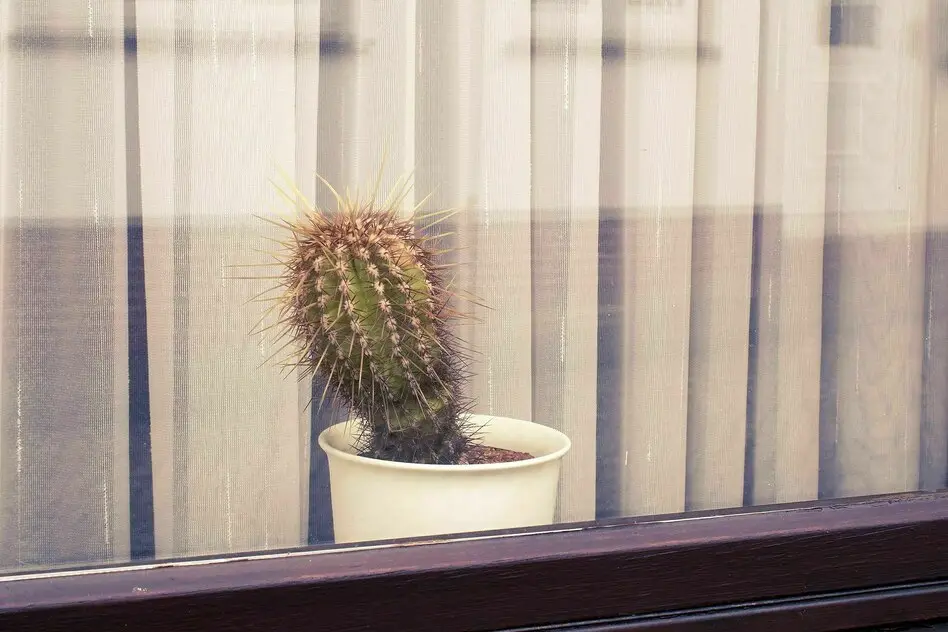
Stickleback is the name of the somewhat dapper bower-dweller who keeps himself alive by collecting deposits and blasting fish. Opposite him, “the chief” acts according to his name, a strategic thinker from the West whose theoretical talk confuses everyone. Vivian, on the other hand, is a young woman who carries her dead mother around as a diamond ring and who sometimes reaches into a cactus to feel herself.
Kerstin Preiwuß: “All of us”. Berlin Verlag, Berlin 2026, 236 pages, 25 euros
Everything left behind? In any case, they are not among the “We are the people” screamers. Nevertheless, they stumble and, in the manner of the Bremen Town Musicians, tell themselves: “You can find something better than death everywhere.” Beneath it, the almost inaudible thumping sound of “We can do it” sounds.
In her book of poems “Rodeo,” which was published at the same time, a wild ride about the end times, Preiwuß writes the programmatic sentence: “The main thing was that you lived.” In her previous book from 2023, “Today is the Middle of the Night,” her own feelings and fears reflected the findings of society as a whole.
Dolls and stories serve as effective substitutes for children. Similar to Heike Geißler in her novel “The Week” from 2022, which is also set in Leipzig, a mixture of suada, sociogram and contemporary diagnosis presented in “we” form, in “We All” the general overtaxing of people, systems and bridges hits the catastrophes of the present: war, climate change and the whole damned rest.
In the novel it says: “Nothing is safe anymore” and “Everyone is overcome with crying more and more often”. The first-person narrator turns out to be a language-conscious Cassandra who reads the future to us like Levites. In short: Kerstin Preiwuß faces the end of the world with disarming desolation.
You can tell from her prose that she also writes poetry. It manifests itself in hypersensitivity and irritability towards words. Preiwuß works with enumerations and lists, with new creations and blank spaces, tells between the lines and always gets to the point very succinctly. Your characters not only meet each other, but also band together like in a fairy tale.
In the style of the combative slogan “Form gangs”, they try it together. For utopian reasons this is definitely to be welcomed, but from a narrative point of view it drifts alarmingly into the sweetish side. When the four of them get into a dystopian traffic jam together in a car and drones stare out of the sky, things go in the wrong direction.
At first you think of the crazy traffic jam from Godard's film "Weekend", but here it turns out to be a more comfortable "Together you are less alone" and tastes like light cinema entertainment. Towards the end, the novel gets back on track with a clever ending that fortunately doesn't offer a way out. Preiwuß compensates for dramaturgical weaknesses with a whispering urgency, with the characters' soliloquies towering above the punchline-driven dialogues.
Either way: “All of us” tells a compelling and witty story about spiraling disillusions and darkening future prospects. Preiwuß contrasts the gloomy view of dark Germany with the bright side of the world. But beneath the pavement there is no longer a beach that beckons, but rather glowing lava. Or rather: what's left of it.