
Germany taz
Teen Drinking: Contains alcohol
Whether alcopops or schnapps: our columnist knows that drinking is always about a piece of identity. more...
Deutsch (original) ·Auto-translated to English
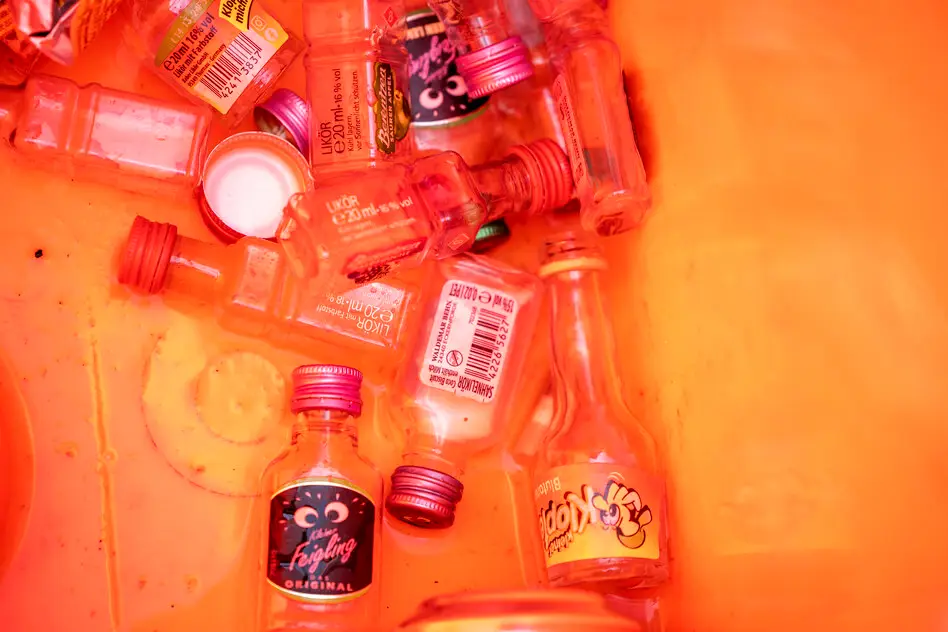
There have been two pallets of Korn-Cola in cans in the local supermarket since the beginning of October. Most of it is still shrink-wrapped, and even though I've almost grabbed it two or three times, it's just not getting any less. That doesn't surprise me, but it does make me a little sad. Even as I write this, I realize that I'm about to drive out again to buy a container of the presumably disgusting drink before it's listed and forgotten forever in November.
I don't want to make a big deal about it, but I also don't want to hide the fact that I have some right to be considered the inventor of this product. No, not Korn-Cola, but specifically the finished mix in cans. When the alcopop debate started at the beginning of the millennium - older people will remember - I said publicly and in front of witnesses: "You don't put Korn-Cola in cans and think that someone will buy it." But as they say: The prophet counts for little in his own country - and nowhere is that more true than up here in the northwest, where the grain and the stubbornness come from.
But perhaps we first have to explain to outsiders what the problem is. Korn-Cola is not just one unappetizing thing among many, not some inexpensive adolescent lubricant, but a piece of identity - which one tries to leave behind as quickly and emphatically as one becomes human after the age of 20.
This text first appeared in wochentaz, our weekly newspaper from the left!
Every week, wochentaz is about the world as it is – and as it could be. A left-wing weekly newspaper with a voice, attitude and the special taz view of the world. New every Saturday at the kiosk and of course by subscription.
But before that, things were going well. At shooting and fire brigade festivals, Korn-Cola was the logical consequence of beer, sometimes flanked by the more cosmopolitan Vodka-O. The Bacardi, which promised Caribbean nights, was available in richer neighboring communities, but even there only later. Making Korn with Cola digestible was a trick to at least simulate the maturity and edginess of adults. At least to yourself. And not just any adults, but this particular breed of people who (no matter where you met them) always seemed to be knee-deep in peat, with a pipe in their mouth and a frayed roll of rope on their belt. An idea of father that none of us (fortunately) had.
My real father never drank grain, but he bought some every other year. To get the round full again. Since we moved from the real country to the settlement, he got four bottles every year for his birthday: one from each neighbor, namely the good stuff in the clay bottle. He opened one and distributed half of it to the givers right at the door. So he kept three full bottles for the birthdays of three of the four neighbors. And for the visit to the door next year, you still had the opened bottle from last year.
This gift economy was only broken many years later, when my friend Ronald and I secretly drank up my father's gifts one evening. With Cola, of course. And it is also this time that, for good reasons, we don't want to talk about much here, but which comes back to you in a double sense when you stand in front of that mountain of cans in the supermarket. That was all a long time ago, and despite rumors to the contrary, things weren't better back then. You know that and yet you begin to doubt it.
“In a certain sense, life is becoming less dangerous,” wrote Norbert Elias in 1939 in “On the Process of Civilization” – “but also less affected or listless.” And that's why it's almost a bit of a shame that no one buys these cans.