
Politics taz
Higher electricity costs: Government leaves households cold
Existing customers of electricity suppliers are systematically disadvantaged. The Federal Ministry of Economics does not want to do anything about it. more...
Deutsch (original) ·Auto-translated to English
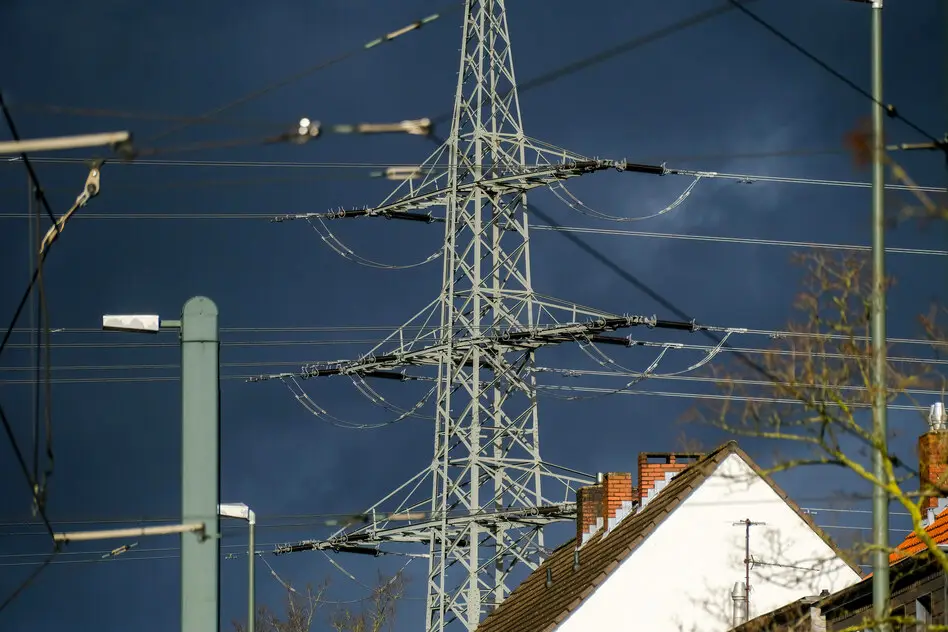
Energy companies systematically charge higher prices to existing customers than to new ones. Because they pass on falling procurement costs to new customers, but not to others. While governments in other European countries ensure that companies have to pass on falling purchase prices to existing customers in a timely manner, the federal government sees no need for action here. This emerges from the response of the Federal Ministry of Economics to a small question from the Greens.
A lot of money is involved: According to a study by RWTH Aachen, the price premium for existing customers is around 47 percent compared to the cheapest new tariff. That's an average of 13 cents per kilowatt hour. According to the study, the nationwide savings potential by switching to the cheapest provider is 11 billion euros per year. But many consumers do not take advantage of switching options, for example due to lack of knowledge, convenience or because they fear difficulties. During the energy price crisis in 2022, particularly cheap providers stopped their deliveries and customers had massive problems finding new suppliers at reasonable prices.
In other countries, governments have responded to the phenomenon of “loyalty punishment” for existing customers. In Austria, for example, electricity providers are obliged to pass on falling procurement costs to consumers with unlimited contracts within six months. Great Britain goes even further: Here the regulatory authority Ofgem sets price caps for standard tariffs every three months. In Italy, the regulatory authority operates the free comparison portal “Portale Offerte” for all electricity offers.
There are no such instruments to protect consumers in Germany. And the federal government doesn't want to change anything about that, as can be seen from the answer to the small question from Bundestag member Michael Kellner and other Green parliamentarians. The responsible authority in Germany is the Federal Network Agency. “The federal government considers the existing options available to the Federal Network Agency to be sufficient,” says the response from the Ministry of Economic Affairs led by Katherina Reiche (CDU).
The ministry has no objection to the different prices for existing and new customers. “The fundamental ability of energy suppliers to offer particularly attractive conditions only for new customers promotes consumers’ willingness to switch and thus competition overall and dampens the average price level on the affected market,” says the answer. Changing providers is usually possible without any problems.
The Ministry of Economic Affairs also objects to companies having to show their sales margin - the amount that remains after deducting purchasing costs - on their electricity bills. “Margins are part of the price calculation and are among the business secrets that companies have a legitimate interest in keeping secret,” said the ministry.
It also does not want to expand the information requirements for electricity suppliers. Telecommunications providers, for example, have to inform customers about the cheapest tariff once a year. A public price comparison portal like in Italy doesn't want it either.
The Greens criticize the government's passive attitude. “As long as we are still dependent on fossil gas, the increased prices for gas will soon have an impact on electricity prices,” says Kellner, who was State Secretary for Economic Affairs in the traffic light government. This makes consumer protection even more important. “It’s a shame that the federal government shows zero motivation for affordability and consumer protection.”