
Germany taz
Halloween: The sheer horror
Scars, bumps and scabs are not a party look. Think of something more original for Halloween. People with skin conditions will thank you. more...
Deutsch (original) ·Auto-translated to English
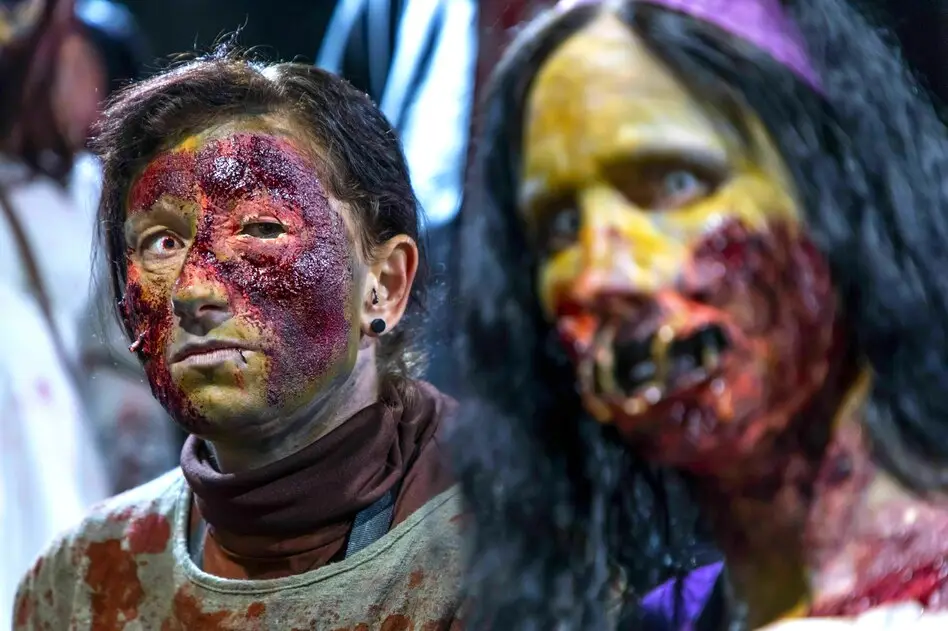
Friday evening, I rush through DM. We need detergent, toothpaste, toilet paper. But in the cosmetics department I am struck by horror. Halloween items are lined up between makeup mirrors and lipsticks. Scars, bumps, scabs. “Creepy Wounds – Bumps & Tumors”, six pieces, 14.95 euros. On the packs there were models who had their faces painted with something I couldn't wash off when I was younger. Next to it is a small reddish-brown bottle: “Scab”.
As a person with neurodermatitis, I learned early on what it was like to walk through the city center with sores on my face. I was often given uninvited advice and sometimes insulted. After an interview at a local newspaper, I was told that I was unfortunately not suitable for the job. I would look like a “drug addict”. And there has to be “a little bit of representation”.
Around Halloween, uncertain looks were added. On a city bus, a group of students stared at me. First scared, then amused.
At the time, it felt like I was alone in my experiences. But that's not me. People with visible skin changes such as scars or burns are stared at, not served, not hired. In a survey by the British organization Changing Faces, 81 percent said they had been stared at, commented on or approached by strangers. In a German survey from 2017, one in five people surveyed did not want to go swimming with people with psoriasis. According to a US study, faces with scars were rated as less honest, less intelligent and less trustworthy than without. And those who disclose facial abnormalities in their application are less likely to end up in an interview.
Drugstores and cosmetic brands sell young people the promise of flawless skin 365 days a year. A target group that is particularly often affected by acne and other visible skin diseases. And for three weeks a year she gets wounds on top of that as a party look?
Great Britain shows that things can be done differently. There, the beauty chain Sephora and Face Equality International called for people to avoid wearing make-up scars for Halloween. The campaign is called “Fear No Face”, in German “Fear No Face”. Their goal: to dissolve the ancient connection between scars and villains.
Because there is a projection in the scab zombie. People with visible skin lesions are branded as callous, contagious and dangerous. In fact, these people experience the insensitivity of majority society in everyday life.
I wish we were dangerous. And contagious. We should raid the drugstores. Splatter their fake blood, bite those responsible in the head. But that probably won't work. Unfortunately.
Scars on the face do not make you hard and dangerous. They made me vulnerable, vulnerable, tender. But perhaps we can also initiate something with sensitivity. Face Equality International advises that when choosing a costume, make sure that there are no disabilities, no visible skin changes, and no wheelchairs are used as props.
So dress up as unicorns! As a swamp monster! As aliens! There are endless characters that you won't meet on the bus or on the street. Making masks out of people is sheer horror.Max Balzer