
Germany · taz · · 2h
Health care for the homeless: La Torre's legacy lives on in Berlin
Deutsch (original) · Auto-translated to English
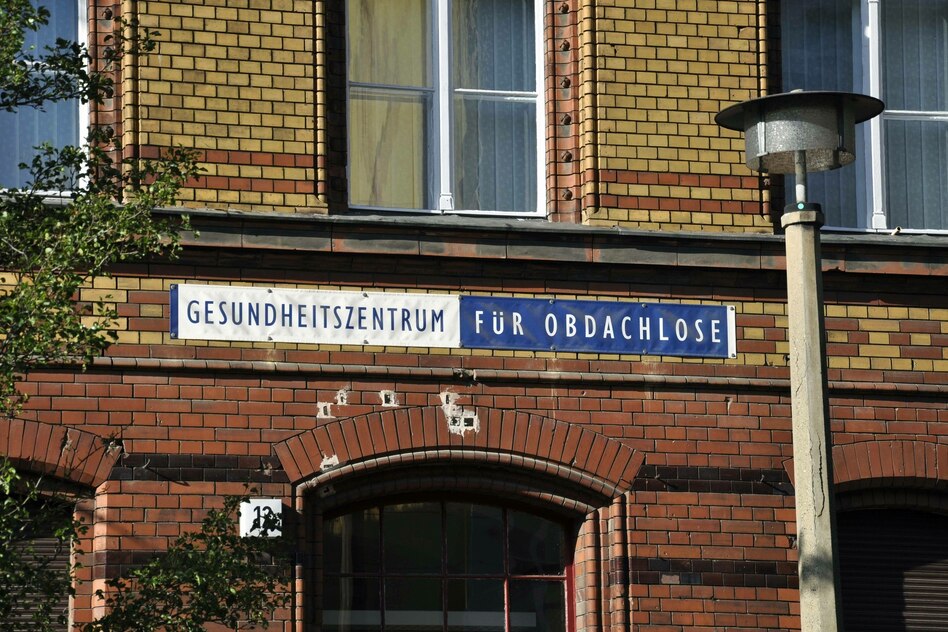
There is a large picture hanging in the foyer of the brick building. Jenny De la Torre, the homeless doctor, can be seen in a white coat. From there you go to the medical treatment rooms. The kitchen, dining room and wardrobe are on the first floor above. The rooms in which social and legal consultations take place are upstairs again.
The health center for homeless people has existed on Pflugstrasse in Mitte for 20 years. The Peruvian-German doctor Jenny De la Torre founded the foundation of the same name from which the center emerged. De la Torre became known through her work as a homeless doctor at Ostbahnhof, where she began treating those in need without health insurance in the early 1990s. De la Torre died last year at the age of 71.
Her legacy lives on. You could see this for yourself on Wednesday at an open day. Around 60,000 examinations and consultations have taken place at the center in the 20 years. Around 2,900 dental treatments were carried out and around 116,000 meals were served. “Our patients are on the streets day and night at any time of the year,” said senior doctor Christoph Biella, describing the clientele. Homeless people have a significantly lower life expectancy, “they die 15 to 20 years earlier than the normal population”.
The health center is financed almost exclusively through donations and is supported by a team of permanent and mostly volunteer employees. The annual costs amount to up to 500,000 euros, said foundation chairwoman Ludmilla Baumgärtner. Many donations are legacies. There is no need to worry about funding, Biella confirmed, “but we need more health centers like this.”
Around 7,000 people live on the streets in Berlin, said Janine Räthke from the Paritätischer Wohlfahrtsverband on Wednesday, and around 57,000 more are housed in accommodation. Many of the facilities could only exist because many people worked there on a voluntary basis. Räthke appealed to those responsible for politics to create sustainable structures and to finance the offers on a long-term basis.
And the name De La Torre kept coming up. She was an extraordinary companion. “Your determination and your warmth are our mission,” said Baumgärtner with tears in his eyes.
Next to the front door it says: “This is a violence-free house.” A sign with a red border indicates that alcohol is prohibited. The clothing closet is well stocked. However, shoes 43 to 46 are currently in short supply, says the responsible employee.
Those affected themselves will not be on site this afternoon. But they wrote down their problems and wishes for the open day on small pieces of paper in the garden. “Don’t avoid me,” it says. Or: “A place to sit without being chased away.” And also this: “A beach house, a surfboard and an unlimited credit card.”
Read the full story at the source →
Source: taz