
Migration taz
Frontex and deportations: The shift to the right comes at just the right time
The EU Commission is using the shift to the right to expand Frontex into a border police force. National reservations only appear to be an annoying obstacle. more...
Deutsch (original) ·Auto-translated to English
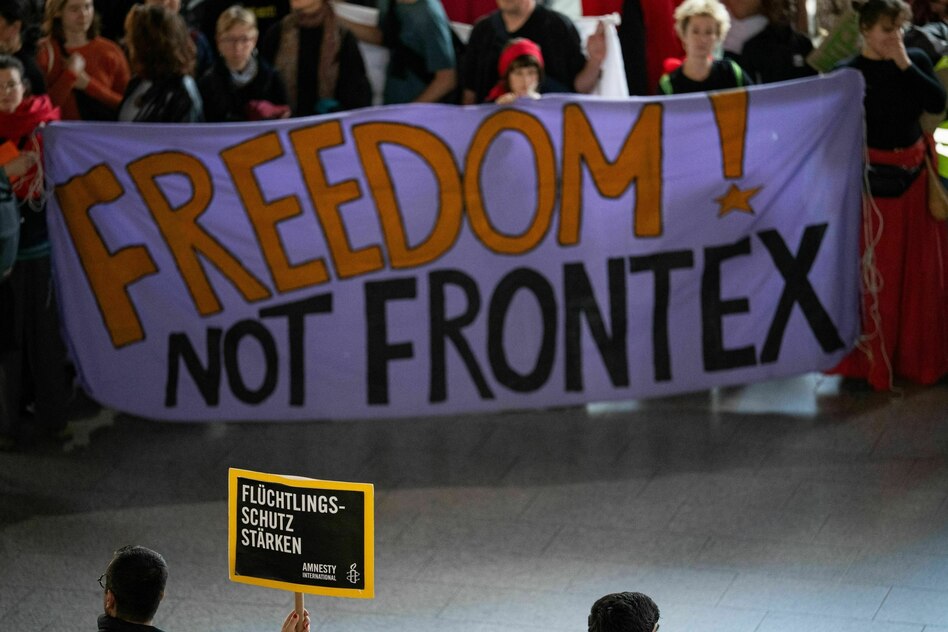
Thousands of people protested at six German airports over the weekend against deportation prisons and new anti-migration laws. But the EU is currently preparing precisely such laws. Interior Commissioner Magnus Brunner wants to present a legislative package to expand the EU border protection agency Frontex on Tuesday. Among other things, Frontex is to set up a “deportation coordination center”.
What sounds new represents a project that the Commission has been pursuing for a long time: to develop Frontex into a real EU border police - with its own powers, instead of, as before, primarily as a service provider for the national border guard authorities. Brussels has been moving in this direction for years. Frontex has been coordinating and financing collective returns at the request of member states since 2006, and also on its own initiative since 2016.
However, the scope of such actions remained limited: the first collective deportation initiated entirely by Frontex did not take place until 2022. There have only been a handful of such operations since then. Many member states were skeptical – for different reasons. Some had human rights concerns, while others feared that deportations would be slowed down by the EU. Accordingly, they wanted the decision on returns to remain a matter for the Member States.
The taz is an independent, left-wing and opinionated daily newspaper. We have been arguing in our comments, essays and debate texts since the taz was founded in 1979. We often cannot and do not want to agree on an opinion. That's why you'll find some completely opposing positions here - all part of the very broad left-wing spectrum of opinions.
With the fall of the firewall in the EU Parliament, for example during the deportation to the “return hubs” in March 2026, and the majority shift in the EU Council to the right, the Commission now apparently sees the opportunity to circumvent these old reservations. The events in Ceuta at the end of July acted as a catalyst. Immediately after the onslaught, Federal Interior Minister Alexander Dobrindt called for more competencies for Frontex, while even Frontex Director Hans Leijtens warned against transferring too much decision-making authority from national hands to Frontex. Nevertheless, it is quite possible that it will come down to that.