
Germany taz
Funding for new gas power plants: sour apple
If you want to ensure electrical safety, you can't ignore fossil power plants. The electricity consumption cannot be managed by the networks. more...
Deutsch (original) ·Auto-translated to English
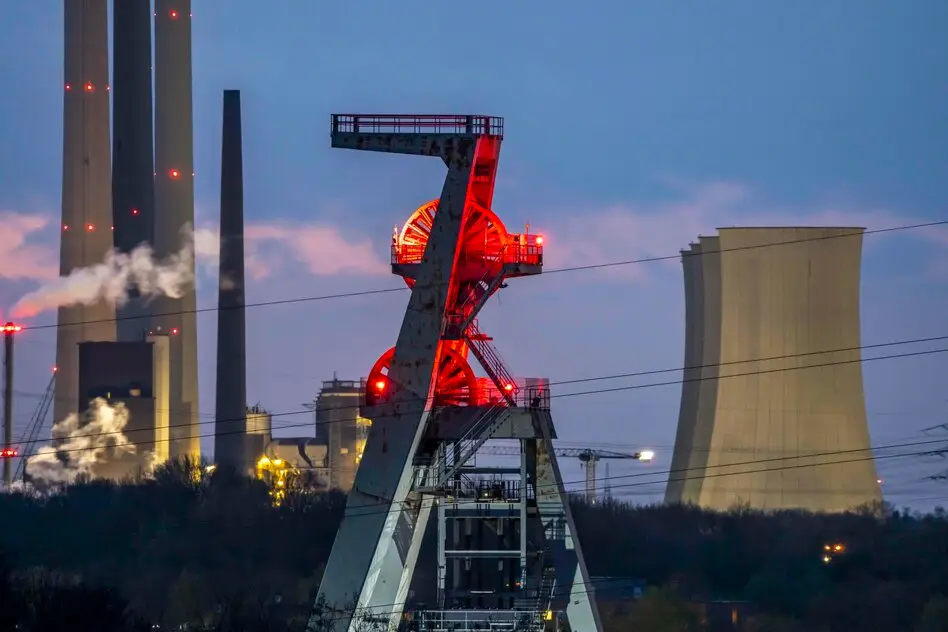
Of course, the current decision is bitter if you want to quickly convert the energy industry to climate neutrality: fossil-fuelled power plants are now being promoted and, according to the tender conditions, they will be in operation until at least 2046. The fact that the systems will be climate-neutral from 2045 onwards, i.e. without emitting CO2, is little consolation given the whole story.
Nevertheless, as difficult as it may be, you have to say: Welcome to reality! In industrial production, in the heating market and in transport, the entire life is to be electrified with great pomp - and suddenly you realize that all the electricity is not available at the desired level of continuity. Be it because wind and sun are currently weakening, or be it because the electricity is basically available somewhere, but is not reaching where the customer needs it due to a lack of networks.
In the social debate, simple solutions are generally found quickly: then you just have to expand the networks. And you have to build more storage. All right. But even with the best will in the world, the networks will not be able to keep up with the projected increase in electricity consumption in the coming years. Building infrastructure takes time in a densely populated country. And the storage? In terms of network technology, they all too often seem like simple consumers and therefore fail due to the lack of a network connection.
The taz is an independent, left-wing and opinionated daily newspaper. We have been arguing in our comments, essays and debate texts since the taz was founded in 1979. We often cannot and do not want to agree on an opinion. That's why you'll find some completely opposing positions here - all part of the very broad left-wing spectrum of opinions.
From a purely physical and technical perspective, there are only two options left for the coming years. Either you build controllable power plants that step in when renewable energies are not sufficient. Or at least larger electricity consumers have to accept that the desired electrical output is not guaranteed at all times. It is a question of honesty: Anyone who is against fossil power plants - and there are good reasons for being against them - must also ask themselves what restrictions they are prepared to accept.