
World taz
Consequences of the Iran War: How US Middle East policy influenced the midterm elections
The failure of the Republicans in the elections is also linked to the Iran war. Nevertheless, the military is transporting equipment and troops to the region. more...
Deutsch (original) ·Auto-translated to English
The Republicans' defeat in the US midterm elections was devastating: the Democrats won the majority in both the House of Representatives and the Senate. Vice President J. D. Vance immediately offered an explanation for the disgrace - and also shot at his boss, President Donald Trump.
On X he wrote: Many voters switched to the Democrats between 2024 and 2026. A polling institute asked ex-voters when they would return to the Republicans. The four most common answers, according to Vance: “End the Iran War, focus on cost of living and inflation, ‘America First,’ changing relations with Israel.” Now this attitude of the US Vice President towards Israel and the Iran War is nothing new: only in September he declared that America “should not allow our Middle East policy to be subordinated to the State of Israel”.
The high cost of living was actually a reason for many voters to vote for the Democrats. In a Reuters poll before the election, 50 percent of respondents said a candidate's position on the cost of living was the deciding factor. The fact that these have increased is also due to the Iran war. A barrel of Brent crude oil is currently around $97, but has reached over $120 during the conflict with Iran. Before the war began in late February 2026, the price was around $70. This is evident at gas stations and – due to higher transport costs – for almost all goods.
The Iran War itself was never popular with the US population. In a Pew Research Center survey at the end of March, 6 out of 10 respondents disapproved of Trump's handling of the Iran conflict; many believed the decision to use military force was wrong. In October, more than 50 percent of respondents said they had no confidence that the Trump administration would achieve its goals in the conflict with Iran.
The four goals declared for war by Trump in March: the missile program, destroying the regime's already produced missiles and the navy; prevent Iran from acquiring nuclear weapons; to end Iran's support and armament of various militias in the region. None of these four goals could be achieved. Although missiles have been reduced and launch sites and storage facilities have been destroyed, Iran is still able to produce missiles. The Navy also continues to do so; in October alone, over 30 ships were attacked while passing through the Strait of Hormuz.
Iran's major nuclear research facilities were already massively damaged in 2025; However, enriched uranium remained in the country. Additionally, as confirmed by the International Atomic Energy Agency, Iran is carrying out work on the suspected Pickaxe Mountain nuclear facility. The militias Hezbollah in Lebanon, Houthis in Yemen, Hamas in the Palestinian territories and the PMF militia group in Iraq are decimated to varying degrees, but - especially in the case of the Houthis - are still able to keep the region in suspense and wage war against militarily superior players.
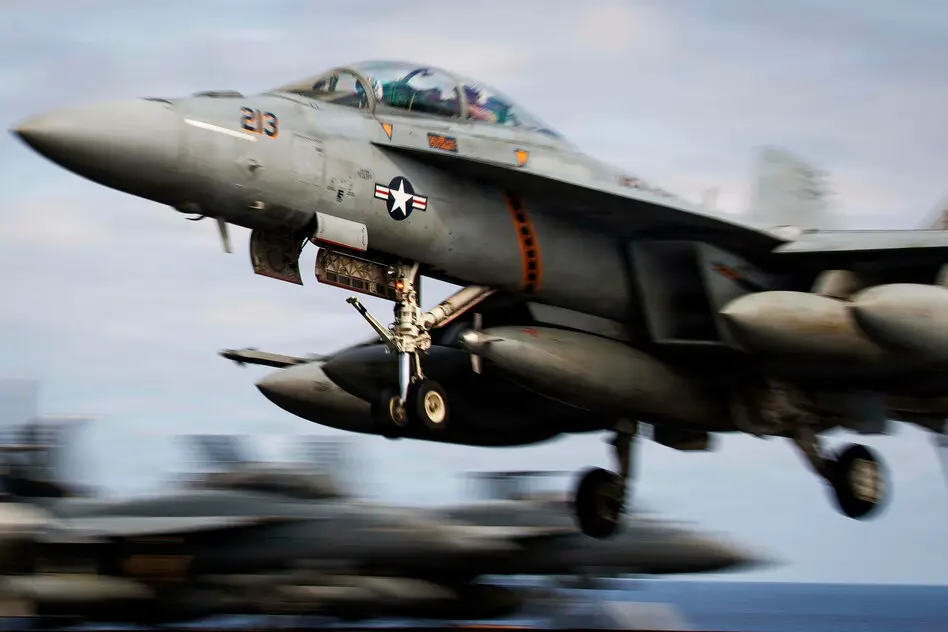
Instead, the attack by the USA and Israel against Iran primarily resulted in the regime blocking the Strait of Hormuz. And thus massively increased the prices for the export of energy sources from the oil and gas-rich countries in the Persian Gulf, at times even making it almost impossible. The US military is now transporting equipment and troops to the region and the deployment is reminiscent of the scenario shortly before February 2026.
UAE-based analyst Aimen Dean wrote after the election: “A hurt Trump is a dangerous Trump.” There were similar analyzes in Israel regarding the election loser there, Prime Minister Netanyahu. The course seems set – and J. D. Vance’s criticism is unlikely to change anything.