
Germany taz
Driving licenses should become cheaper: not out of niceness to young people
The driving license reform should make the rag up to 1,000 euros cheaper. Who needs something like that when you can barely afford an apartment and weekly shopping? more...
Deutsch (original) ·Auto-translated to English
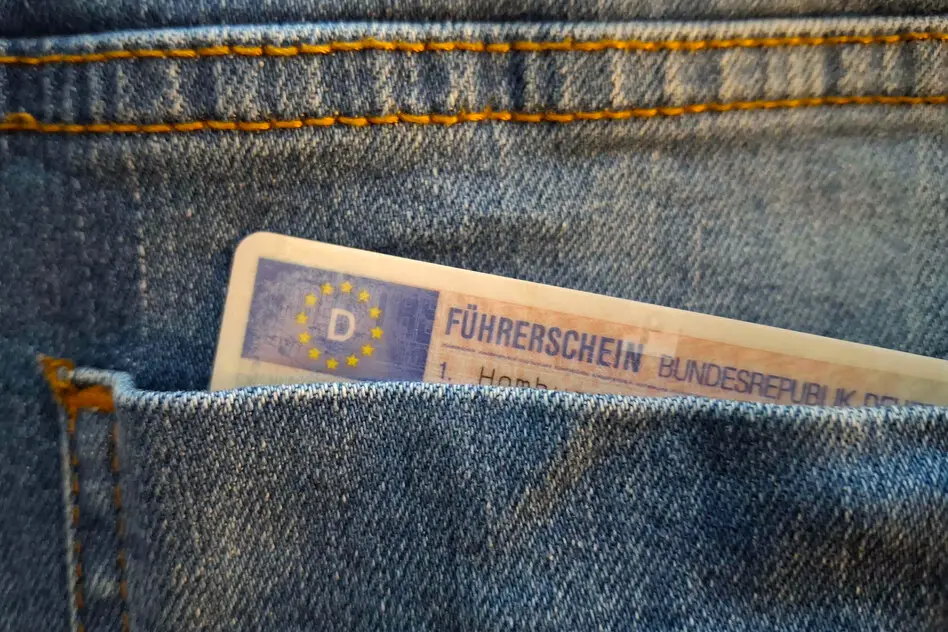
I like being a passenger and I love being driven around the world by my friends. And I don't plan on changing anything about my role as a passenger in the foreseeable future. In Berlin I can easily get from A to B by bike and public transport and it's even faster than by car.
I would still like the opportunity. Who knows? Maybe at some point I would like to settle in the rural outskirts of the beautiful Berlin area - and then, oh wonder, you need a driving license. Because the Berlin subways don't run every 5 minutes. However, I and many other GenZers are largely denied access to a driving license, given the average price of 3,400 euros per driving license.
Without financial support from parents, a savings account from grandma or grandpa, a lottery win or early debt, it is almost impossible to be able to afford a driver's license while doing an apprenticeship or studying. But that could change now.
The taz is an independent, left-wing and opinionated daily newspaper. We have been arguing in our comments, essays and debate texts since the taz was founded in 1979. We often cannot and do not want to agree on an opinion. That's why you'll find some completely opposing positions here - all part of the very broad left-wing spectrum of opinions.
Because the driving license reform is being voted on in the Bundestag. The main aim is to simplify the bureaucratic procedure and thus provide a cheaper driving license. Practicing with mom or dad in the passenger seat is also planned. Parents can now take on what is too expensive for the state. Transport Minister Bilger says you can save up to 1,000 euros this way. None of this costs tax money a cent.
A cheaper driving license is important and good, especially for young people from rural areas. For the majority of GenZers, however, it's not the driver's license that worries them, but rather the price of food, everyday life, the beer you want to treat yourself to.
The fact that driving licenses and the ability to go shopping by car will be cheaper from next year doesn't really matter to those people who first have to see whether they can afford their next purchase. And other reforms – such as free use of public transport or the expansion of cycle paths – would also make more sense for people in the city.
Social framing doesn’t help either. Like former Transport Minister Patrick Schnieder (CDU), who speaks of mobility as a “part of public services” that should not be a “privilege”. Because the driving license reform is far from being a social reform.
Also because not everyone will benefit from it: only those who have had their driving license for seven years without interruption, have received a maximum of one point in Flensburg and are doing the whole thing free of charge are allowed to drive - in their own, appropriately insured car. Anyone who has a family car on their doorstep will get part of the savings. And just because the reform makes it easier to afford a driver's license, that doesn't mean that the same is true for cars, gas or insurance.
Instead, these reforms serve the auto industry. No wonder: the German car industry is currently in one of its biggest crises. The dollar signs glitter in Scrooge McDuck's eyes, and probably the diesel engine in Merz's eyes.
It has become quite clear these days that the federal government is not acting out of niceness and social standards. For example, when it was announced that around one in three households could lose their entitlement to housing benefit as a result of the housing benefit reform - especially pensioners. Housing, unlike a driver's license, can probably remain a privilege.