
Housing taz
Ex-Mayor of Barcelona: The return of the rent fighter
Ada Colau is to lead the left-wing Frente Amplio alliance in Spain's new elections. She is hitting a nerve with her fight for affordable housing. more...
Deutsch (original) ·Auto-translated to English
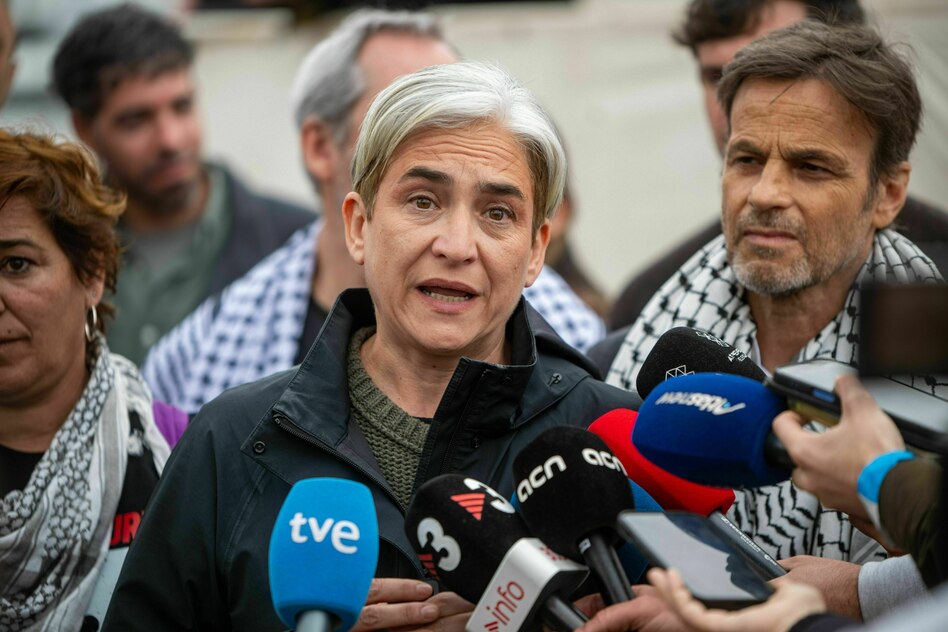
An old friend is back. The former left-wing alternative mayor of Barcelona, Ada Colau, is running as the top candidate for the left-wing electoral alliance Frente Amplio (Broad Front) in the early elections in Spain on November 29th. In a sense, the 52-year-old activist is the right person in the right place. Prime Minister Pedro Sánchez brought forward the elections from summer 2027 to this fall because two laws to reform the rental market failed due to resistance from the right in parliament.
The draft laws were the result of ongoing protests for decent and affordable housing. The issue will determine the election campaign. And when it comes to housing policy, no one has as good a reputation as Ada Colau.
The separated mother of two children has been fighting against evictions for years - first against those of defaulting ratepayers, then against those of tenants. Colau led the platform she co-founded for those affected by mortgages (PAH) during the financial crisis. She became known in Spain for an appearance in parliament in which she called a representative of the banks “cynical and criminal”. Colau was speaking from the hearts of hundreds of thousands of people who, after the speculative bubble burst, had to pay off apartments that were worth less than the loan. Many lost their jobs and were evicted.
The bank got the apartment, but the failed customers still had to pay the difference between the new, lower value and the loan. The PAH collected signatures for a popular law initiative. She demanded that debtors remain debt-free after the keys were handed over. Parliament accepted the bill for debate but never passed it.
Colau moved from the PAH into politics. During these years, the left-wing alternative Podemos emerged, and a related party, En Comú (Together), was founded in Catalonia. Colau was one of the driving people behind this project and eventually moved into the Barcelona City Council in 2015 with the Comunes as the strongest force and became mayor.
She shaped her two terms in office with social policy, especially in the city's poorer districts. In housing construction, it supported small, self-organized cooperatives with land. The city became more ecological, thanks to traffic-calmed zones and the promotion of sustainable mobility. A municipal energy supply company was created.
After her 2023 election defeat, Colau supported the new socialist mayor Jaume Collboni and then withdrew from the city council. She became quiet throughout Spain, but in Catalonia she remained active in the housing movement. When the new wave of protests for affordable housing began and the elections were brought forward, many on the left looked their way.
Now Colau leads a broad alliance. The lists are to be presented in Madrid on Saturday. Colau wanted to use the time until then to get Podemos on board. So far it doesn't look like this will work.
"I have been proposed as a candidate for the office of head of government, and that honors me. If I can be of use, I will approach this task with great enthusiasm and devote all my energy to it," explained Colau, but at the same time made it clear that she did not want to stand in anyone's way. If “new groups” emerge and the consensus shifts in favor of “someone else who enjoys more support than my candidacy,” she will withdraw.