
Migration taz
EU asylum policy: Learning from Lithuania
The EU wants to be able to suspend the right to asylum through a so-called “crisis mechanism” – based on the Baltic model. Does this mean that the basic right to asylum will be removed? more...
Deutsch (original) ·Auto-translated to English
As is well known, the Baltic states are pioneers in the EU when it comes to digitalization. Soon they could also be the same when it comes to asylum law - although not in a progressive way.
In 2023, the parliaments of Latvia and Lithuania decided that their border police could, under certain circumstances, push people directly back across the border into Belarus. In fact, they can no longer apply for asylum.
In Lithuania, a “state of emergency” was declared due to allegedly too many irregular border crossings. In 2025, 263 asylum applications from people outside Europe were submitted there.
Anyone who crosses the border irregularly is classified as a “hybrid threat” sent by Alexander Lukashenko and “irregular migration used as a weapon”. The people are then automatically considered a “threat to national security and public order,” says lawyer Emilija Švobaitė from the NGO Sienos in Vilnius.
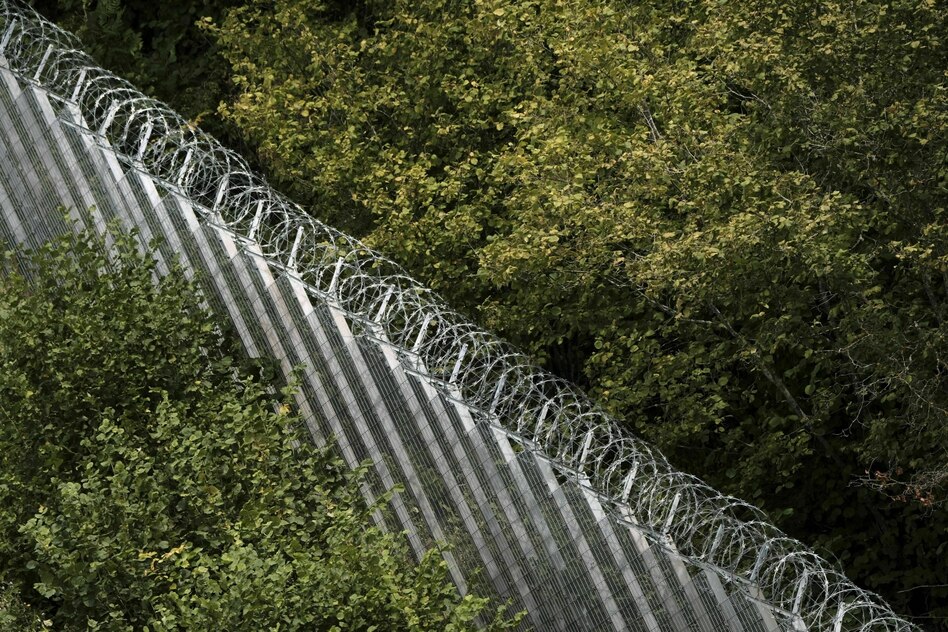
Since the state of emergency came into force in July 2023, Lithuanian border officials say they have pushed 6,990 people back to Belarus - sometimes by force. However, because the Belarusian border guards do not officially take them back, they are smuggled into forests through doors in the barbed wire fence that separates the two countries. On the Belarusian side they are left to their own devices in the forest. People who survived winter days there have had to have their limbs amputated several times.
Just 17 people seeking protection from outside Europe were recognized in Lithuania, a country of 2.9 million, in 2025. In relation to the number of inhabitants, this is around 160 times less than in Germany in the same year.
No wonder that Europe's interior ministers find this model extremely tempting. At a meeting in Luxembourg at the beginning of October, they agreed on a new crisis mechanism. He should be able to suspend the right to asylum if, for example, hostile third countries exploit migration.
This text first appeared in wochentaz, our weekly newspaper from the left!
Every week, wochentaz is about the world as it is – and as it could be. A left-wing weekly newspaper with a voice, attitude and the special taz view of the world. New every Saturday at the kiosk and of course by subscription.
The aim is to ensure that the “normal asylum procedures” do not take place in such a case, said Interior Minister Alexander Dobrindt (CSU). The EU had just introduced a mechanism in June with the new Geas asylum system in the event of “instrumentalization”. But it does not provide for completely suspending the right to asylum.
This week the EU heads of government met to discuss further the crisis mechanism. 38 NGOs, including Amnesty International, warned in a letter of protest on Wednesday that the mechanism undermines central elements of European fundamental rights protection and the EU's self-image. “People could be turned back at Europe’s borders before they are even allowed to say why they need protection.”