
Politics taz
First reading: Bundestag debates care reform
It's the first serve: This Thursday the Bundestag will debate the care reform. The major structural reform should then follow in the new year. more...
Deutsch (original) ·Auto-translated to English
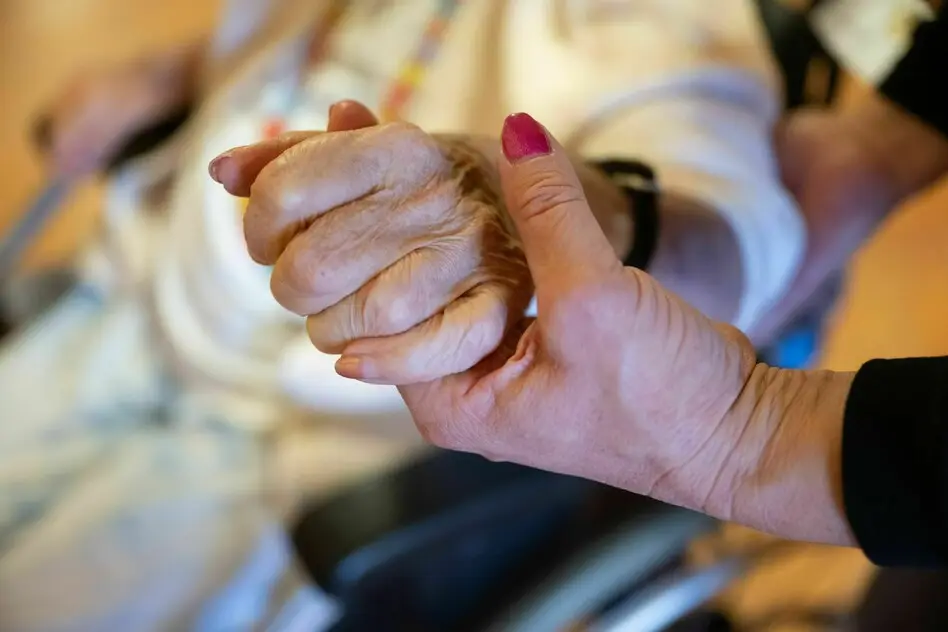
kna | The Bundestag will debate the nursing care reform for the first time on Thursday. It is intended to put nursing care insurance back on a more stable financial basis. The aim is to keep nursing care insurance contributions stable at 3.6 percent of gross wages for the time being. The law is scheduled to come into force on January 1st. Statutory nursing care insurance is heading for a deficit of around 1.2 billion euros for 2026 despite a federal loan of 3.2 billion euros. Without this loan, the actual loss would be around 4.4 billion euros.
Among other things, it is planned to increase the contribution surcharge for childless people by 0.3 percent and to increase the contribution assessment limit by 300 euros - analogous to statutory health insurance. The contribution assessment limit is the maximum gross salary limit up to which insured persons pay contributions to nursing care and health insurance.
Prevention and early rehabilitation should be used more extensively in the future. The initially planned pension cuts for nursing staff will not be implemented. The relief budget for people with care level 1, however, will be canceled despite ongoing criticism.
The law had caused tough disputes in the governing coalition. Up until the day of the cabinet decision, it was questionable whether a decision would even be made. The Union and the SPD then agreed to exclude particularly controversial points and delegate them to a commission of experts. It was appointed in mid-October and is expected to make concrete proposals for long-term structural reform by the end of December.
In the run-up to the Bundestag debate, the German Caritas Association warned of serious deteriorations for outpatient care services. The draft law eliminates the possibility for nursing services to offer those in need of care low-threshold support to help them cope with everyday life, explained President Eva Welskop-Deffaa. This would weaken domestic supplies.
The Association of Catholic Elderly Care (VKAD) also called for changes to the planned social space budget. The previous relief amount of up to 131 euros per month is to be replaced by a social space budget of up to 175 euros for care levels 2 to 5. While those in need of care have so far been able to use the relief amount for services provided by approved outpatient care services as well as day, night and short-term care, this will no longer be possible in the future.
“Many outpatient services have responded to the increasing need and expanded their home services and care,” explained the association. If this financing option is no longer available, it will endanger jobs and could lead to existential difficulties for services, warned the association's chairwoman Barbara Dietrich-Schleicher.
The German Nursing Council also warned of service restrictions. Facilities fear for their existence, those in need of care and relatives have to expect less support, explained President Christine Vogler. She called for higher hurdles to be removed in terms of care levels, to receive relief benefits, to protect adherence to collective bargaining agreements and to fully refinance personnel costs.