
Germany · taz · · 3h
Bolivia's first gay marriage: “We don't want to be the last”
Deutsch (original) · Auto-translated to English
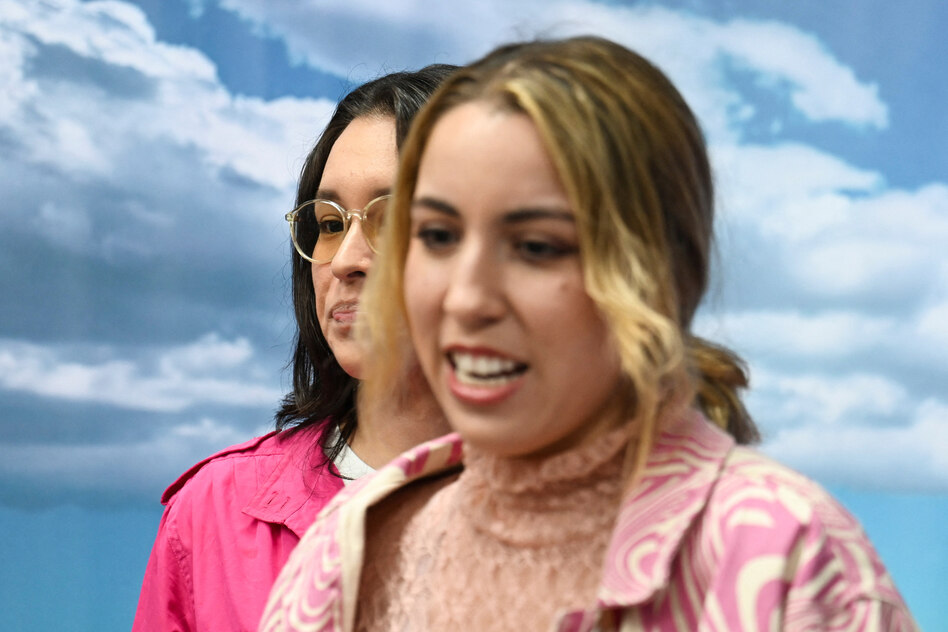
Finally. Fabiana Bánzer thought on her wedding night that she can finally die in peace. Not that she wanted that after this beautiful wedding celebration. But when Bánzer and her wife Scarlett Rocha returned to their apartment in the Bolivian city of Santa Cruz that evening, she realized: "If something bad happens to me now, everything belongs to Scarlett. She is now officially my family." The two 29-year-old women were the first same-sex couple to be allowed to marry in Bolivia.
They had to fight for it for three years and ten months. Together with a lawyer from the NGO Igual, which advocates for the rights of queer people in Bolivia, they went through all the bureaucratic and legal avenues to get their application for a civil marriage approved. The request was rejected in October 2022 because Article 63 of the Bolivian Constitution continues to define marriage as a union between a woman and a man.
But after a long battle and two constitutional complaints, a court ruled in favor of the two women. A special feature in her case: Scarlett Rocha is a US citizen. Her lawyer was therefore able to rely, among other things, on international human rights standards and an opinion from the Inter-American Court of Human Rights on the subject of “gender identity and equality and non-discrimination between same-sex couples”. The permit does not automatically apply to other queer couples in Bolivia: there is currently no marriage for everyone or a general opening of marriage in Bolivia.
Bánzer and Rocha met through a friend in early 2022. A few months later they moved in together as a couple. As they say, they not only had to deal with coming out in their conservative families, but also with bureaucratic hurdles that heterosexual couples can get around more easily. “From opening a joint bank account to naming Fabiana as my emergency contact at the hospital when I had an accident, everything was impossible,” says Rocha. “Legally, we had no say in each other.” That's when they started thinking about marriage.
On August 7th, the two came to the registry office in Santa Cruz in white, a video from the Reuters agency showed, led by the hands of Bánzer's mother, and exchanged vows in tears. “I pronounce you wife and wife,” said the registrar. Applause.
The date was not chosen by chance: Bolivia's Independence Day was celebrated the day before. “We wanted to send a signal and say that we still need to make progress when it comes to the rights of queer people,” Bánzer said in the video.
Bánzer and Rocha's wedding attracted national and international attention. While religious and conservative circles in Bolivia criticized the ceremony as an “unconstitutional act,” human rights organizations and the queer community across the Latin American continent celebrated it as a milestone and a further step toward equality.
“This is part of a historical continuity,” said LGBTQI activist David Aruquipa. In 2020, he and his partner were the first same-sex couple in Bolivia whose “unión libre”, something like a registered partnership, was recognized by the state - also after a legal dispute. Since 2023, all same-sex couples have been able to have their civil union officially recognized; 148 queer couples have had their partnership registered there since then. However, a marriage is not the same: it offers further rights, especially when it comes to inheritance law and claims from health, pension and unemployment insurance.
For years, LGBTQI organizations have been calling for the recognition of same-sex marriages at pride parades in La Paz, Cochabamba and Santa Cruz.
As for marriage for everyone in South and Central America, Bolivia is part of the countries that do not allow it, as are Paraguay, Peru and Venezuela. But these countries are becoming fewer and fewer. Same-sex couples are allowed to marry in Argentina, Uruguay, Brazil, Colombia, Ecuador, Chile, Costa Rica and, since 2022, Cuba and Mexico.
The first country on the continent was Argentina in 2010 with the Ley de Matrimonio Igualitario. Argentina and Uruguay are also relatively advanced in other rights for the queer community. Through the so-called Ley de Identidad de Género, both enable trans, inter or non-binary people to have their gender identity legally recognized and registered in a self-determined manner. Same-sex couples are also allowed to adopt children in Argentina and Uruguay.
Children are not yet an issue for Fabiana Bánzer and Scarlett Rocha. After the fuss about the wedding, they returned to their everyday lives, to their jobs - Bánzer is a psychologist, Rocha is a neuroscientist - and to their seven pets, four cats and three dogs. In the Reuters video, they run through the garden, jump on the two of them while they are sitting there, or appear when Bánzer and Rocha are doing each other's makeup and laughing in front of the bathroom mirror. Bánzer says that nothing has actually changed in their everyday life as a couple, except that they now feel peace - and have therefore done something good for their mental health.
“We should neither romanticize the event nor forget that queer people in Bolivia and everywhere experience psychological and physical violence every day,” she says.
In the month since the wedding, a dozen couples have already contacted Igual, reports a spokesman for the NGO. They want to try to find a legal way to get married civilly like Fabiana Bánzer and Scarlett Rocha.
"We don't want to be the last. We hope that a door has now opened and everyone who wants to can make it," says Rocha. “We also hope that one day it will no longer be historical but normal that every person can marry the person they love.”
Read the full story at the source
Source: taz