
Germany taz
Ebola in Africa: No all-clear yet
Experts have noticed a slight downward trend in infection rates with the virus. How sustainable this is remains to be seen. more...
Deutsch (original) ·Auto-translated to English
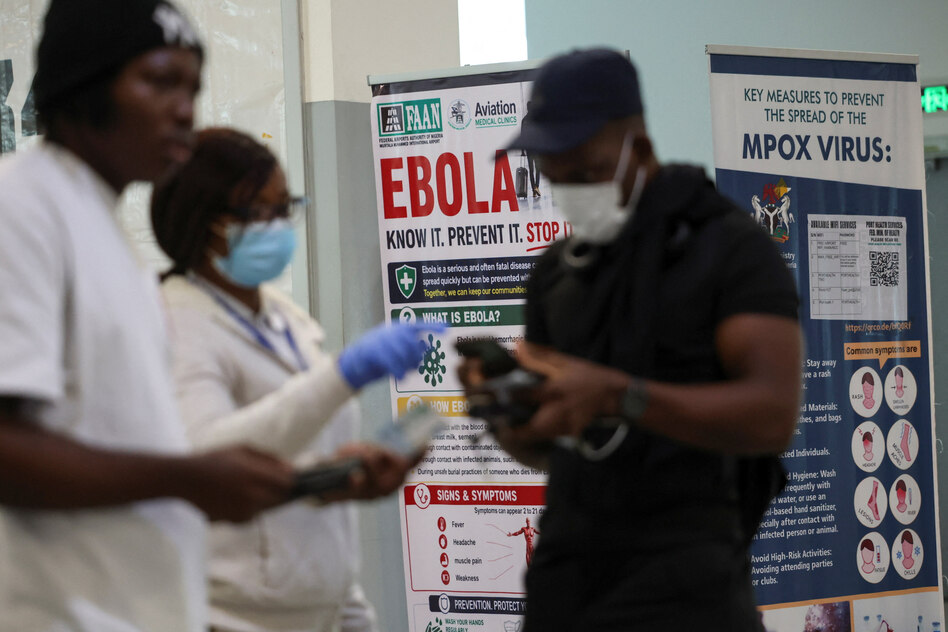
Wessam Mankoula from the African Disease Control Agency (Africa CDC) was cautiously optimistic on Thursday at the weekly press briefing on the Ebola virus disease. “We are seeing a slight downward trend in infection rates,” explained Mankoula. “But it still remains to be seen whether this is really a sustainable decline,” warned the Ebola expert.
The highly contagious virus continues to spread. A case was recently reported in Nigeria last Tuesday, meaning four African countries are now affected by the deadly virus. The patient probably contracted the disease during a trip to Uganda and only developed symptoms after her return.
Around 44 contacts are now in quarantine, while the identification of possible additional contacts is in full swing and puts Nigeria on alert. The case shows how important preparation and consistent health screenings at borders are, said Mankoula.
Uganda had 20 cases in the wake of the Ebola outbreak, most of which were imported from neighboring Congo. In August, the World Health Organization declared the country Ebola-free. However, the case has since become known in Nigeria. Kenya also reported its first Ebola death shortly before; the affected person had previously been in Uganda.
It is still unclear where the person who became ill in Nigeria became infected. There was no confirmed trip to the Democratic Republic of Congo, said Wessam Mankoula. However, both people left Uganda on October 3rd. It is therefore conceivable that they met at the airport and that infection occurred there.
The investigation into this is ongoing, according to the disease expert. He warned against hasty conclusions. This brings the number of infected cases to a total of 9,735 since the disease was discovered in mid-May. So far, about 4,690 people have died as a result of the outbreak in the four African countries that have reported cases, starting with the Democratic Republic of Congo, according to the Africa CDC. With a total of 4,687 Ebola deaths, it remains the epicenter of the disease.
A total of 66 health zones are affected. The good news is: 15 of them reported no new cases in the past 21 days. Declines have been recorded particularly in the regions of Bunia and Mongbwalu – where the virus was first discovered – as well as Katwa and Butembo.
However, given ongoing security problems, strikes and popular resistance to treatment and tracing, the numbers should be interpreted with caution, Mankoula warned. The war and crisis-torn provinces of Ituri and North Kivu remain the worst affected, with 94.7 percent of cases.
In addition to the security situation making it difficult to trace contacts, there are reporting delays in around 70 percent of confirmed cases. On average, patients waited four days after the first symptoms appeared before being reported to a health center. In 10 percent of cases it takes eleven or even more days.
"Unlike Covid, Ebola patients are only contagious when they have actively developed symptoms," said Mankoula. In order to contain the spread, it is necessary that patients seek help no longer than two days after the first symptoms of the disease appear in order to enable a quicker diagnosis. There is still neither an approved vaccine nor a drug, but tests are ongoing.