
Germany taz
Documentary about child doping: cruel powerlessness
The ARD documentary can't leave anyone cold. But what to do? It's not just organized sport that tends to separate the problem from itself. more...
Deutsch (original) ·Auto-translated to English
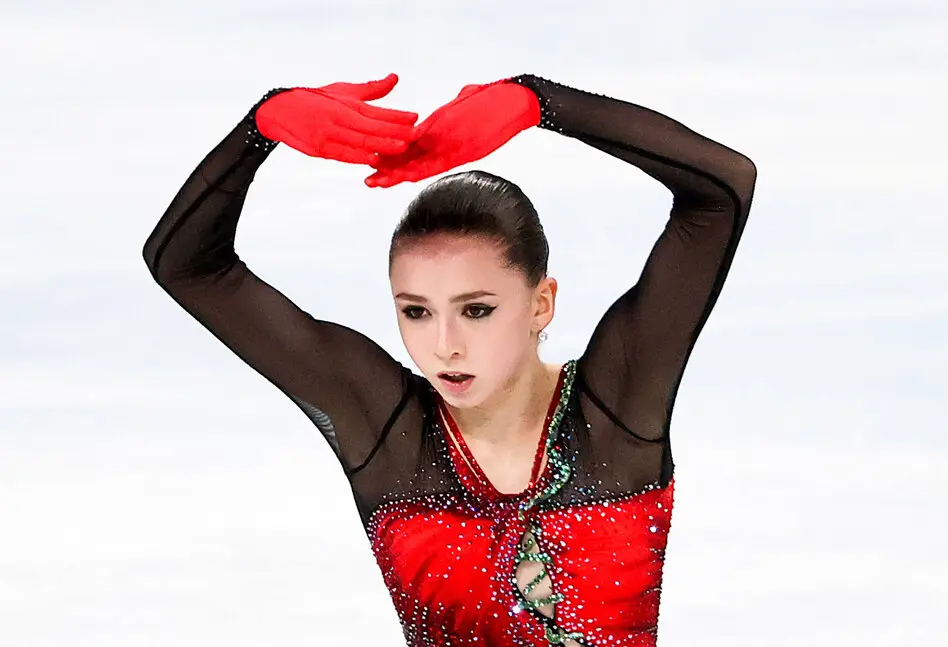
Massive consternation and outrage are to be expected. The stories told in the just-released ARD documentary about child doping testify to the particular brutality of competitive sport. One minor loses his leg, another loses his kidneys, another loses his life. And in addition to the consequences of illicit performance-enhancing drugs, stories from all over the world are about physical, psychological and sexual violence. Of course, this is not a coincidence of the worst crimes. Anyone who feels empowered to manipulate children's bodies for top sporting performance despite the extreme health risk is obviously disregarding other boundaries without hesitation.
Sometimes the connections between transgressions are shockingly direct. It is impressive how Hans-Georg Aschenbach, the 1976 Olympic ski jumping champion for the GDR and today's sports doctor, tells in the ARD documentary how taking anabolic steroids massively increased the athletes' sexual drive and encouraged abuse by trainers.
The phenomenon of child doping is certainly not new. In the documentary, Hajo Seppelt and his team also recall several historical cases. However, the current situation is worrying. According to anonymous surveys of athletes, 10 million children worldwide are currently affected by doping. The Internet provides easier access to illicit means. The fact that influencers with high followings trivialize the consequences of taking them has a fatal effect.
The stories of child prodigies in sports are particularly popular. The Gladbach professional footballer Wael Mohya, who was called up to the national team by Jürgen Klopp at the age of 17, is currently being celebrated in the media. The German sports audience was once intoxicated by Steffi Graf, who started playing professional tennis at the age of 13. Or Franziska van Almsick, who won her first Olympic medal at the age of 14.
What could be done against child doping? In the documentary, the head of the anti-doping department at UNESCO suggests convening an international conference. There's no better way to describe the powerlessness when it comes to competitive sports.