
Germany taz
Deutsche Bank: But not so boring
When he took office, Deutsche Bank boss Sewing wanted to make the bank “a little more boring”. Investigative research today raises doubts about this. more...
Deutsch (original) ·Auto-translated to English
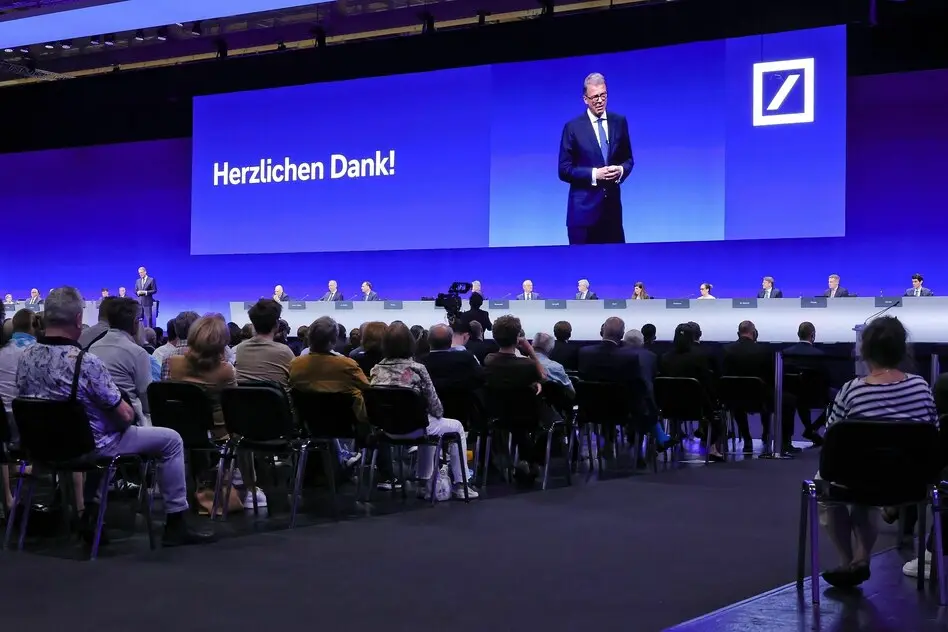
An unprecedented leak is putting a heavy burden on Germany's largest credit institution. Whistleblowers had already leaked more than 15 million internal documents, including nine million emails, from Deutsche Bank to journalists last year. On Tuesday, an international media consortium published the analysis of their research, including Spiegel and ZDF.
According to Spiegel and ZDF, the leaked documents mainly come from areas that deal with “problematic business transactions, sensitive customers and financial crimes”. This includes business relationships with Russian oligarchs, account management for the convicted sex offender Jeffrey Epstein until 2019, but also events surrounding US President Donald Trump.
For example, despite internal and external recommendations to the contrary, Deutsche Bank decided in April 2021 to carefully expand its Russian business. Even the bank's own “Anti Financial Crime” department revealed in 2020 that money for Vladimir Putin was said to have been mobilized through Deutsche Bank's transactions in Russia. In addition, sanctioned oligarchs are said to have moved money into the EU via shell companies, for example in Cyprus.
In the Epstein case, too, Deutsche Bank apparently ignored known risks. Not only had he served a prison sentence for inciting prostitution when Deutsche Bank recruited him as a customer. She then also processed suspicious transactions for one of his companies, for example to Eastern European women. In total, the bank subsequently reported transactions totaling around $580 million from Epstein's environment as suspicious - more than twice as much as previously known. Epstein and those around him maintained more than 40 accounts at the bank, the last of which were closed in July 2019.
Donald Trump had had Deutsche Bank as a customer for a long time and it repeatedly provided him with loans. When he was first elected US President in 2016, he still owed the bank around $331 million. The bank rejected a new loan request after internal discussions about reputational risks. After examining some suspicious payments, she reported them to regulators - but without mentioning that the companies in question belonged to Trump.
Deutsche Bank is also said to have conducted transactions with Colombian banks that gave rise to suspicions of money laundering. Exams apparently preferred not to be completed. One employee is said to have written that one cannot afford to lose money because of this.
Similar money laundering incidents had already caused scandals and even raids at the financial institution in the past. CEO Christian Sewing, who took office in 2018, then set himself the task of running Deutsche Bank more seriously and quietly. To this end, extensive internal control measures should be introduced.
Deutsche Bank responded to the allegations on Tuesday morning by saying that the issues at the center of the reporting went back years and that 7 billion euros had been invested in controls between 2019 and 2025. But the research suggests that a cultural change has not taken place internally.
Even before his appointment as CEO, when he headed the Wealth Management department, Sewing criticized the “Know Your Customer” rule in emails because it slowed down sales. The rule involves checking wealthy private customers to rule out sensitive connections such as terrorist financing or money laundering.
Another burden for Deutsche Bank is the fact that it obviously did not protect its customers' data sufficiently. Private data of numerous, especially wealthy, customers has become public. This was possible, among other things, because these were shared internally via unencrypted communication channels. In addition to possible investigations and reputational damage, Deutsche Bank could also face a wave of lawsuits from injured customers.