
World · taz · · 2h
CJP protests in India: Controversy over voter lists drives thousands onto the streets
Deutsch (original) · Auto-translated to English
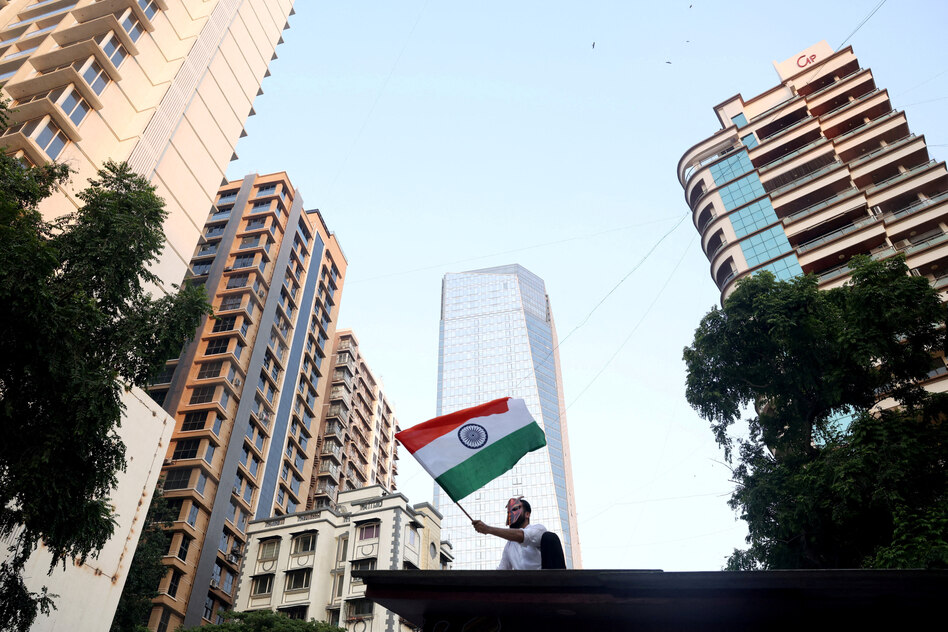
India's cockroach movement is back on the streets. Thousands of people demonstrated in Mumbai and Delhi on Friday against the revision of the electoral rolls. They demanded the resignation of Chief Election Commissioner Gyanesh Kumar. The youth movement Cockroach Janta Party (CJP) had called for this. At the end of July, demonstrations led by the CJP had already contributed to the resignation of the then education minister.
In the western Indian metropolis, over 10,000 people followed CJP founder Abhijeet Dipke's call. If Kumar does not resign, “cockroaches from all over India will march on Delhi and protest at Jantar Mantar on October 10,” Dipke announced.
Well-known Bollywood celebrities, including Shabana Azmi and Naseeruddin Shah, also took part in the demonstration. “The mood was charged, a huge crowd came together,” a protest participant told taz. At the same time, she felt anger and fear that people could lose their right to vote. The police accompanied the demonstration without using batons.
The protest in the capital Delhi was different: There, student and civil society groups tried to gather at the Jantar Mantar protest site. The police did not authorize the demonstration and arrested around 700 people. Among them was Neha Bora, president of the left-wing student organization AISA.
A video she published on X shows her being taken into a police bus. “The people are united,” wrote Bora and called for “Jantar Mantar 2.0”. Opposition leader Rahul Gandhi of the Congress party defended the right to peaceful protest and also called for Kumar's resignation. "Gen Z, students, farmers, tribals, Dalits, women - every struggle has its own story. But the voice that speaks alone is often stifled," said Gandhi. They have one goal: "Gyanesh Kumar should resign. Save democracy."
Behind the protests is a dispute that has been escalating for months over the revision of the electoral rolls, the “Special Intensive Revision” (SIR). The aim is to remove deceased people, people who have moved away and duplicate entries and to check information. Around 130 million names were initially missing from the draft lists. Opposition parties and activists accuse the Election Commission of excluding legitimate voters and favoring Prime Minister Narendra Modi's ruling Hindu nationalist BJP.
The electoral commission rejects allegations of manipulation. Individual documented cases show that the revision can have consequences for those entitled to vote. The former editor-in-chief of The Telegraph, R. Rajagopal, was removed from the electoral roll in West Bengal during the revision and was unable to vote in the regional elections there. UN special rapporteurs also expressed concern that Muslim and Bengali voters in particular may have been disadvantaged. The Indian government said the procedure was carried out without discriminating against any group.
Research by the newspaper “Indian Express” put additional pressure on Kumar: According to this, the two other election commissioners expressed concerns about decisions on voter rolls, registration procedures and digital systems at least 14 times within ten months. The electoral commission, however, stated that the decisions on the SIR had been made unanimously. Led by the Congress party, opposition parties also announced protests demanding Kumar's resignation from October 6.
Read the full story at the source
Source: taz