
Germany taz
CDU leadership meets base: The great dissatisfaction
Things are seething at the CDU base. Now the party leadership has invited the district chairmen to Berlin. Your criticism is primarily aimed at the boss. more...
Deutsch (original) ·Auto-translated to English
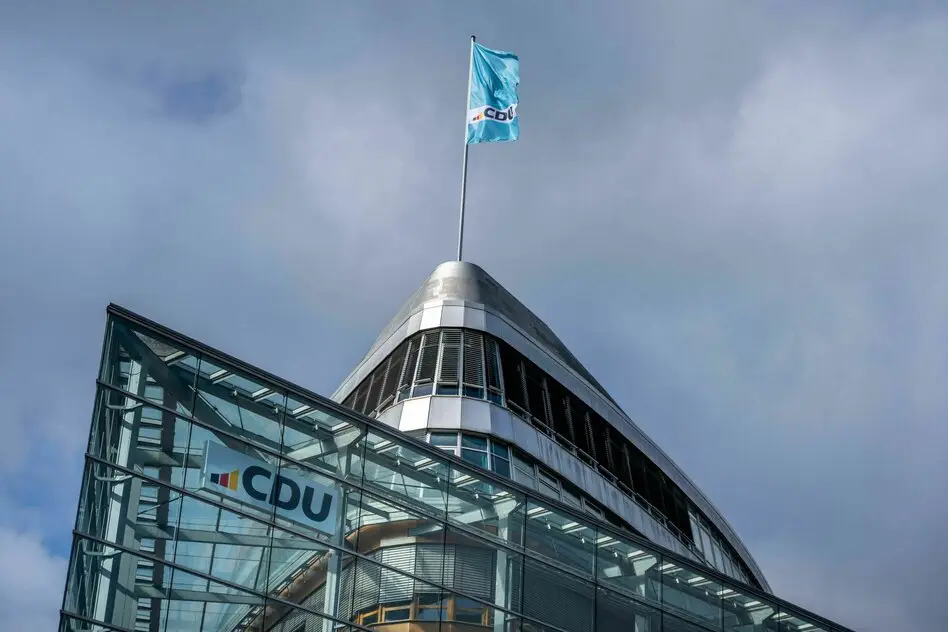
Three lost state elections and the ongoing dispute with the coalition partner SPD – there is a need to talk in the CDU. The party leadership around Friedrich Merz and General Secretary Franziska Hoppermann therefore invited the 324 district chairmen to a discussion in Berlin - according to dpa information, a good half accepted the invitation.
Corinna Rotte, chairwoman of the CDU district association Paderborn, which has 4,000 members, cannot come because of the district council meeting scheduled for Monday evening - but she had a lot to say. At the grassroots level, many people are worried, for example about their jobs, but there is also a lot of frustration, she tells the taz. Whether in terms of pensions, economic growth or the promised tax relief: “So far not as much has happened as we had hoped.” People didn't want step-by-step reforms, they wanted real change.
The pension commission presented a good result, but it is now being talked about. It is now a matter of consistently following through on the decisions once made. “Our base expects leadership, especially from the Chancellor.” Rotte says she hopes that colleagues traveling to Berlin will have the space they need to present their concerns. “So that the Chancellor knows what’s going on at the grassroots level.”
Anke Frieling accepted the invitation. She heads the 1,000-member Altona/Elbvororte district association. Here too, people would like to see more leadership from the Chancellor. “Many people ask themselves why the reforms aren’t coming faster,” Frieling reports to the taz. She sees the announced income tax reform as one of the most pressing issues. Here, SPD Vice Chancellor Lars Klingbeil presented a draft that is intended to relieve people of a total of 10 billion euros in two years.
This corresponds to the coalition agreement, but for many in the CDU it does not go far enough. “There is great agreement among our members that there must be more for the working middle class and families.” Merz is very clear about foreign and economic policy. “But everyone is hoping for a stronger CDU signature in the coalition.”
The nerves in the East German regional associations are even more tense. In Mecklenburg-Western Pomerania, the CDU missed entry into a state parliament for the first time in September. In Saxony-Anhalt, the CDU Prime Minister had to admit defeat to the AfD by a long shot.
The alarm lamp glows “dark red,” said CDU district chairwoman Désirée Schrade from Frankfurt (Oder) before the dpa meeting. There are “noticeable” numbers of people leaving the party, all of which are justified by dissatisfaction with federal politics. “You can’t throw a cloak of silence over it.”
Dresden district chairman Ingo Flemming also thinks so. “The citizens simply don’t have the impression that Berlin heard the shot,” he said. “And that is what of course leads to hardening here at the grassroots level, which of course also leads to a discussion about the Chancellor.”
There is another topic on which Merz is currently seen as a weak leader: the question of the next Federal President. CSU boss Markus Söder brought Ilse Aigner into play. But many in the CDU would like to have their own candidate. But the majority in the party and the population can live well with a common candidate, says Anke Frieling from Altona. “I would have liked this question to be clarified behind the scenes.”
Rotte from Paderborn is also of the opinion that there is no need for further public debates on this topic. “If the CSU proposes a competent woman like Ilse Aigner, the CDU should not fail.” The party's top committees want to decide on this on November 9th.