
World taz
“Call of Duty: Modern Warfare 4”: vigilantism à la USA
Yes, the “Call of Duty” brand has always stood for brutal US propaganda. Nevertheless, the new game makes a qualitative leap. more...
Deutsch (original) ·Auto-translated to English
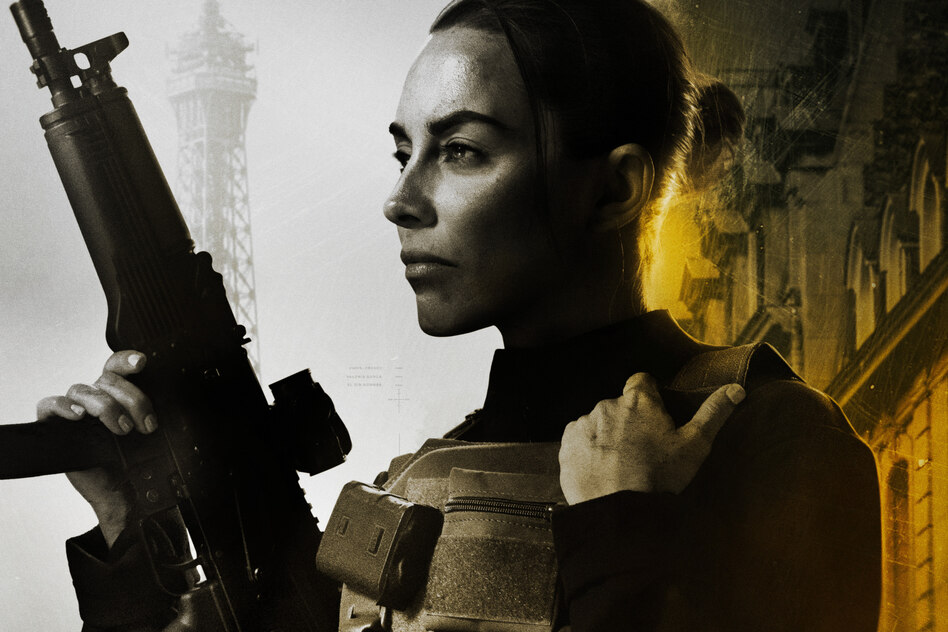
For its finale of the newly launched “Modern Warfare” brand, the video game series “Call of Duty” is relying on big names: none other than “Hannibal” actor and ex-Bond villain Mads Mikkelsen plays the antagonist, North Korea is waging war against its southern neighbor, the (Western) cult characters of the series – Captain Price and Ghost – are fighting each other. In particular, the captain, who has a full beard, is portrayed as a popular figure with his personal vendetta. “Call of Duty: Modern Warfare 4” therefore fits into the icy US climate of vigilante justice, where the paramilitary is particularly widespread in the south. But the potential for moral questions about whether the end justifies any means, no matter how murderous, is hardly exploited.
The “Call of Duty” brand has always stood for brutal American propaganda. There are reasons for the radical, apologetic attitude towards any military US intervention - state or secret -: the game series works closely with the U.S. Army together and is even partly financed by it. It is not surprising that in previous games, US war crimes such as the “Highway of Death” committed in 1991 are simply blamed on Russia. The latest offshoot may not be quite as revisionist, but there are still no doubts about the US military or Bellicism as a solution.
“Call of Duty: Advanced Warfare” from 2014 already featured a North Korean invasion, as did “Homefront,” which has been forgotten since 2011. This time the framework gives the characters of the self-proclaimed “Democratic People's Republic of Korea” more depth. However, the view of the country and how its leadership and conflict with the South arose remains superficial.
In addition to the Korean locations, players end up in Paris or snow-covered Times Square. Graphics fetishists will be happy about the details, others will be disappointed by the changes that are manageable in terms of gameplay: the close combat may be more dynamic and designed to counter attacks, but otherwise it remains the all-too-familiar: shoot, duck, reload. The level of violence is high, but not shocking in times when the front lines of Russia's war of aggression against Ukraine can be followed via live stream.
The momentum that “Call of Duty” once brought to the killer game debates seems to have finally been exhausted, even if German journalism tries to revive it cyclically. It would be more appropriate to discuss the fact that the game series all too often publishes unfinished, faulty and yet high-priced spin-offs.
In contrast to its predecessors from the last two years, “Call of Duty: Modern Warfare 4” is at least a finished product and not a fragment produced under massive time pressure to improve the quarterly figures in time. Instead, the game tells the campaign in around eight hours, much longer and, despite many, sometimes absurd storylines, better than those of the last two representatives. The multiplayer mode keeps what it always promises - expensive microtransactions, constantly high game speed, claustrophobically narrow areas - and has a certain addictive potential.
Nevertheless, “Modern Warfare 4” is just the equivalent of the typical popcorn blockbuster. Suggested moral conflicts remain a shadow. Anyone who doesn't want to think for themselves or interact excessively with the game will be well entertained here.