
Germany taz
Boat accidents off Crete: “Those who seal off routes do not stop escapes”
The number of fatal shipwrecks is increasing in Greece. The blame for this lies with Frontex and the EU's isolation policy, say human rights activists. more...
Deutsch (original) ·Auto-translated to English
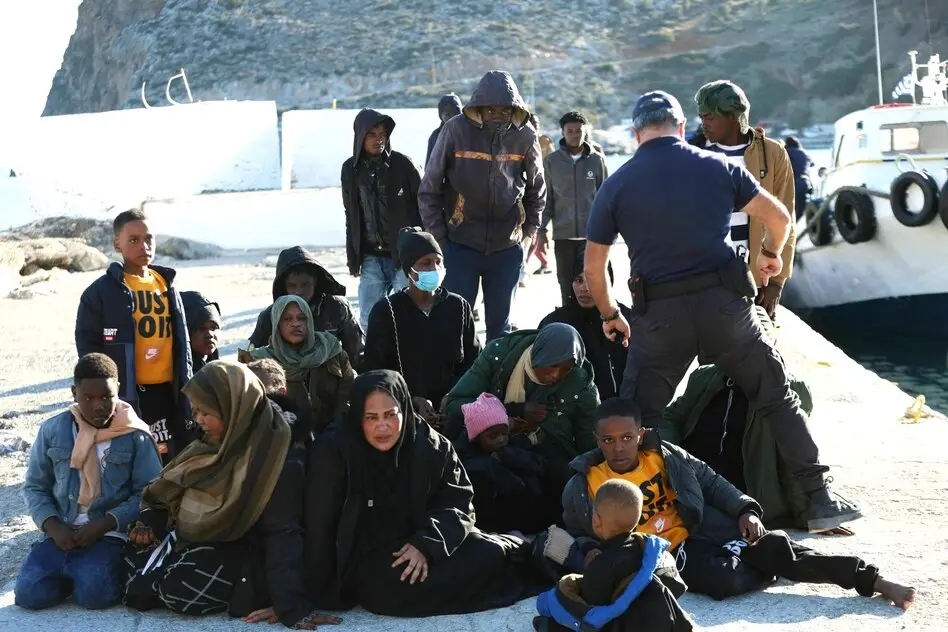
More people are dying off the Greek coast again. Last weekend alone, several boats got into distress. At least 22 refugees died and 215 were rescued. Two other people are still missing. Although the total number of refugees arriving in Greece fell in 2026, Crete is recording a sharp increase in arrivals. By the beginning of November, over 22,500 people had arrived on the island - almost 3,000 more than the previous year.
Figures from the UN refugee agency UNHCR confirm that more people have fled to Greece by sea in recent weeks. In October alone there were almost 7,000, the highest number since November 2024. Most refugees now take the dangerous route from Libya to Crete. According to the UNHCR, around two thirds of them come from Sudan and Bangladesh, which were devastated by civil war. In Libya, many waited in terrible conditions for passage to Crete. “During our flight and ship operations, we document how Libyan militias kidnap fleeing people and force them back to a country where torture, imprisonment and slavery are part of everyday life,” the civilian sea rescue organization Sea-Watch told the taz.
By the end of 2024, most refugees came to Greece via the Aegean Sea from Turkey. That changed in June 2025. Since then, the majority of people have come via the dangerous route between Libya and Crete, which is 350 kilometers as the crow flies across the open sea. The often overloaded and unseaworthy boats quickly find themselves in distress during the autumn storms. If they don't capsize, people often have to wait for days without water or fuel to be rescued.
According to Greece's Minister for Migration, Thanos Plevris, the number of refugees in the Aegean Sea will have fallen by 70 percent in 2026 due to increased cooperation with Turkey. In addition, there is the already high presence of the navy and coast guard due to the ongoing geopolitical tensions between the two countries. The relocation of the route to the Libyan Sea is primarily related to the upgrade of the Greek coast guard and the EU deportation agency Frontex, which patrol intensively in the Aegean.
The Frontex budget for airspace surveillance was increased from 11.7 million euros in 2018 to 278.6 million euros in 2026. Human rights organizations have been criticizing for years that the armament at the EU's external borders does not combat the causes of flight, but rather that the complete surveillance only makes it impossible to travel on shorter escape routes and forces refugees to use longer, deadly routes. “Those who close off routes do not stop escapes, but rather make them more deadly,” says Sea-Watch.
"Frontex is turning the Mediterranean into one of the most closely monitored seas in the world and into a deadly trap. With its drones and aircraft, the agency finds boats in distress, but instead of rescue, they are kidnapped to Libya or die by drowning," Sea-Watch continues.
For Lefteris Papagiannakis, director of the Greek Refugee Council in Athens, the EU border authority is not alone responsible for the changed escape route. “This is also due to Greece’s active deterrence policy and the hostile presence of its coast guard,” he told the taz. That's why people are now trying to get from Libya to Crete, says Papagiannakis, where this presence is smaller. “The Greek government has been convicted of pushbacks and yet continues to carry them out,” he said.
In 2025, Greece was convicted by the European Court of Human Rights for pushbacks of those seeking protection. Even internal Frontex investigations showed serious violations by the authority in the Aegean. “There are also known deaths associated with failed rescue operations or failed pushbacks.” For example, the Pylos disaster, in which over 600 people died on June 14, 2023. 21 coast guard officers are therefore charged.
Non-governmental organizations that work with refugees are under great pressure in Greece. “We are described as criminals, as traitors to the fatherland, as provocateurs of Türkiye, as a threat to national security.” In addition, there are financial problems caused by budget cuts and the radical cuts in US development aid in 2024. “The UNHCR office in Greece will have zero euros available to operate in 2027,” says Papagiannakis. The situation under the Mitsotakis government is now almost unbearable for refugees. “And it’s going to get worse,” Papagiannakis said.