
Germany taz
Operating license for the first final repository: Finland gives the green light for nuclear toilet
While the search is still underway in Germany, Helsinki approved the first final repository for highly active nuclear waste. There are a number of unanswered questions. more...
Deutsch (original) ·Auto-translated to English
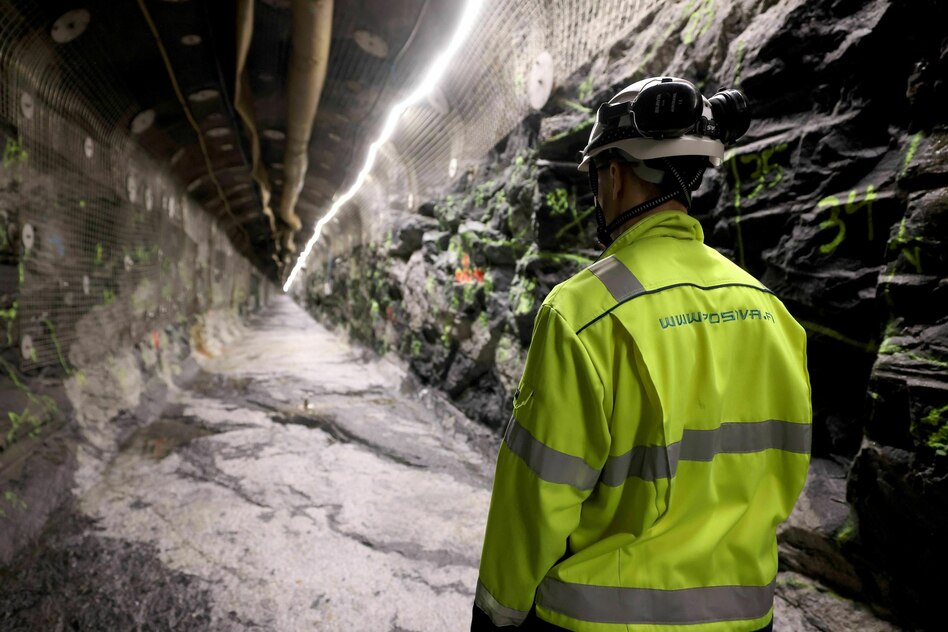
Last week, Finland became the first country in the world to approve the commissioning of a final repository for highly radioactive spent fuel. Environment and Climate Minister Sari Multala spoke of a “historic step”. The Onkalo repository, whose construction began in 2004, is located near the Olkiluoto nuclear power plant on the Finnish west coast.
Posiva CEO Ilkka Poikolainen made it clear that the approval has now been given does not mean that we will immediately start storing nuclear waste: “There will be further tests in collaboration with STUK.” The final storage facility will only be put into operation after all safety aspects have been examined. According to current plans, the spent fuel and other highly radioactive waste will be stored over the next 100 years and the storage facility will then be closed.
The permit applies to radiation waste from the current five Finnish nuclear power plants. At times there was discussion about importing and disposing of foreign nuclear waste, but this has now been ruled out by law. According to Minister Multala, only temporary treatment and interim storage of foreign radioactive waste would be permitted, for example to seal it in final storage containers and then transport it back to its country of origin for final storage.
There has been a controversial debate among scientists for years about how corrosion-resistant these capsules are. Ultimately, they and the bentonite must prevent radioactivity from reaching the groundwater. There are only theoretical calculations and no long-term tests under realistic conditions, critics complain and point to studies that show corrosion could question the durability of the capsules after just a few hundred years.
The Greenpeace study “Rock Solid?” published in 2025 warns that the mechanisms of corrosion are “not yet fully understood”. Above all, there are “concerns about how complex chemical interactions between the components of the repository (e.g. cement and clay) under the extreme conditions prevailing there (intense heat and radiation) could increase corrosion.” The authors fear that this could happen “at the interfaces between the different repository materials”. This could lead to radionuclides entering the groundwater much more quickly.