
Germany taz
Elimination of uncontrolled growth on the tracks: Deutsche Bahn wants to spray glyphosate again
The railway had said goodbye to the plant poison. Now she wants to use it again from 2027 to keep railway lines free of weeds. more...
Deutsch (original) ·Auto-translated to English
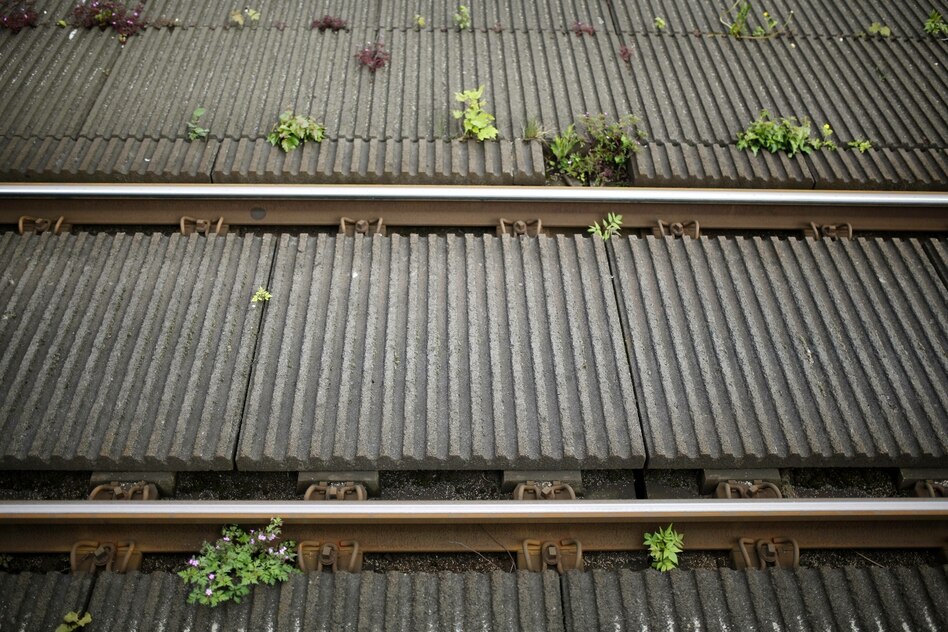
Deutsche Bahn stopped using glyphosate in 2023. Now the railway subsidiary InfraGo has submitted an application to the Federal Railway Authority to use glyphosate again. If the office agrees, a third of the route network could be treated with glyphosate again from next spring.
Bayer's plant poison, which is sold under the trade name Roundup, is classified by the World Health Organization as "probably carcinogenic to humans." In 2018, Bayer bought the then manufacturer Monsanto. A 2000 study that classified glyphosate as harmless was officially retracted last year by the journal Regulatory Toxicology and Pharmacology. The reason for this was, among other things, potential conflicts of interest of the authors.
A spokeswoman for DB InfraGo describes the less environmentally harmful alternative pelargonic acid as “inadequate”. The use of this agent was not sufficient to “effectively keep tracks, switches and signals free of plant growth”. Heavy vegetation could impair the view of the signals, restrict escape routes or make maintenance work more difficult.
Mechanical removal of the weeds would in turn require a lot of personnel and lead to blockages in sections of the route, said InfraGo. The railway spent 60 million euros on so-called vegetation control in 2025. In 2020, when she was still using glyphosate, it was 9 million euros.
Jan Pehrke, spokesman for the Coordination against Bayer Dangers (CBG), is disappointed by Deutsche Bahn's move. The French railway company SNCF shows that there is another way. SNCF has been working without glyphosate since 2021. “The French provider works with geotextiles or grows plants with shorter roots themselves so that the track bed cannot soften,” says Pehrke. Geotextiles are laid under the gravel of the railway line. They are permeable to water and stabilize the track bed.
“The railway speaks of higher costs, but there are also social costs,” says Pehrke, referring to the costs of treating cancer. The costs to nature should not be underestimated either. The Federation for the Environment and Nature Conservation (BUND) considers Deutsche Bahn's decision to be fatal. “Glyphosate damages biodiversity,” says Daniela Wannemacher, land use team leader at BUND. It demands a maximum restrictive approval from the Federal Railway Authority, provided that it agrees to DB's application.
The Austrian Federal Railways (ÖBB) also consciously decided to phase out glyphosate use in 2022. The railway company has now started using the plant poison again in clearly defined areas. In the long term, the alternative methods are not sufficient to keep the area along the tracks clear, says ÖBB spokesman Daniel Pinka. This could result in increased risks of slipping and accidents for employees.
“Thermal and electrical methods are at an early stage of development and are not yet suitable for railway use for various reasons,” says Pinka. It fails due to a lack of approval and insufficient effect. “Hot water, for example, has a good effect when used repeatedly,” says Pinka. However, this method requires a lot of energy and water.