
Germany · taz · · 1h
Architect de Meuron about the Elbphilharmonie: “What impressed me was the great will of the city”
Deutsch (original) · Auto-translated to English
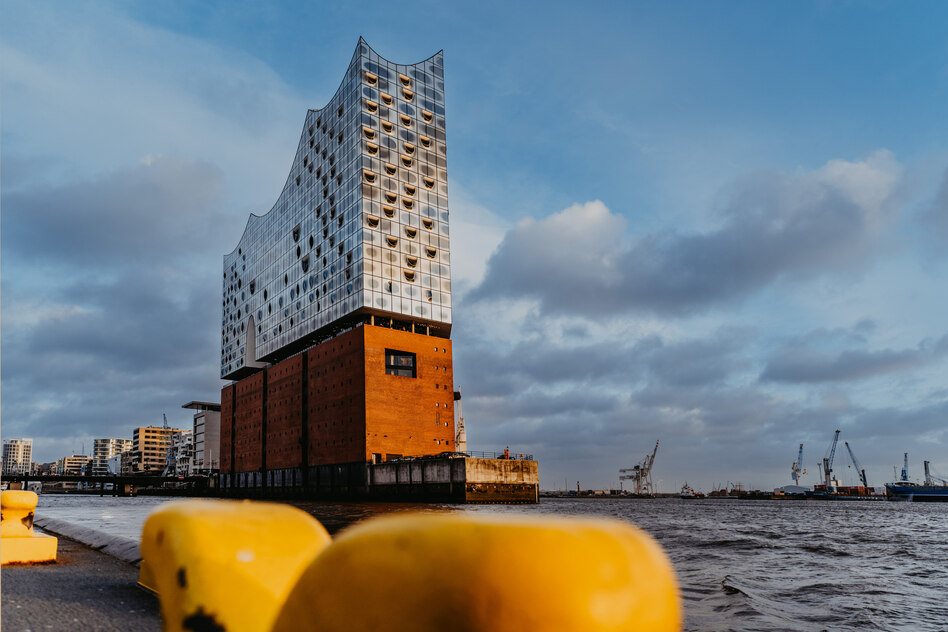
taz: The Elbphilharmonie is ten years old. When you come to Hamburg and see the building: what do you feel?
Pierre de Meuron: I feel great joy. The Elbphilharmonie is a house for everyone – and its success confirms everything that was conceived, drawn, planned and ultimately built back then.
is a Swiss architect. In 1978, together with Jacques Herzog, he founded the award-winning architectural firm Herzog & de Meuron in Basel, which plans and builds buildings and urban projects worldwide, including the M+ Museum in Hong Kong, the Tate Modern in London, and the Berlin Modern. Ten years ago, Herzog & de Meuron completed the Elbphilharmonie in Hamburg.
taz: On October 31, 2016, the word “FINISHED” shone on the glass facade. Which word should shine today?
taz: From October 5th, a visit to the Plaza costs 5 euros. A place that was once intended as a freely accessible public space is now partly commercialized. In your opinion, is this understandable or a contradiction to the original idea?
de Meuron: No, I don't see any contradiction in that. You can still visit the Plaza - nothing will change. Even a landmark like the Eiffel Tower in Paris is open to the public and you still have to pay an entrance fee. The entrance fee doesn't make the Plaza an exclusive place, but rather keeps it accessible - and at what I think is a reasonable price.
taz: Hardly any other German cultural building has sparked such heated debates before its opening. Have you ever doubted that the Elbphilharmonie could one day become a generally accepted landmark?
de Meuron: You never know how a building like the Elbphilharmonie will ultimately be accepted by the population. And as you know, this house had a very eventful history. What impressed me from the start was the city's great, noticeable will to make this house possible. On our side, we knew that it was a strong design, but the house only became a landmark because of its users: because the building not only functions as a concert hall, but has also become a place that many people visit in everyday life and associate with Hamburg.
taz: When does a building no longer belong to the architect but to the people who use it?
de Meuron: From the moment it opened. This is one of the greatest moments for us architects: when people enter the house and make it their own.
taz: Have you experienced situations in your career in which you questioned or even rejected an order for ethical reasons?
de Meuron: When Russia invaded Ukraine, we reacted and stopped our Russian projects. It is part of the culture of our office that we always want to understand exactly in which political environment and in which cultural context a project should be created; Our decisions also depend on this.
taz: The construction industry is one of the most resource-intensive industries of all. How do you as an architect deal with the contradiction of wanting to create spaces on the one hand and inevitably causing environmental waste on the other?
de Meuron: The Elbphilharmonie stands on an existing building, the former Kaispeicher A. So no new location was built, but an existing location was further developed - and a previously rather inanimate area was upgraded and made attractive. This shows that ecological responsibility and urban development impact are not mutually exclusive, but can complement each other. The Tate Modern London is another example; The original oil power plant became the museum for modern and contemporary art. Since its opening, the building has fundamentally transformed the area and surrounding area on London's South Bank. The museum transformed an abandoned industrial area into a vibrant cultural center. When it comes to resources, it's always about the right amount. In addition to the ecological response, architecture must always find a social and economic response, with the creation of social spaces being central, especially in cities. You shouldn't just think about it in the short term - quality, durability, good public spaces and long-lasting materials create high, sustainable added value in the long term and avoid follow-up costs.
taz: Architecture is one of the few arts that often outlives its creators. What does it mean to you to know that your buildings will last beyond your own lifetime?
de Meuron: First and foremost, this means a great responsibility. We want to realize projects that last, that can be used for a long time, but that are also designed flexibly enough that they can change over the years. Maybe an office building will become apartments, a museum will become a university? Who knows. We want to build fundamentally sustainably – in a very comprehensive sense.
taz: What would you be more pleased about: that the Elbphilharmonie still looks the same in a hundred years as it does today or that it has developed further through new uses and renovations?
de Meuron: The Elbphilharmonie should continue to develop while remaining vibrant. The music world also has to change in order to continue to attract a broad audience, especially younger people, to concerts. The relationship between music, audience and space should be thought of in a new and unconventional way. I think that the Elbphilharmonie, especially the Great Hall with its central stage, is ideal for this, both today and in the future.
taz: If someone stands in front of the Elbphilharmonie in a hundred years and knows nothing about Herzog & de Meuron: What should this building tell that person?
de Meuron: Come upstairs and enjoy the breathtaking all-round view and experience magical music experiences together!
Read the full story at the source
Source: taz