
Germany taz
“Ali G” comeback: cartoons that could have come from Fox News
Sacha Baron Cohen's "Ali G" comeback turns out to be a flop. His humor has aged poorly. more...
Deutsch (original) ·Auto-translated to English
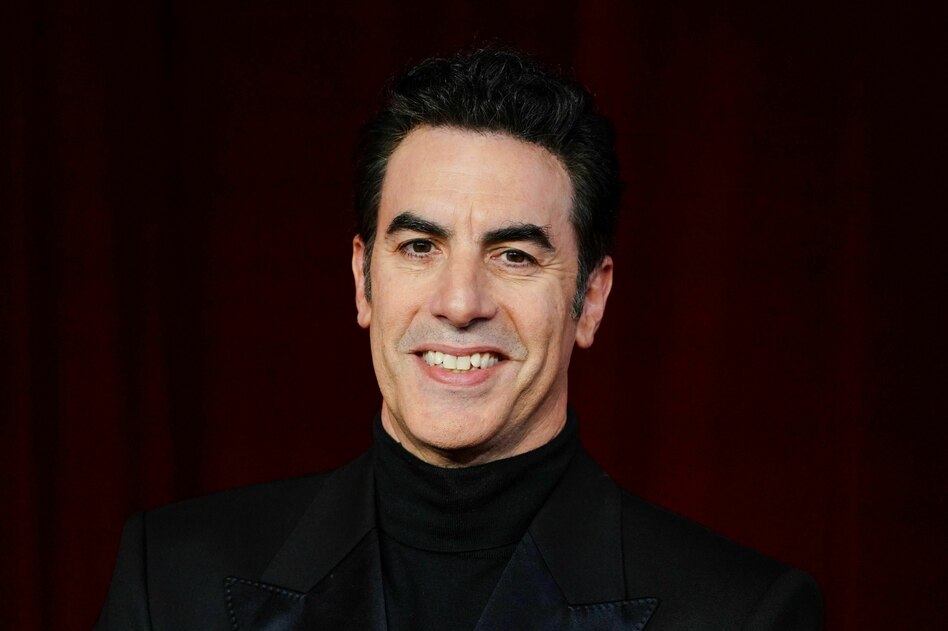
The film has been in German cinemas for less than a week and can already be seen on a major streaming service. This marks the comeback of comedian Sacha Baron Cohen with his fictional character “Ali G.” as a flop.
The 55-year-old returns to his beginnings: He began his career in the early 2000s with the role of a goofy suburban rapper; in his “Da Ali G Show” he conducted absurd interviews with politicians and celebrities in order to present them with seemingly naive questions. One of his first victims: a certain Donald Trump.
Even when his first feature film “Ali G in da House” was released 24 years ago, there was criticism that his humor was racist. Cohen made fun of the originally black and now long-globalized hip-hop culture and corrupted Jamaican rap patois. Some saw it as a modern form of “blackfacing,” which was used by white Americans in the 19th century to make fun of black people by painting themselves black.
Cohen celebrated his greatest successes with his mockumentaries, especially “Borat” (2006). As a supposedly Kazakh reporter with a distinctive mustache, he stumbled through embarrassing everyday scenes and presented his unsuspecting interlocutors with a hidden camera in order to expose their prejudices. The Kazakh government was not happy that Cohen portrayed their country as backward, anti-Semitic and primitive. A Romanian Roma village also felt deceived and filed a lawsuit against being portrayed as thieves and misogynists in the film, but the lawsuit was dismissed by a US court.
Cohen was no longer able to build on this success with his later films. His successor “Brüno” was annoying with clichés about gay sex and brutal fecal humor. And his comedy “The Dictator” from 2012 left a questionable aftertaste, as it could certainly be understood as a humorous justification for violent “regime changes” after the brutal US wars in Iraq and Libya.
Middle Eastern potentates such as Saddam Hussein and Muammar al-Gaddafi offered plenty of material for humorous exaggeration. Looking back, however, it is striking how much Cohen liked to use stereotypes about Muslims in his films.
Given the absurdities of the Trump era, which began almost ten years ago with his first presidency in 2017, his satire often seems dull and outdated by reality. And in view of the hatred and malice with which right-wing populists campaign against everything they consider to be “woke”, his “bothsideism”, which he uses against right-wing racists and supposed left-wing moralists alike, seems a bit out of date.
This is also evident in his new “Ali G” film. Its second main character is a “woker” professor of gender studies with the absurd name Dr. Nira Cain-N'Degeocello, who is also played by Cohen. Of course he wears a keffiyeh and therefore wants to “cancel” Ali G, whom he accuses of “cultural appropriation” – the caricature of a left-wing academic that could have come from the right-wing inflammatory channel Fox News.
In his attempt to caricature supposedly humorless moralizers, Cohen himself comes across as humorless and flat.