
Germany · taz · · 49m
Agricultural expert on food: “Conventional products must become more expensive”
Deutsch (original) · Auto-translated to English
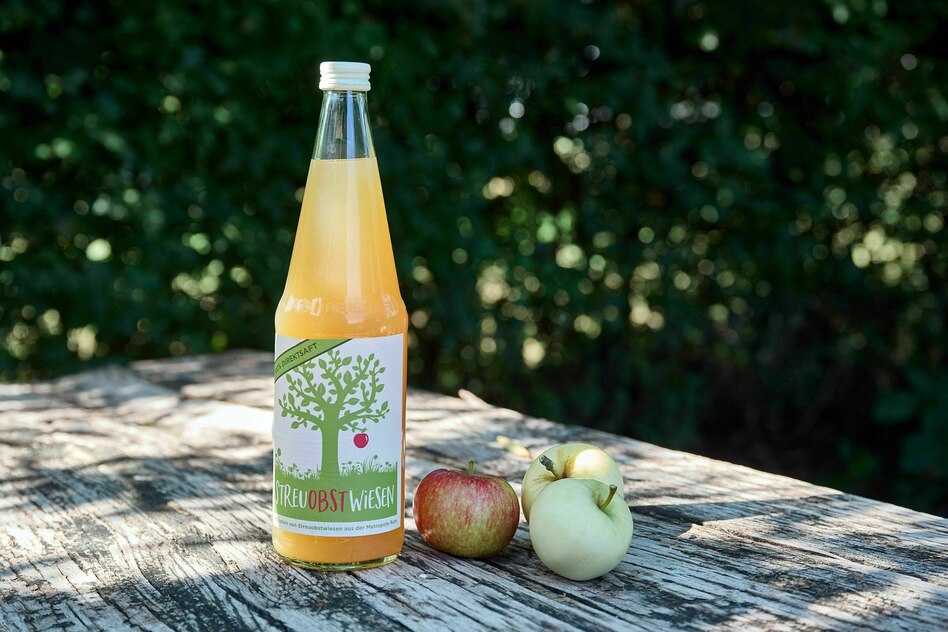
taz: Mr. Böhm, a common sales platform for small producers of orchards: Is this a merger with a future?
Michael Böhm: Cooperation is a very important instrument in order to be sustainable: cooperation on a horizontal level, i.e. between agricultural companies, keyword bundling of quantities. But also vertical cooperation between orchard owners, cideries and even the point of sale. This can be the farm shop or the food retailer.
taz: The Ministry of Consumer Protection in Baden-Württemberg wants to create framework conditions that ensure that 30 to 40 percent of the agricultural area will be cultivated under ecological conditions by 2030. What kind of framework conditions do these have to be?
Böhm: These can be funding instruments that start exactly where there are difficulties. For example, in the paragraph about canteens, hospitals and schools. This hasn't been given much attention for a long time. Canteens often need processed products. And if they are processed in the region, then these processing plants also serve other sales channels, for example food retailers.
taz: What role do discounters and food retailers now play in selling sustainable products?
Böhm: Conventional food wholesalers, which include Rewe, Edeka and drugstores, play a significant role because they take up two thirds of the organic market volume. It is an important source of sales.
taz: Does the discounter water down the organic product?
Michael Böhm is an employee at ecocept, a consulting firm for sustainable agriculture, and an expert
for the promotion and development of value chains and supply relationships.
Böhm: No, it doesn't dilute the image because most organic products, even in the discount, are certified by the organic associations and they meet similar standards as a product that I can buy in the farm shop. The basis is always the EU-wide organic regulation. But in the farm shop I have properties about the product that I will never get in a discounter. This is authenticity, proximity to the producer, and often exclusivity.
taz: Is the sales volume of direct marketing increasing?
Michael Böhm: Farm shops and vending machines work particularly well in tourist areas. We looked at whether direct marketing for organic products is more important overall in the period 2021 to 2024 and the increases in sales are clearly visible. Sales now amount to 10 percent of the entire organic market.
taz: Organic production also aims to transform agriculture. However, networking between producers alone will not save orchards, for example.
Michael Böhm: Right. It is also about rewarding the environmental services that I have as a producer in certain production methods. And the orchard is a good example because with an orchard with standard trees I can provide environmental services that other fruit growers cannot provide. Keyword biodiversity. That is why we believe that many agricultural products are too cheap given the environmental damage they generate or the environmental services they do not provide. And when I look at the price structure, from our point of view it is not the case that organic has to become cheaper in retail, but that conventional products would have to have a higher product price if the environmental costs they cause were taken into account. That would be a breakthrough for all those who operate regionally because they would then be more competitive with industrial production.
Read the full story at the source
Source: taz