
Germany · taz · · 1h
50th anniversary of Maya the Bee: The energetic insect
Deutsch (original) · Auto-translated to English
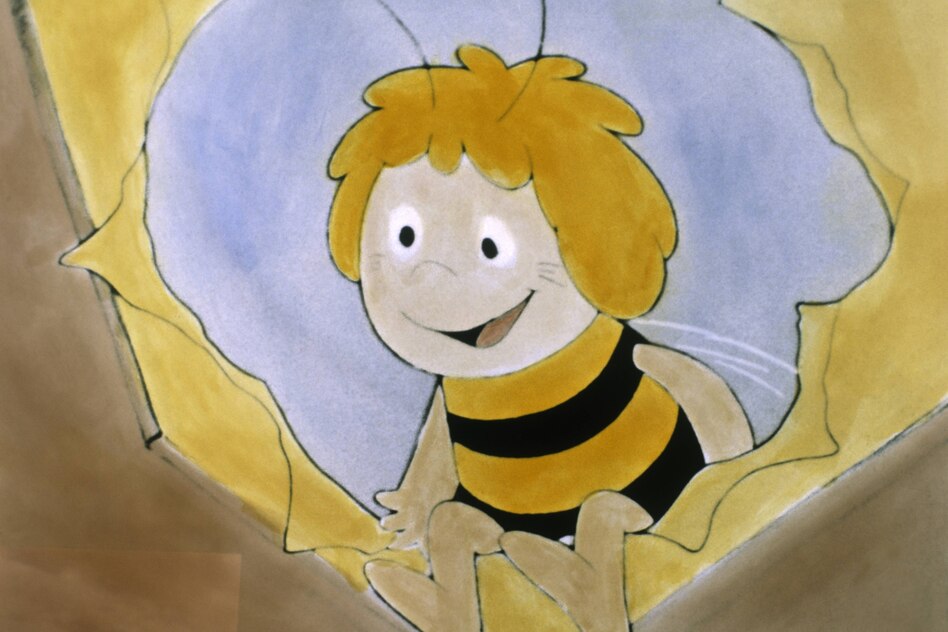
Fifty years ago there were no bee deaths. On the contrary: apart from losses caused by the lousy tracheal mite, honey bees lived longer and buzzed around in larger flowering areas. And not only that: the bees were given a heroine whose appeal lasts to this day: On September 9, 1976, the first episode of the animated film series “Maya the Bee” was shown on ZDF.
In the episode “Maja is Born,” baby bees tear down their honeycomb walls and find themselves stunned in the arms of jubilant bee nannies. Only one honeycomb remains closed for the time being: "Is there no one here? And it won't open here either... well that's off to a good start!", a child's voice can be heard complaining.
The protagonist probably needs an extra invitation: Miss Kassandra, a teacher bee, brings her into the swarm and, as a thank you, Maja bombards her with questions. "Why did you call me Maya? Why do bees gather in a swarm? Why don't you explain it to me?" and, already accusatory: “How am I supposed to learn something for life if no one explains anything to me?!!”
The energetic insect was made suitable for television in 1976 by the Japanese animation studio “Nippon Animation” on behalf of ZDF. The template was the main character of the most successful book “Maya the Bee and Her Adventures”, published in 1912, by the anti-Semite and later National Socialist Waldemar Bonsels.
In Bonsels' book, too, Maja is already blessed with that childlike curiosity, but also openness, which later in the animated film leads to a close, naturally platonic, gender-independent friendship with the goofy Willi, who more or less stumbles after his strong female heroine. And thus enchanted the German GenX children's rooms. Because we had nothing else, just Maja, Heidi, Wickie and fathers drinking beer.
But not everyone liked “Maja”. The film and literary scholar Rolf Giesen claimed in 2014 that the bee symbolizes “Goebbelian animation dramaturgy” due to its origins in the head of an ardent National Socialist. He justified it in a podcast by saying that in its original book version in 1940 it should have been the flagship of German animated films or the “cartoon star of the Third Reich”.
He described the Maya world as “vulgar Darwinian”, criticized the ant colony, which operates based on a military model, and criticized the alleged lack of antagonists in a “world of boredom” – also in the 70s animated version. Everything is “clean, good and non-violent”; However, presenting children with something like this is not helpful in dealing with conflicts.
Maja's meadows are teeming with conflicts and enemy images, even in the truest sense of the word: Maja is threatened by the spider Thekla and is constantly attacked by malevolent swarms of hornets and wasps. And the bee is not alone. It's a similar story with Heidi, Wickie, Pinocchio and Sinbad, who demonstrably spreads Arabic clichés.
Without his clever son, the Viking leader Halvar would have had to surrender to the “terrible Sven” long ago. However, the assumption, supported by educational research, is that children of preschool age first need the restoration of the “perfect world” after they have overcome danger. Ultimately, the aim is to convey confidence and the promise of being able to overcome obstacles.
Animated series with spirited protagonists like Maya the Bee or Heidi can do a lot of good, not just through exemplifying inclusion with the physically handicapped Klara, Heidi's friend from Frankfurt, for whom a barrier-free opportunity to advance to become a grumpy, nice alpine farmer is even devised.
However, it is still a shame that growing up with Maya the Bee and the like did not lead to a greater environmental awareness and understanding of the need for biodiversity in this generation. Maybe the know-it-all grasshopper Flip shouldn't have done the mansplaining for Maya the Bee. The Augsburger Puppenkiste thought it up more cleverly back then: There is hardly a more charming and people- or creature-friendly squatter than the “Cat in the Hat”.
Read the full story at the source →
Source: taz