
World taz
20 years of “Back to Black” Amy Winehouse: There’s still something left in the beehive
In 2006, British singer Amy Winehouse caused a sensation with her album “Back to Black”. A personal look back at that time. more...
Deutsch (original) ·Auto-translated to English
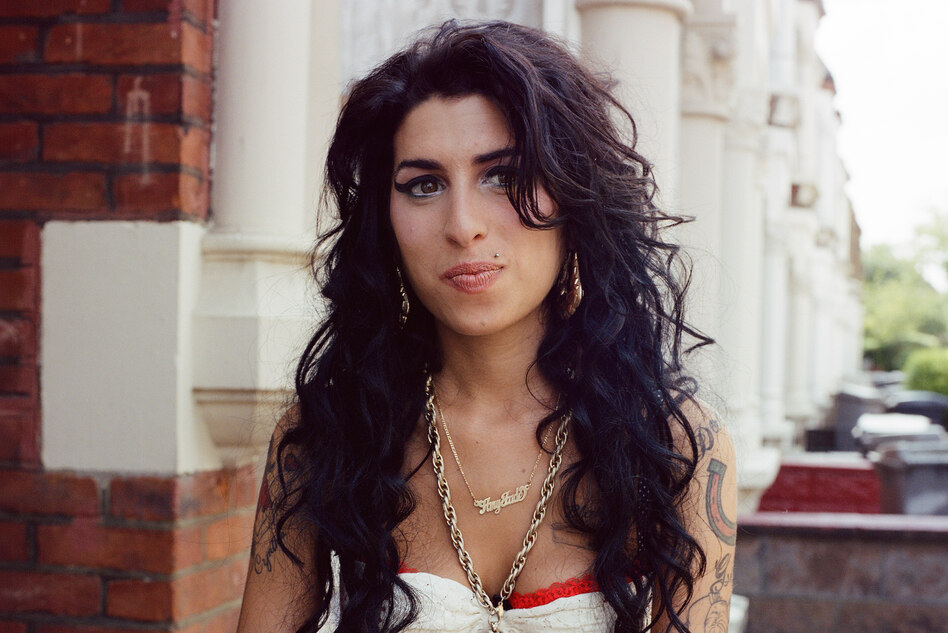
“What kind of fuckery is this?” one would like to exclaim with one of Amy Winehouse’s funniest neologisms. 20 years ago, on October 27, 2006, their album “Back to Black” was released, and now, to mark the occasion, an anniversary package with three transparent vinyl LPs is coming onto the market, which, in addition to the original studio album, contains previously unreleased demos and rare single B-sides as well as a recording of a live performance in Amsterdam from February 2007. The whole thing is garnished with “brand new alternative cover artwork” and handwritten lyrics in Winehouse’s original Artist steal, previously unpublished photos, liner notes, touted with lots of theatrical reporting embargoes and promotional celebratory phrases.
Fuckery, of course, because “Back to Black” needs no addition, no re-something. The eleven songs produced by Mark Ronson and Salaam Remi in the neo-northern soul sound still stand on their own today. The shaky “I won’t let my beautiful alcohol addiction be treated away” defiant song “Rehab” still puts you in a good mood, neither Lola Young nor other contemporary Winehouse epigones have come close to achieving this kind of performance.
Feeling good is followed by the remorse comedown “I’m no good” with this heavily stumbling rhythm and a memorable brass arrangement: “You shrug and it’s the worst / Who truly stuck the knife in first?”, ba-ba-ba-baaam, ba-ba-ba-baaam, the upbeat beat stands at odds with the self-destructive lyrics and the desperation expressed therein of simply being too bad a person for great love.
Darkest feelings in the sound of Motown: When “Back to Black” was released, Winehouse’s lost neo-soul voice resounded through the musical landscape like the damn trumpets of Jericho. For me it came at just the right time. After years of musical boredom; Madonna's album Confessions on a Dance Floor was just a year ago. Although “Hung Up” was a monster hit, the Madonna of the noughties somehow also exuded a neoliberal desperation: a pop heroine of my youth threw herself back onto the market as a gym-hardened, face-lifted caricature of herself.
This depressed me no less than my two indie role models Lydia Lunch and P. J. Harvey, who continued to rage in their post-punk screaming and guitar niches as if the eighties and nineties had never ended. But they were, and the millennium that had just begun felt rancid again: the dot-com bubble had burst, rents were getting more expensive, clubs were closing, the dancehall hype that enlivened Berlin in 2001 around Seeed's debut album "New Dubby Conquerors" with Jamaican-inspired rhythms and patois lyrics with a Berlin snout was exhausted in copies.
When the Iraq War broke out and Germany reinvented itself as a friendly “Schland” flag host at the World Cup, I found short-term musical consolation in Jan Delay, who made funk and soul shine in German with “Mercedes Dance” and brought at least a bit of humor along with blaring trumpets. I looked for destructive compensation (the punk in me longed for a bad mood every now and then) in the Babyshambles, who with “Fuck Forever” shot down everything that demanded normality in a good mood and well-groomed manner. Unfortunately, Pete Doherty turned out to be an unpleasant Druffi at the concert with a disappointingly boring, broad sound.
Amy Whinehouse: “Back to Black” (Island/Universal)
And then this strangely dressed beehive-haired lady from England came who I really wanted to see on stage. Tiny but loaded, for better or worse. I once managed to get a ticket, but as is often the case, the concert was canceled (probably due to alcohol or drugs). But the great record remained: On “Back to Black,” the still young Winehouse sang about crashes, toxic relationships, drunken sex escapades and subsequent self-hatred in the voice of a mature soul diva. Of course, she wrote the lyrics herself: “What kind of fuckery we are / Nowadays you don’t mean dick to me,” she sang in a street-mouthed way – and yet lay down crying “on the kitchen floor” when she had once again messed up with love.
The melting signature retro sound that Mark Ronson had given her would probably have been unbearable with a sweeter female voice, but it provided the perfect backdrop for Amy Winehouse's raspy voice and her wild lyrics. “Back to Black” was playing everywhere in a very short time: on the radio, in the club, at home, on all dates. You could start lively with “Rehab” and “Me & Mr Jones” and then switch meaningfully to “Back to Black” (“We only said goodbye with words / I died a hundred times”) - in my favorite bar in Kreuzberg it could sometimes happen that the regulars were in each other’s arms late at night to “Love Is a Losing Game”.
The fact that not much followed after “Back to Black” and the tour marked by ups and downs is music history: Amy Winehouse died of alcohol poisoning in 2011 at the age of just 27 and after releasing two albums. The desperation of the fans and their record company led to the first tribute album “Lioness: Hidden Treasures” in 2011. So now even more “hidden treasures” just in time for the Christmas shopping season?
Clearly this is a commercially motivated revival. But in contrast to the eternally touring “Tribute to Amy” show, which tries with a lot of mummery to imitate the “original”, it’s also a nice one: the anniversary package contains the huge hit “Valerie” from 2007, in a wonderfully clean live version for the BBC. And a few other pretty finds. For example, the original demos of “I’m no Good” and “Me & Mr Jones”, which was originally called “Fuckery” and, with a heavy, sluggish beat and reverberating trip-hop clips instead of the Motown background choir, wasn’t nearly as cool as the album version.
The discarded version of “I’ve Been Drinkin’ – Just Friends,” on the other hand, sounds more upbeat than on the album, but just as expressive. There are actually a few gems there, like the neo-soul tracks “Close to the Front” and “Do Me Good,” in which Winehouse sounds vocally virtuosic and almost carefree. The live set from the “Paradiso” in Amsterdam is also a listening pleasure - one of the rare concerts where Amy Winehouse was able to fully exploit her incredibly expressive and versatile voice.
And the four ska songs? As early as 2008, Rolling Stone wrote about a Winehouse EP with cover versions: "The three interpretations of the specials sound mostly terrible: 'Monkey Man' could be used for torture purposes, 'Hey Little Rich Girl' and 'You're Wondering Now' aren't much better either. Much more successful: Sam Cooke's 'Cupid'. But the cover design is great!"
Ska may not have been her forte. And yet: I'd rather be tortured by Amy Whinehouse than anyone else.