
World Pressenza
Toxics Watchdog Reminds Consumers to Be Cautious of Hazardous Chemicals in Halloween Toys
“Don t let toxic chemicals turn your trick-or-treating into a scary nightmare!” This was the statement from BAN Toxics as stores began displaying spooky items for kiddie Halloween shopping. The toxics
English (original) ·Read in Deutsch ⇄
“Don’t let toxic chemicals turn your trick-or-treating into a scary nightmare!”
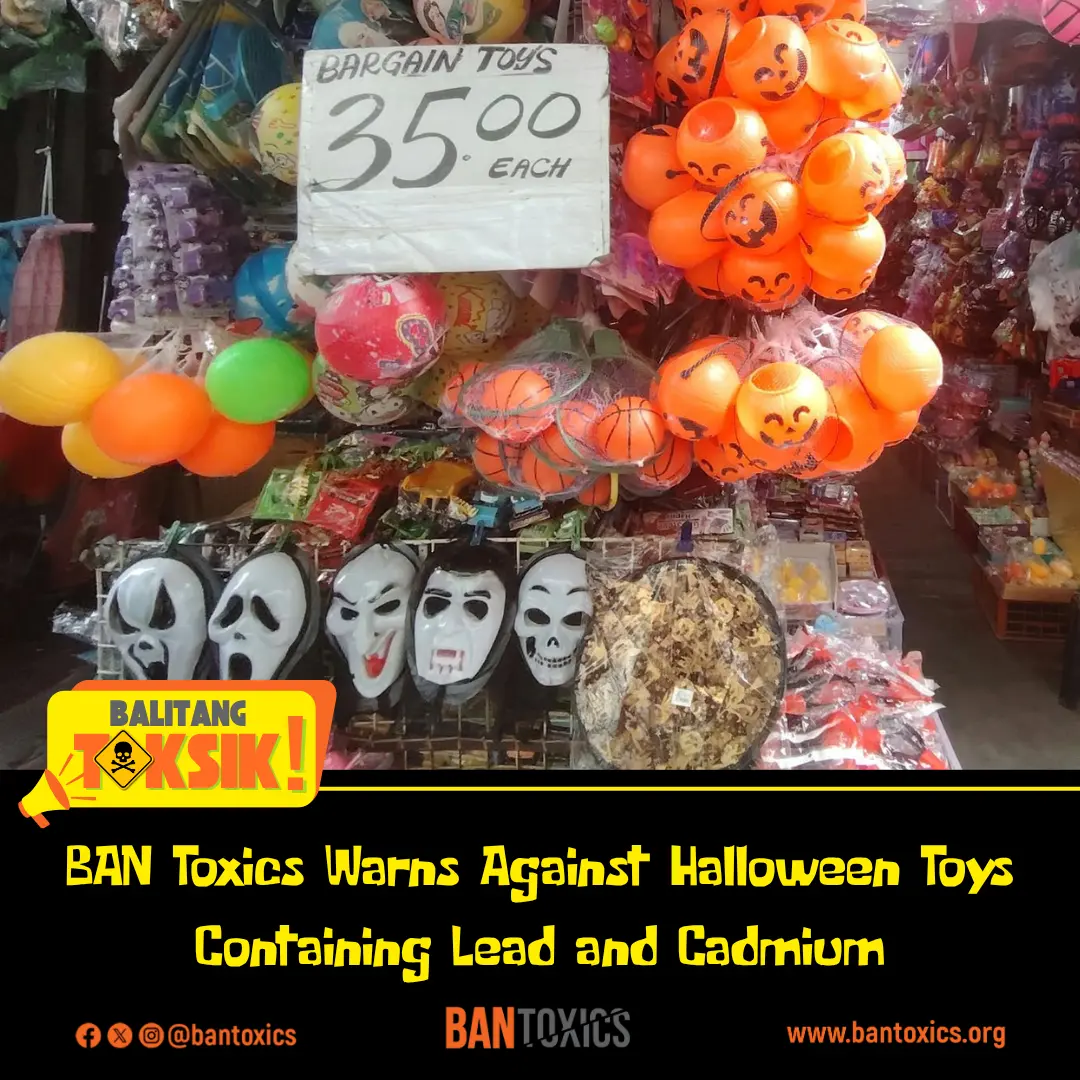
This was the statement from BAN Toxics as stores began displaying spooky items for kiddie Halloween shopping. The toxics watchdog cautioned the public against buying Halloween costumes and decorations that may contain toxic lead, a known neurotoxin.
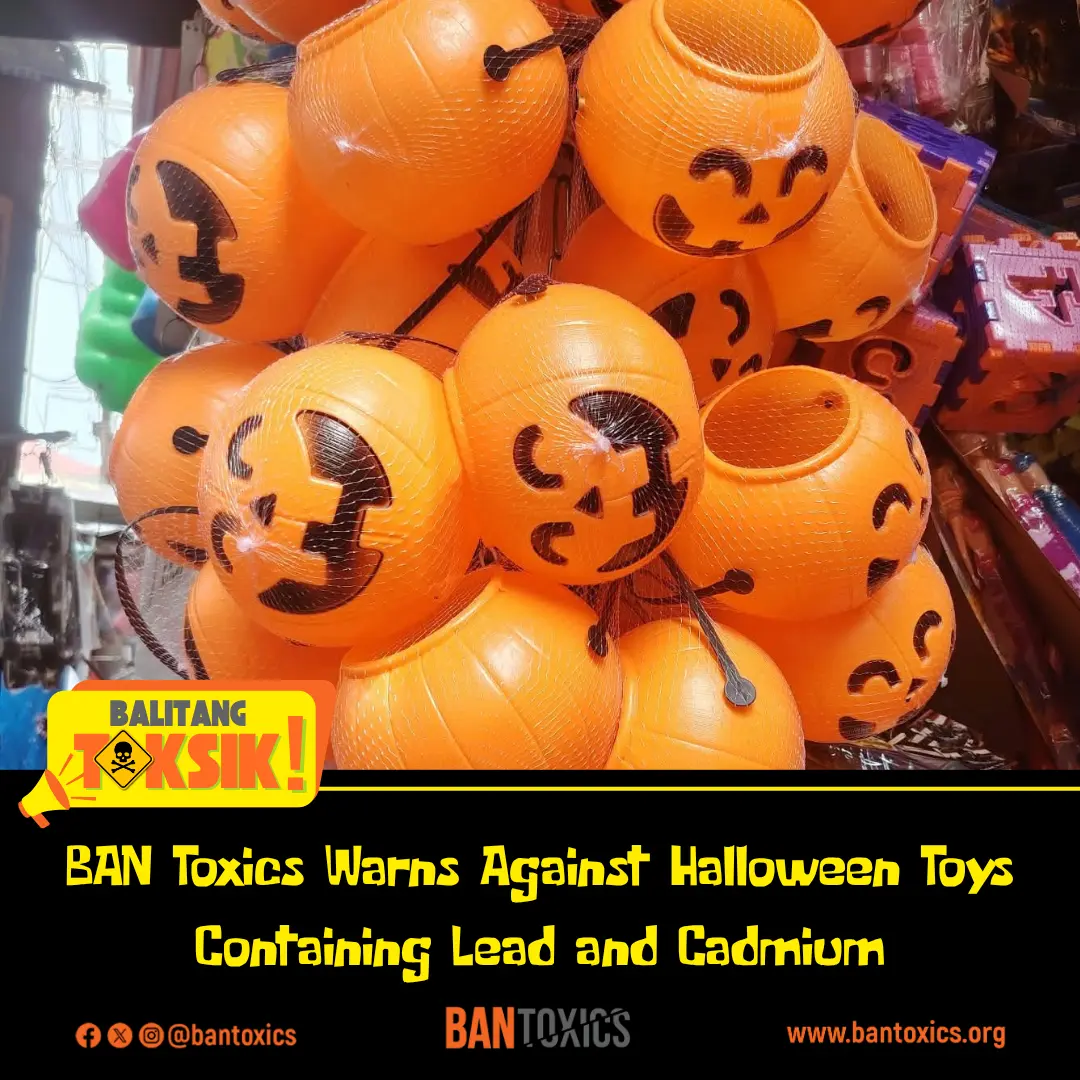
In a recent market monitoring activity, the group documented stores selling various Halloween toys and costumes, including pumpkin trick-or-treat toys, scary masks, and other Halloween costumes.
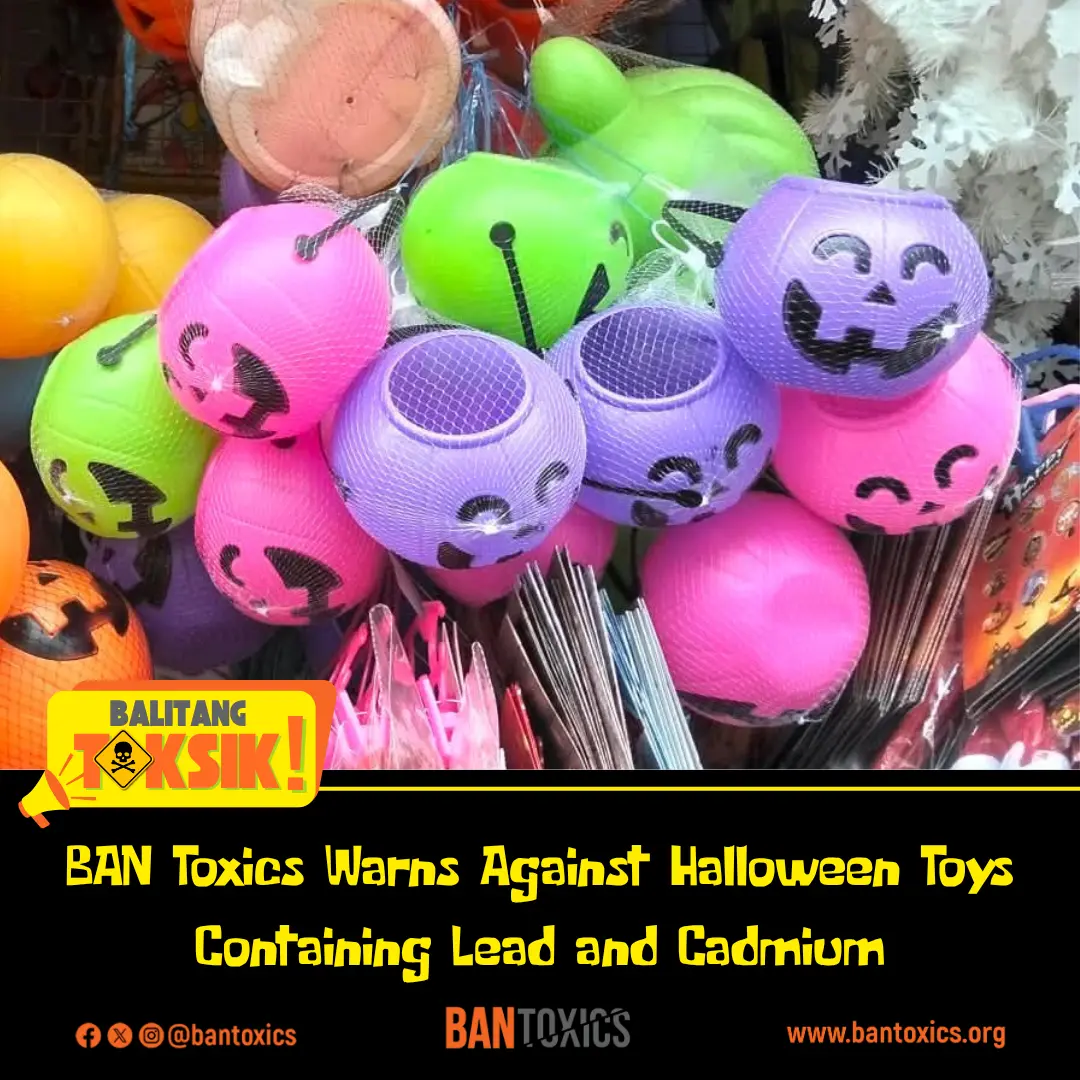
The group purchased samples of kiddie Halloween items and subjected them to chemical screening using a Vanta C Series HH XRF Analyzer. Results showed lead content of up to 1,130 parts per million (ppm) and cadmium levels of up to 160 ppm. Furthermore, all the kiddie Halloween items failed to meet the existing product labeling standards mandated by RA 10620, or the Toy and Game Safety Labeling Act of 2013, making them potentially unsuitable for children.
“Toxic chemicals such as lead and cadmium are ‘scary’ to the health and well-being of children,” said Thony Dizon, Advocacy and Campaign Officer of BAN Toxics. “Manufacturers and importers of these toys should comply with existing Philippine safety standards on chemical content and product labeling, which are mandatory to protect children from toxic exposure.”
The use of lead in the production and sale of toys is strictly prohibited under the DENR DAO 2013-24, or the Chemical Control Order for Lead and Lead Compounds.
The WHO factsheet on lead poisoning, meanwhile, states: “Children who survive severe lead poisoning may be left with permanent intellectual disability and behavioural disorders. At lower levels of exposure that cause no obvious symptoms, lead is now known to produce a spectrum of injury across multiple body systems. In particular, lead can affect children’s brain development, resulting in reduced intelligence quotient (IQ), behavioural changes such as reduced attention span and increased antisocial behaviour, and reduced educational attainment.”
Cadmium, on the other hand, is known to have toxic effects on the kidneys, skeletal system, and respiratory system. Long-term exposure can also increase the risk of cancer, as cadmium and its compounds are classified as human carcinogens.
Republic Act 10620 mandates toy manufacturers to comply with labeling requirements for toy packaging. These include the License to Operate (LTO) number issued by the Food and Drug Administration (FDA), age grading, cautionary statements/warnings, instructional literature, manufacturer’s markings with the complete name and address of the local company, and the item model/Stock Keeping Unit (SKU) number.
BAN Toxics urges enforcement agencies, such as the FDA and local government units (LGUs), to conduct post-market surveillance and confiscate unlabeled and unnotified toys and child care articles (TCCA), such as kiddie Halloween products, in the market.
“Preventing the spread of unsafe children’s products in the market should be the core action not just of a single agency but a concerted effort by all stakeholders, including local government units and the general public,” the group added.
With the Halloween season underway, BAN Toxics advises the public to celebrate in a toxic-free and eco-friendly way with the following three simple tips:
- REUSE or MAKE-YOUR-OWN. Instead of buying new decorations or costumes, reuse old ones. You can also engage in arts and crafts by using household items and old clothes to make your own. However, be sure to avoid face paints that may contain toxic chemicals.
- BUY FROM ESTABLISHED STORES. If you need to buy, opt for products that are properly labeled and notified by regulatory agencies, such as the FDA and DTI, to ensure safety and compliance with health and environmental standards.
- AVOID SINGLE-USE PLASTICS. Minimize your environmental impact by steering clear of decorations, costumes, or party supplies made from single-use plastics. Opt for sustainable, reusable alternatives or biodegradable options to reduce plastic waste.
###
Media contact:
Thony Dizon, Advocacy and Campaign Officer, BAN Toxics