
World Pressenza
Those Who Do Not Learn From Their Mistakes Tend To Make Them Again
by Delma Danitza Bacarreza* Finding someone to blame in order to make sense of the underlying problems does not mean finding a solution. When crises recur, the players are much the same, yet we never
English (original) ·Read in Deutsch ⇄
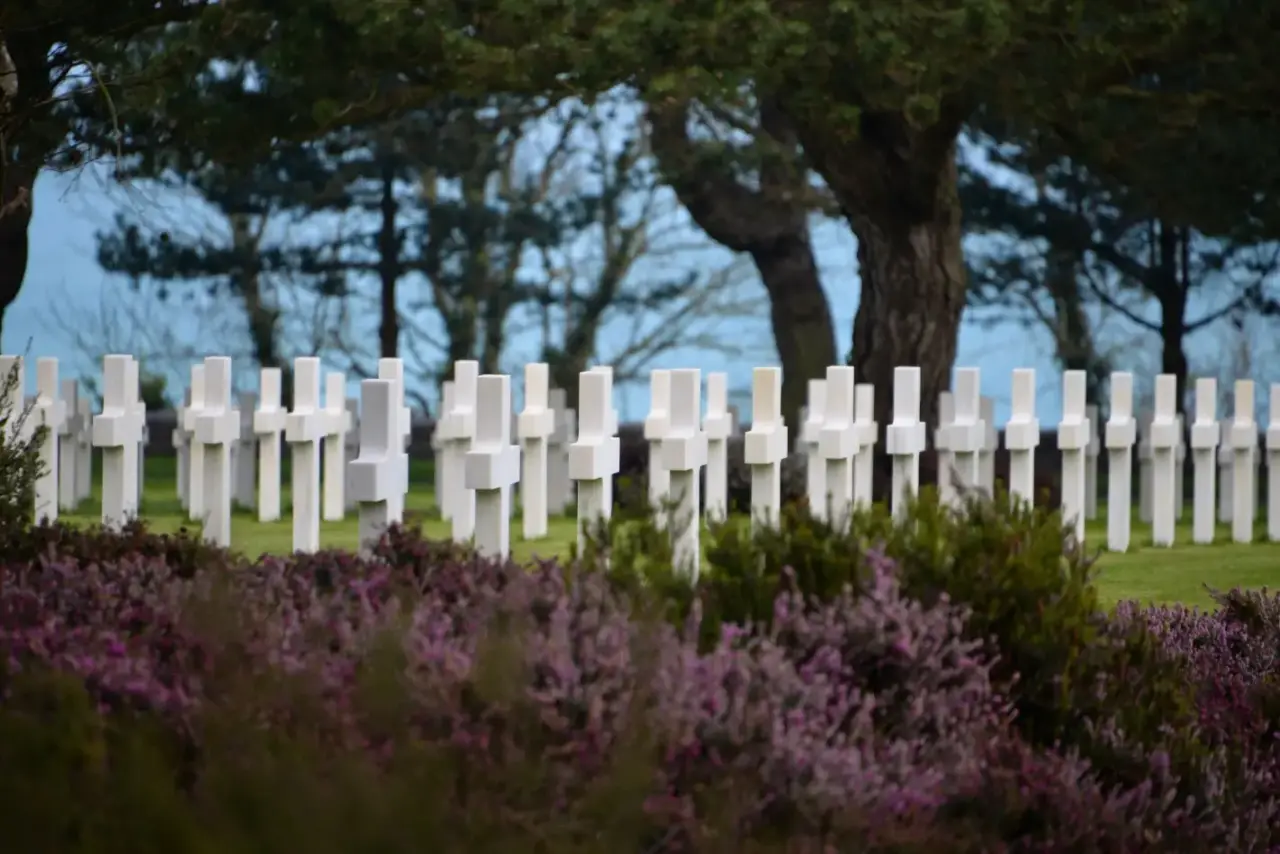
Finding someone to blame in order to make sense of the underlying problems does not mean finding a solution. When crises recur, the players are much the same, yet we never learn from our past.
It seems like many years ago that the second war ended. I was just thinking about it today while I was reading that Alexandre Solange had passed away, called by the BBC, one of the last heroes of the French Resistance who died at the age of 104.
Reading that article with her declarations and stories, I feel really close to how the people fought for their freedom and built a resistance against German occupation. However, there is something else that nobody is thinking or considering: how it actually happened. It all began with far-right parties which initially seemed harmless but harbored hatred and racism, and which later became what we know today as Nazism.
Driven by rhetoric of racial supremacy, they mistreated and killed a social and ethnic group.
Don’t you see something very similar happening right now with migrants? Today, most far-right speeches follow the same old script, built around the idea that migrants are stealing jobs and taking opportunities away from native people.
At the moment, the local council in the town where I live is facing many problems precisely because the politicians in power are divided by their own personal interests. Of course, this is human nature, but the problem is that, because of these conflicts, far-right parties are growing ever stronger, as many of their supporters are convinced, given the chaos and confusion all around, that these parties represent the future of politics in Italy; and the worst thing is that this is nothing new in Europe.
The population remains increasingly divided: on the one hand, there are people who are fed up with the many other problems that are taking hold, such as healthcare, energy prices and inflation, and this makes them indifferent to politics, because they feel that nothing will change. That is why I think Meloni is still in government, ruling over a divided people with confused ideas who are very weary.
And another part of the population is furious. This anger drives them to constantly seek a way to vent their frustrations, the constant feeling of being deceived or taken for a ride, as the saying goes, and this is where the malicious politician steps in to exploit this anger, finding someone to blame for the problems caused; in this case, let’s take foreigners, they are the preferred target given their vulnerability.
We see how, in the rhetoric of nationalist parties, the blame for problems is always placed on migrants, just as Trump did in many of his speeches and actions during the early years of his term, with the creation of ICE and the countless human rights violations they continue to commit. But here it would seem that something is changing, given that the mid-term elections confirmed this approach backfired on them, and the public is beginning to realize that problems are not solved by sending foreigners away.
But I believe the real problem is that we are forgetting what our society has already been through. It seems that nobody remembers that the greatest crisis of the past began following periods of crisis and anger, when a nationalist leader started making speeches in which he claimed that ‘the others’ were the problem, and people, driven by anger, chose to follow him, as if a pattern had been established that appears to resemble what is happening right now in various parts of Europe. If we really read or listen to the speeches of many of today’s politicians, we can recognize the same words and the same ideas that were circulating before the Second World War. We are not reflecting enough on the real causes of the war, nor on how difficult it was for people to survive that period.
Reading about Solange Alexandre is useful because it helps us to remember; the problem, in my view, with today’s society is that it forgets and does nothing to remember, because those who remember their mistakes well are unlikely to repeat them, whereas those who do not remember are very likely to keep making the same mistakes over and over again.
*International Relations Specialist with a strong interest in social and civicjournalism, focusing on the political, economic, and social transformations shaping Europe