
World Pressenza
Peru: 100 days into the new Fujimorist administration, the verdict ranges from fair to poor
The first 100 days of the Fujimorist administration—this time led by Keiko Fujimori—have passed, and the public has already rated its performance as fair (47%) or poor (38%). Furthermore, 51% of the p
English (original) ·Read in Deutsch ⇄
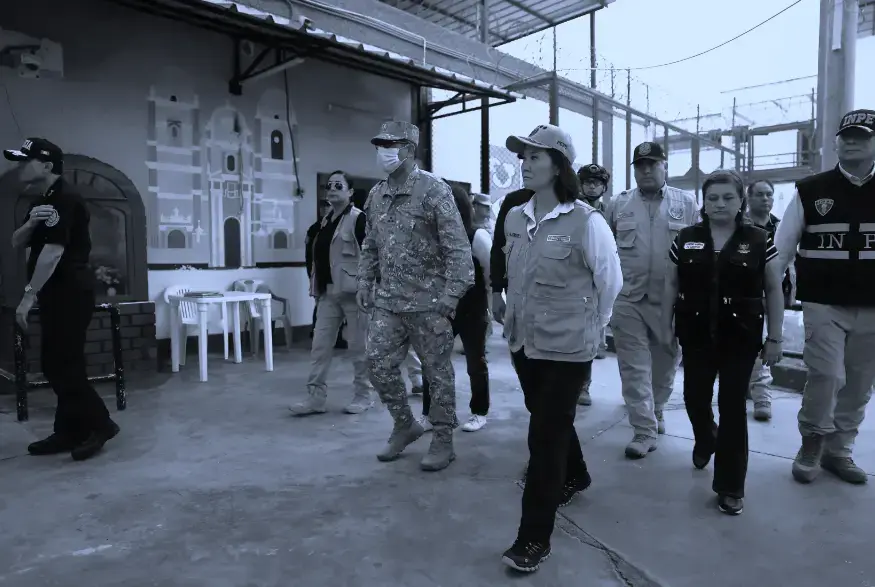
The first 100 days of the Fujimorist administration—this time led by Keiko Fujimori—have passed, and the public has already rated its performance as “fair” (47%) or “poor” (38%). Furthermore, 51% of the population believes the administration lacks the capacity to govern, according to a recent opinion poll. What criteria is the public using to reach this assessment, which has left the executive branch in such a precarious position?
To begin with, the government responded sluggishly to the El Niño phenomenon, which is already wreaking havoc in the north of the country. The government became mired in a debate over a request for special legislative powers, claiming it could not act without them—even though it was clear to the nation that these powers were not limited to addressing El Niño. As a result, valuable time was lost. Now, with El Niño already underway, will emergency declarations and the work being carried out in critical areas be enough?
There has also been a lack of efficiency in addressing public insecurity. Murders of ordinary, working-class people continue, while the president focuses on issues like the removal of transmission antennas or visits El Salvador to promote policies that are ill-suited to the reality in Peru. Moreover, the country is currently experiencing a persistent political-military media campaign, reminiscent of the style used during her father’s administration. Are we heading back toward an arms race?
Another area where regression is being noted is the fight against corruption. Investigative teams handling landmark corruption cases—such as the Lava Jato scandal—have been dismantled. Laws have been enacted that absolve military personnel accused of human rights violations of any responsibility; and, more recently, cases involving crimes against humanity—crucial to the defense of human rights—are being closed. Furthermore, in addition to the use of “smokescreens” via traditional media, campaigns are being waged to disqualify individuals perceived as opposition figures; meanwhile, the separation of powers has been further weakened in an attempt to concentrate all authority within the Senate.
The executive branch is in a precarious position. Today’s population is no longer the same as it was in the 1990s and 2000s; people are now fully informed thanks to information technology, and their experience with previous administrations has sharpened their political instincts. Today, the public demands a government capable of addressing urgent socioeconomic problems and steering the country toward sustainable development, all within the framework of human rights. That is the task at hand.