
Climate Pressenza
EcoWaste Coalition Urges Enforcement of Standardized Ecological Solid Waste Management Systems in Cemeteries to Prevent and Reduce Undas Garbage
02 November 2026, Quezon City. The EcoWaste Coalition, an advocate for a zero-waste and toxics-free society, called on local government units and cemetery administrators to strictly enforce systematic
English (original) ·Read in Deutsch ⇄
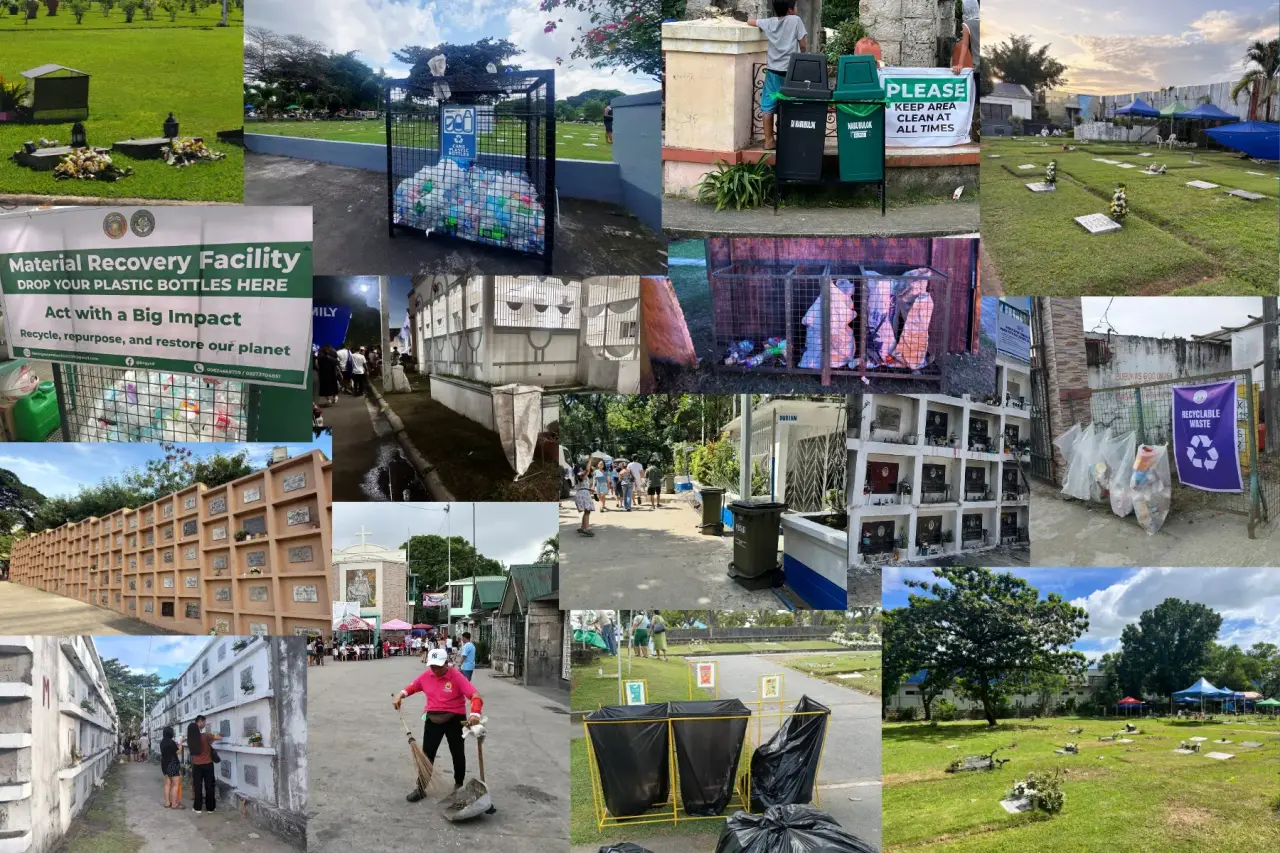
02 November 2026, Quezon City. The EcoWaste Coalition, an advocate for a zero-waste and toxics-free society, called on local government units and cemetery administrators to strictly enforce systematic ecological solid waste management (ESWM), highlighting the stark contrast in waste practices observed across cemeteries during this year’s Undas, an important Philippine tradition and holiday held every November 1 (All Saints’ Day) and November 2 (All Souls’ Day) to remember and give their respect and honor to deceased family members and loved ones.
“While we commend cemeteries that have stepped up with structured waste hubs and community-led recycling efforts, the lack of uniform waste management systems in many burial grounds remains a glaring issue,” said Ochie Tolentino, Zero Waste Campaigner of the EcoWaste Coalition. “Waste management during Undas should not be a hit-or-miss affair depending on where your loved ones are buried. Every cemetery must be equipped with facilities compliant with RA 9003, or the ESWM Act of 2000.”
The group issued the statement after its annual Undas waste monitoring, conducted from October 31 to November 2, across 30 public and private cemeteries in Bataan, Bulacan, Cavite, Laguna, Metro Manila, Pampanga, and Rizal.
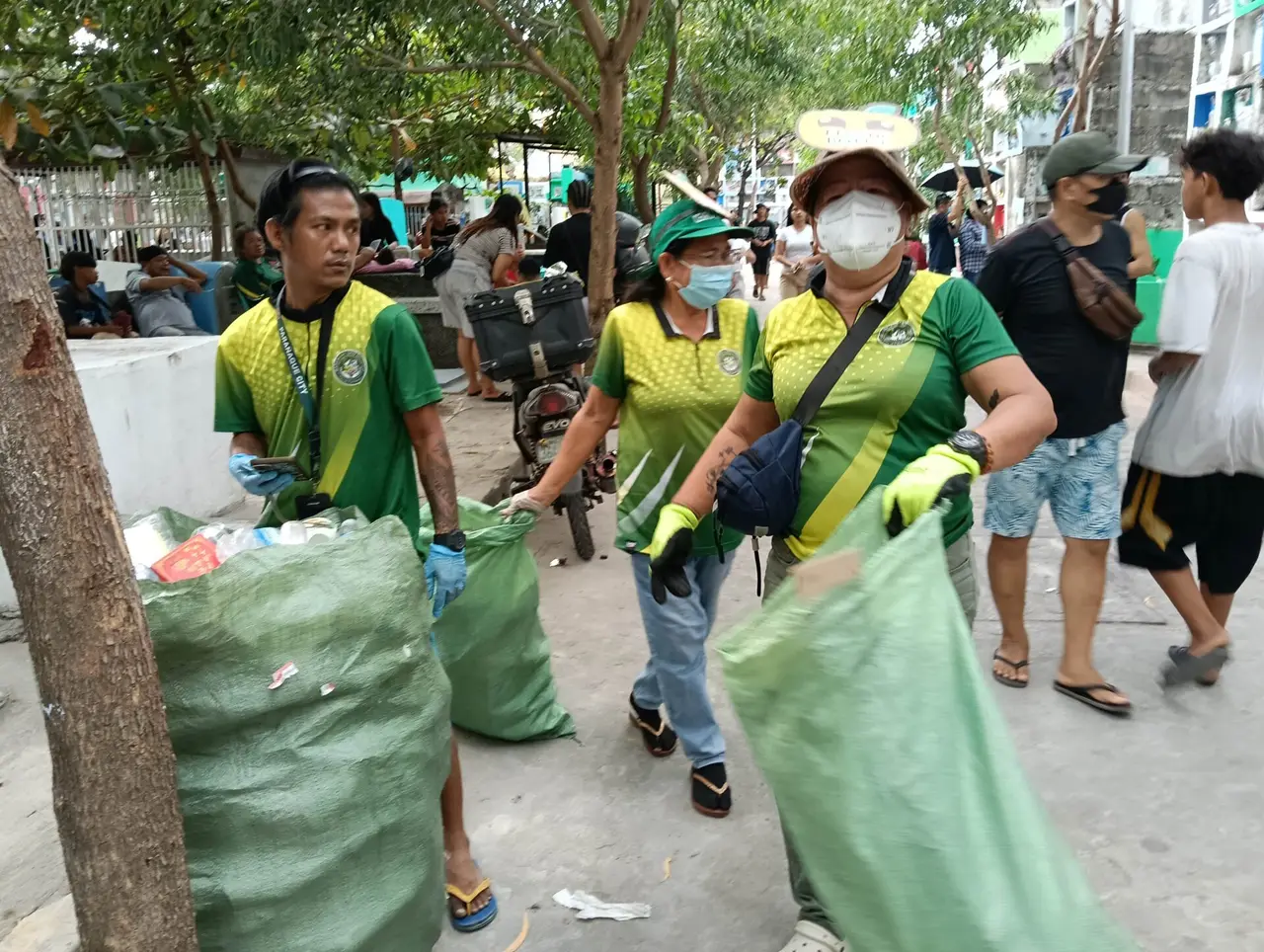
Unlike previous years, when open littering was the main concern, Basura Patrollers observed improved cleanliness in several cemeteries, with visitors increasingly bringing their own trash bags, security personnel restricting vendors outside cemetery gates, and local waste and sanitation workers consistently sweeping common areas.
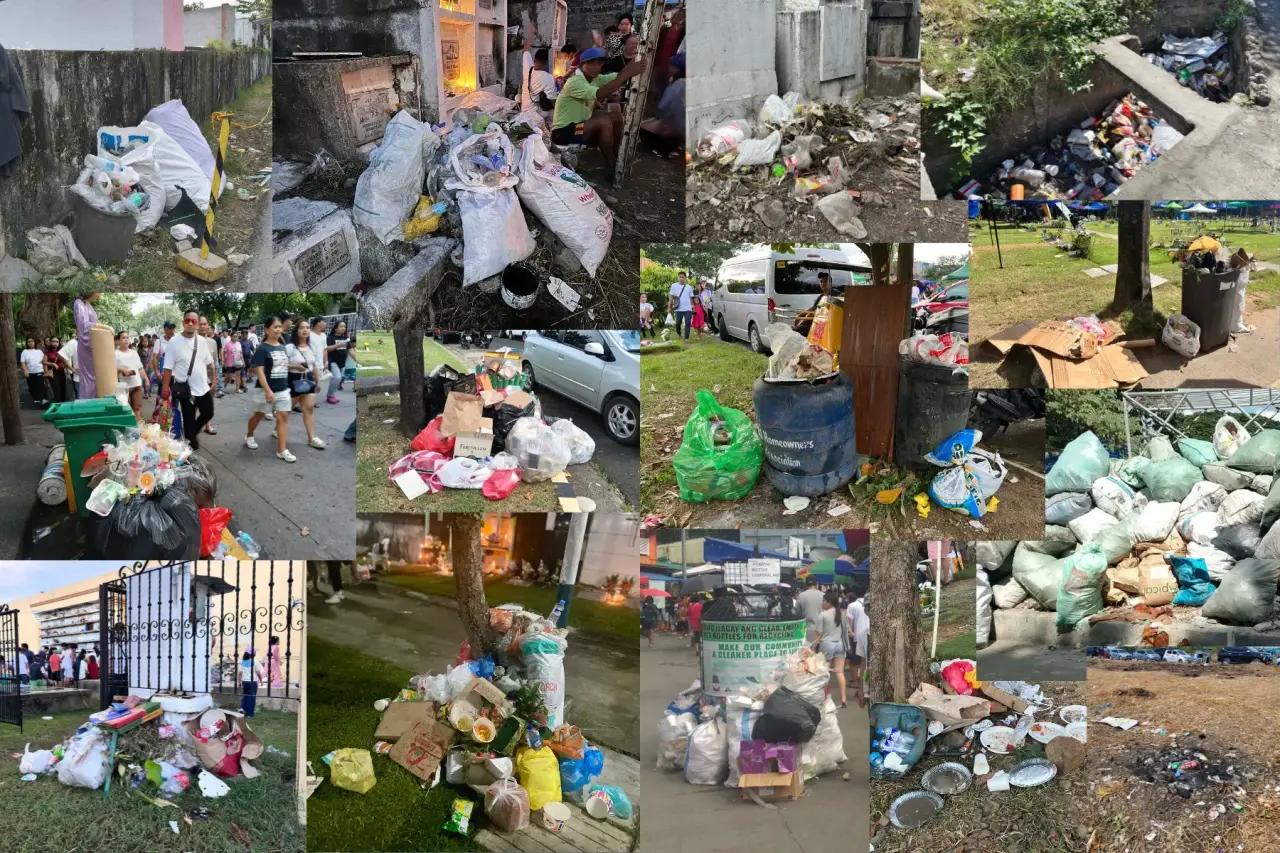
However, the group pointed out that clean pathways do not necessarily translate to ESWM, as single-use plastic packaging (SUP) and PET bottles still dominated the collected trash. “It’s plastic galore in many cemeteries, with SUPs highly visible in overflowing trash bags, bins, and heaps.”
“In several sites, we witnessed commendable best practices. In La Loma Catholic Cemetery, for instance, the management established designated collection hubs with wired metal bins spaced 10 meters apart, complete with clear signage and material-recovery points for PET bottles and aluminum cans,” Tolentino shared. “We also saw inspiring community action, such as local women’s associations managing waste collection tents inside the grounds to patiently recover recyclables.”
In stark contrast, patrollers documented serious operational gaps in smaller and less-resourced cemeteries. In some places, no waste bins were provided, forcing sweepers and visitors to pile unsegregated trash along sidewalks, under trees, or worse, discard it down nearby ravines while waiting for city and municipal garbage collection trucks.
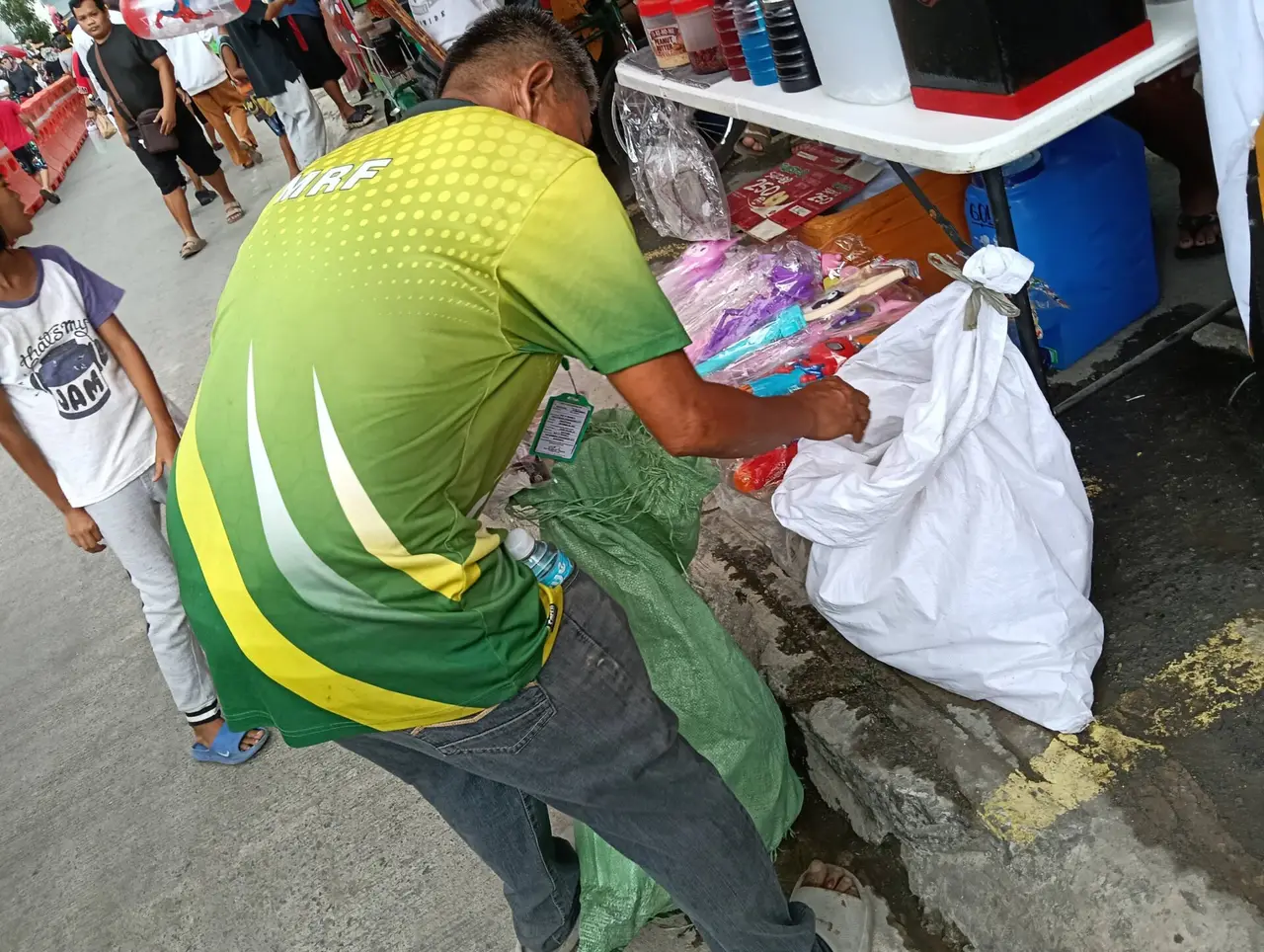
According to the EcoWaste Coalition, sweeping trash into temporary piles or relying purely on end-of-day truck collection violates the core spirit of R.A. 9003, which mandates source reduction, segregation, and resource recovery.
“It is unacceptable that in this day and age, some cemeteries still resort to dumping garbage along roadside curbs or near natural landforms due to a complete lack of basic ESWM systems,” the Coalition emphasized. “Even when littering decreases, piling mixed waste without sorting leads to cross-contamination, rendering recyclable materials useless and overfilling our landfills.”
To bridge this gap, the EcoWaste Coalition urged LGUs to replicate successful cemetery ESWM models by installing standardized segregation hubs, partnering with local informal waste sectors and women’s organizations for resource recovery, and enforcing policies to prevent and reduce Undas waste and pollution across all public and private burial sites, including enforcing bans on SUPs, littering, smoking, and vaping.
For this year’s Undas monitoring, the group’s Basura Patrollers visited the following resting places in Bataan (Abucay Public Cemetery, Calaguiman Public Cemetery, Samal Public Cemetery), Bulacan (Garden of Peace, Good Samaritan Memorial Garden, Taal Public Cemetery), Cavite (Carmona Public Cemetery, Sanctuario de Carmona, Greenhaven Memorial Gardens, Saint John Memorial Park), Laguna (Holy Family Cemetery, Rizal Memorial Park Cemetery, Roman Catholic Cemetery – Calamba), Pampanga (Floridablanca Public Cemetery), and Rizal (Sto. Rosario Memorial Park – Taytay, Capilpil Cemetery – San Mateo Rizal, St. Clement Catholic Cemetery, Sympathy Chapel and Memorial Park, Taytay Memorial Garden).
In Metro Manila, the group monitored Caloocan City (La Loma Catholic Cemetery), Makati City (Manila South Cemetery), Manila City (Manila North Cemetery, Manila North Green Park), Parañaque City (Himlayang Palanyag, Loyola Memorial Park, Manila Memorial Park), Pasay City (Pasay City Public Cemetery), Pasig City (Pasig City Cemetery), and Quezon City (Recuerdo Memorial Garden – Payatas, Bagbag Public Cemetery).