
Politics · Pressenza · · 2h
Bangladeshi Government Commit to Transform Primary Health Care Through Midwifery
English (original) · Read in Deutsch ⇄
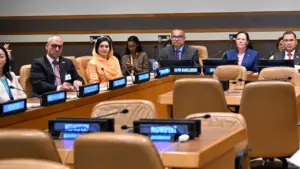
NEW YORK, 24 September 2026 – The Governments of Bangladesh and Sweden, in partnership with UNFPA, the United Nations Population Fund, reaffirmed their collective commitment to strengthening the role of midwives in primary health care and expanding access to quality sexual and reproductive health and maternal and newborn care at an event on the margins of the 81st Session of the United Nations General Assembly. The event, entitled “From Commitment to Action: Integrating Midwifery into Primary Health Care to End Preventable Maternal and Newborn Deaths,” also highlighted Bangladesh’s recent commitment to strengthening its health workforce by creating 25,000 midwifery posts, underscoring the importance of midwives in saving lives.
The discussions brought together government leaders, including H.E. Prime Minister of Bangladesh Tarique Rahman, H.E. Dr. Zubaida Rahman, First Lady of Bangladesh, cardiologist and Vice President of Ziaur Rahman Foundation, H.E. Ms. Maria Malmer Stenergard, Minister of Foreign Affairs of Sweden, and senior representatives from United Nations agencies, civil society organizations and development partners. Participants shared experiences and lessons learned on midwifery education, deployment, governance and financing, and explored opportunities for sustained investment in the health workforce.
“Every woman should have access to a skilled professional midwife as part of her primary health care team, close to where she lives. For Bangladesh, this means deploying midwives nationwide, strengthening communities, health services and referral pathways, and connecting citizens through a modern digital health system. Together these steps will help us build a healthy, thriving Bangladesh and this is how we move from commitment to action”, stated H.E. Prime Minister of Bangladesh Tarique Rahman highlighting Bangladesh’s healthcare transformation.
Placing qualified midwives within primary health care teams can help expand access to essential sexual and reproductive health services and contribute to reducing preventable maternal and newborn deaths, particularly when midwives are supported by effective referral systems, adequate resources and enabling policies.
Sweden reaffirmed its commitment to advancing sexual and reproductive health and rights and to strengthening health systems and health workforce.
“Investing in midwives is not only an investment in health. It is an investment in dignity, equality, opportunity and our common future. It means safer pregnancies. Safer births. More mothers and newborns surviving and thriving. Midwives save lives. Let’s continue to invest in them,” said H.E. Ms. Maria Malmer Stenergard, Minister of Foreign Affairs of Sweden.
UNFPA welcomed Bangladesh’s commitment to creating and deploying 25,000 professional midwifery posts across its primary health care system. Bangladesh is a champion of the UNFPA Midwifery Accelerator initiative, which seeks to strengthen political commitment and investment in midwifery. Over 50 countries have joined the initiative and have developed Maternal and Newborn Health Acceleration Plans, with dozens actively coordinating priority actions through 2030.
“Midwives bring hope, life, and vital care to women when they need it most. Amid a critical global health worker shortage, Bangladesh’s investment in midwives is an investment in humanity. When we equip and empower these frontline heroes, we build a safer, healthier world for every mother and child,” said UNFPA Executive Director Ms. Diene Keita.
Countries participating at the event, including Midwifery Accelerator countries Indonesia, Mexico, Nepal, Sierra Leone, Slovenia, and Thailand, shared commitments and actions to strengthen midwifery and primary health care.
Sierra Leone announced its commitment to recruit 3,000 additional midwives by 2030. Ethiopia highlighted plans to strengthen the role of midwives within its health care extension system, while Nepal underscored the importance of strengthening frontline health workers as part of efforts to build climate resilient health systems.
Development, philanthropic and private sector partners, including the United Kingdom, the Gates Foundation, and Laerdal Global Health, also highlighted the urgent need to accelerate global midwifery coverage.
Together, these policy and financial commitments reaffirmed a shared dedication to investing in midwives by strengthening regulatory frameworks and increasing funding for midwifery infrastructure; educating, deploying, and retaining midwives through high-quality standards and safe, protected workplaces; and advocating for empowered midwife leadership within ministries and amplifying women’s voices in health governance.
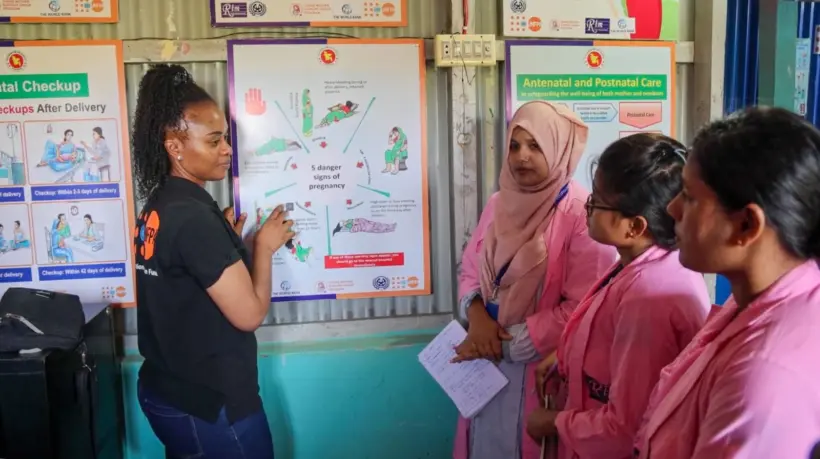
Photo: UNFPA
Read the full story at the source
Source: Pressenza