
Germany Perspektive Online
According to reporting: SEK probably wanted to monitor Radio Bremen
According to a report in a regional magazine, the management of the Bremen special operations command is said to have monitored the television station Radio Bremen in order to obtain information from whistleblowers. The One
Deutsch (original) ·Auto-translated to English
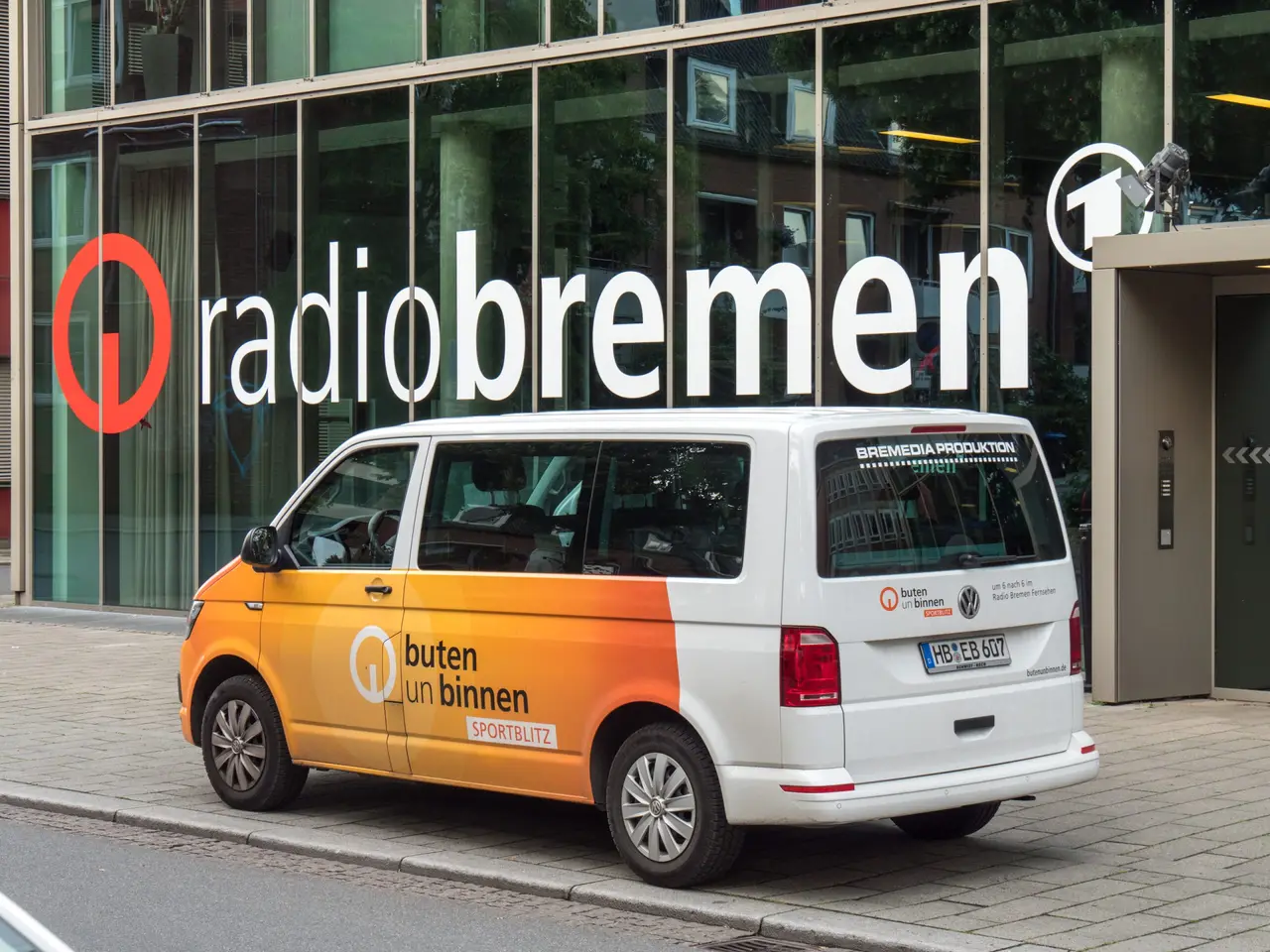
According to a report in a regional magazine, the management of the Bremen special operations command is said to have monitored the television station Radio Bremen in order to obtain information from whistleblowers. The intervention is part of the federal and global restrictions on freedom of the press.
The regional magazine “buten un binnen” of the public broadcaster Radio Bremen reported on the Bremen special operations command (SEK) in February 2026. Thereportdiscussed the suspension of the SEK's permanent on-call service in the state. The magazine learned from internal security circles that the police leadership abolished the reliable on-call service because the payment became too expensive. The police did not initially make the abolition public.
But now I publish the change in the on-call status of the SEK of the Bremen police. Normally, the elite unit is available around the clock and “ensures security”. They are called in for dangerous operations such as hostage situations or terrorist attacks. Bremen has three SEK operational groups.
On-call duty means that the SEK officers are available and ready for action at regular intervals after work for eight hours. One hour of this is paid. The regulation was called “one-for-eight compensation”. There were doubts about the regulation as it could potentially violate rulings by the European Court of Justice. After a review, Police Chief Dirk Fasse suspended the permanent on-call service on October 1, 2025.
The new regulation stipulates that the SEK groups are alerted on a voluntary basis and that they are deployed voluntarily. In addition, the remuneration is eliminated. The change caused a lot of discontent among the ranks of civil servants because “the full strength of the unit would no longer be guaranteed”. At least that wayclaimedit's police officers.
Witch hunt within our own ranks
The Magazinedescribes, what happened in the unit after the release. Several internal police informantsreportedtowards buten and within a search for the “traitors” within their own ranks. The SEK management is said to have tried to locate the whistleblowers. They also spoke of “terrorists” who had passed on information without permission.
The management also threatened criminal and disciplinary proceedings for betrayal of secrets and the dissolution of the unit. In “interrogation-like individual conversations,” officers were questioned, put under pressure and confronted with false allegations.
Civil servants are also said to have been removed from duty afterwards. Others left the unit “of their own volition.” The staff council is now also involved. The so-called witch hunt by the leadership created a “climate of mistrust and bitterness,” according to the whistleblowers.
Radio Bremen monitored
After the internal witch hunt, the leadership also tried to monitor and spy on Radio Bremen. An official is said to have used his personal contacts to spy on reporter Hauke Hirsinger. They apparently wanted to find out who passed on the information to the station for the television report in February. In theopinionfrom Radio Bremen, the station declared that the attempt failed.
Bremen police commissioner Sermin Riedel commented on the accusation when asked by Radio Bremen. Riedel had heard about it, but she couldn't say anything more. When asked whether further investigations were being carried out, she replied: “Of course”. The German Police Union Bremendemandedcomprehensive, independent and transparent information. Freedom of the press and the protection of journalistic sources must be respected, the union said.
Search of the time ordered: Block process endangers freedom of the press
Information protection at risk
Attacks on the press and media have become more and more frequent in recent months and years. The media runs the risk of experiencing repression, particularly when reporting critically on the state and the police. The Hamburg regional court only approved one in Octobersearchthe editorial rooms of the time. Journalists conducted interviews that could be relevant in the “block process”. The State Criminal Police Office was allowed to examine the premises for evidence.
Freedom of the press and, above all, the protection of informants are fundamental aspects of reporting. Source protection is intended to protect informants and whistleblowers from repression and to ensure communication with journalists. If this protection is attacked or lost, it will become more difficult to obtain internal information and report on non-public matters. These insights are often central to reporting, as this information would otherwise not be made public.
Reporters Without Borders: Report shows increasing restrictions on press freedom worldwide
Freedom of the press is threatened worldwide
But it is not only in Germany that freedom of the press is being further restricted: around the world we can observe how the legal framework for journalism is continuing to deteriorate. In a ranking ofFreedom of the pressIn 2026 by Reporters Without Borders, this trend can be observed statistically. The ranking examines the state of press freedom in 180 countries and territories monitored. For the first time since the survey was launched, more than half of all countries fall into the bottom two categories of “difficult” and “very serious”.
Especially in war zones, journalistic work and sometimes journalists themselves are attacked. A current example of this isEva andAhmed. The two journalists traveled to the Kurdish self-government of Rojava in January. There, the Syrian interim government, with support from Germany and Türkiye, attacked self-government. They wanted to document these attacks before they were abducted and captured in Ar-Raqqa on January 1st. Eva is now free again and reports about her captivity, but Ahmed remains kidnapped in a Turkish prison.
The postAccording to reporting: SEK probably wanted to monitor Radio Bremenappeared firstperspective.