
World · Middle East Eye · · 1h
Gaza aid delay causes chronic shortage of medical supplies, WHO says
English (original) · Read in Deutsch ⇄
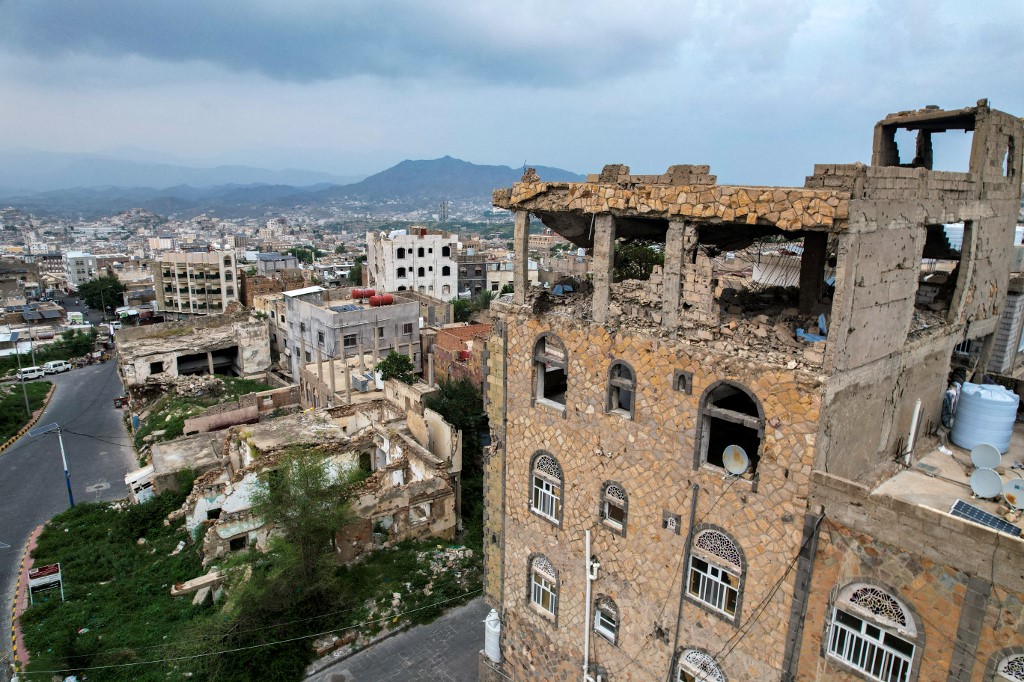
Gaza aid delay causes chronic shortage of medical supplies, WHO says
Getting humanitarian aid through Israel into Gaza is layered with "delay after delay", the World Health Organisation said Friday, as it decried "chronic shortages" of medical supplies.
Reinhilde Van de Weerdt, the WHO's representative in the Palestinian territories, said the health situation in the Gaza Strip "remains utterly dire", with none of its hospitals fully functional.
"Not enough humanitarian aid is entering Gaza, and definitely not enough to allow for a meaningful expansion and restoration of health services," she told reporters in Geneva, speaking from Jerusalem.
She said Israel's approval system for medical and other humanitarian supplies was proving a major bottleneck.
"It is laborious, time-consuming, with no guaranteed results," she said.
Based on the WHO's latest analysis, large volumes of medical supplies wait for clearance for a median of 74 days, said Van de Weerdt, adding that if it is not, "than we start that lengthy, cumbersome process all over again".
She added that the approval system kept changing, with new regulations introduced.
Van de Weerdt said standard health kits used worldwide had the lowest approval rate, while X-ray machines, sterilisation equipment and spare parts for CT scans and other essential machinery "get rejected regularly".
"In just the last six months alone, one shipment of prosthetics and assistive devices was rejected four separate times," she said.
However, medicines move "relatively well", with almost 87 percent approved and one percent rejected, she added.
"It's not one single blockage. It's a system, layered with delay after delay... and on the other side of every one of these delays is a patient who is waiting," she said.
"We need the unimpeded and predicable entry of humanitarian and health supplies into Gaza, at scale.
Report by AFP
Read the full story at the source
Source: Middle East Eye