
Climate Green Left (Australia)
Climate change: ‘An intensifying global health emergency’
According to the 2026 global report of the Lancet Countdown on Health and Climate Change, “climate change is increasingly affecting health and threatening people’s survival worldwide, and the window o
English (original) ·Read in Deutsch ⇄
It is now 11 years since the world’s governments signed the Paris Agreement, promising to keep global warming below 1.5°C. Despite some marginal improvements, the 1.5°C target is now out of reach, atmospheric CO
As a result, “climate change is increasingly affecting health and threatening people’s survival worldwide, and the window of opportunity to avoid a potentially catastrophic future is rapidly closing.”
That’s a major conclusion of the 2026 global report of the Lancet Countdown on Health and Climate Change, a global research project created in 2016 to track progress of the Paris Agreement, and to produce evidence to inform a health-protective response to climate change. Some 146 multidisciplinary researchers from more than 30 countries contributed to this year’s report, which warns that “action remains grossly insufficient,” and urges the World Health Organization “to formally recognise and address climate change as a global health emergency”.
“Climate change has become a chronic and rapidly worsening global health emergency, with the heaviest burdens falling on those least able to cope with and adapt to these changes. Together, they point to the urgent need for an unprecedented and cross-sectorial response to protect the lives and health of people in every country. Rapidly reducing greenhouse gas emissions and adapting to the heating that is no longer avoidable is now essential to secure a liveable future.”
Anyone who calls that alarmism should consider this: between 2006-15 and 2016-23, annual heat-related deaths rose by 36%. In 2016-23, nearly 3 million people died from excess heat caused by climate change. In 2023 alone, heat was associated with a record-high 710,000 estimated deaths globally, with 71.5% of them attributed to climate change.
• Globally, 83% of the heatwave days to which people were exposed in 2025 would not have been expected to occur without climate change.
• 120 countries experienced a rise in the number of days of at least very high wildfire risk in 2016–25 compared with 2006–15
• In 2016–25, 41.7% of global land area was affected by at least 1 month of extreme drought each year, a rise of 13.3% compared with 2006–15.
• In 2016–25, 17.2% of the global land area was exposed to very extreme precipitation, up from 14·8% in 2006–15.
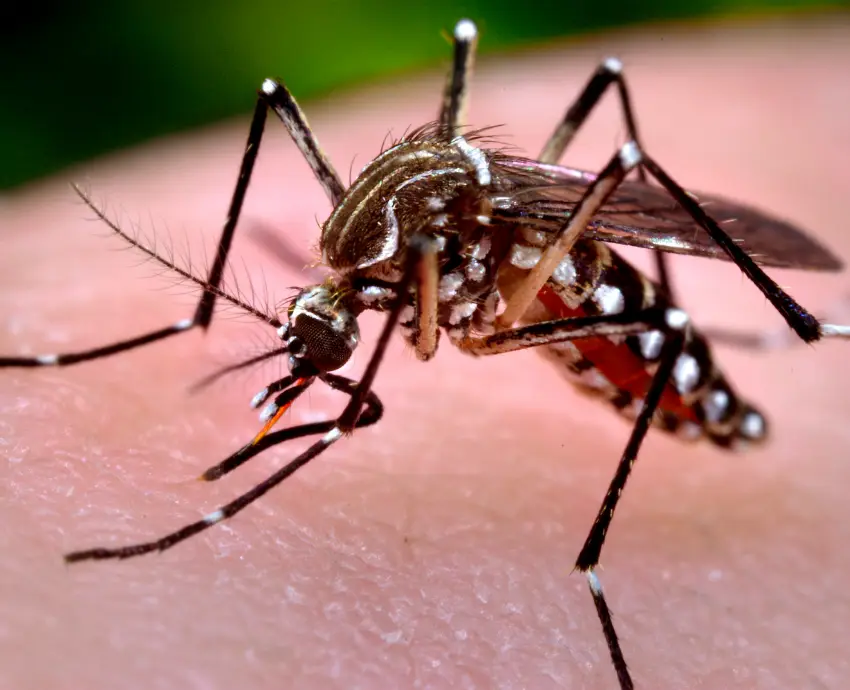
• Between 1981–90 and 2016–25, the areas where Aedes albopictus mosquitoes could transmit dengue fever rose by more than 24%.
• In 2025, a record-high 92,672 km of coastline was environmentally suitable for Vibrio [cholera] transmission, a 20% rise compared with 2006–15.
The definitive reports on climate change are the massive documents produced by the Intergovernmental Panel on Climate Change (IPCC), but they are only released after much political pressure and editing. As a result, they have been, shall we say, notably reticent when it comes to assigning social and political responsibility for climate change.
The Lancet Countdown, by contrast, is written, edited, and published by scientific experts on climate and health. They do not need to respect corporate interests and they do not. They are explicit: “The tightening grip of fossil fuels pushing the world towards an increasingly dangerous future.”
“Despite the crucial need to transition away from fossil fuels to protect health and lives, vested interests continue to obstruct progress. Lobbying and disinformation by fossil fuel interests and political allies continue to weaken support for action, countering the growing body of scientific literature on the links between health and climate change.
“Addressing climate change requires transforming global socioeconomic systems. These changes threaten incumbent political and economic interests, prompting organised obstruction by fossil fuel interests and conservative political allies. The fossil fuel industry’s use of disinformation — the intentional spread of misinformation — to obstruct climate action and defend harmful products, renders it a commercial determinant of health.
“By the early 1980s, major oil companies had accurately projected so-called potentially catastrophic global warming and internally recognised the need to replace fossil fuels. In response, they waged an ongoing multi-decade, multibillion-dollar disinformation, propaganda and lobbying campaign to prevent fossil fuel phase-out by confusing the public and policy makers about climate change and its solutions.”
The authors of the 2026 Lancet Countdown report go out of their way to identify positive developments, such as increased use of renewable energy sources, but overall, its tone is pessimistic. “With further heating now unavoidable, these risks will continue to worsen, increasing the risk of multiple compounding climate impacts, and pushing the world towards an increasingly dangerous future.”
In response to what it correctly calls “an intensifying global health emergency”, the report proposes a range of “urgent, system-wide changes that support robust mitigation and effective adaptation”. The most important of these is a rapid phase out of fossil fuels, including an immediate ban on all further fossil fuel exploration and new exploitation in all countries.”
The report concludes: “Delivering these actions and meeting these targets is no longer just the greatest public health opportunity of the century — it may be the only hope for a safe future.”